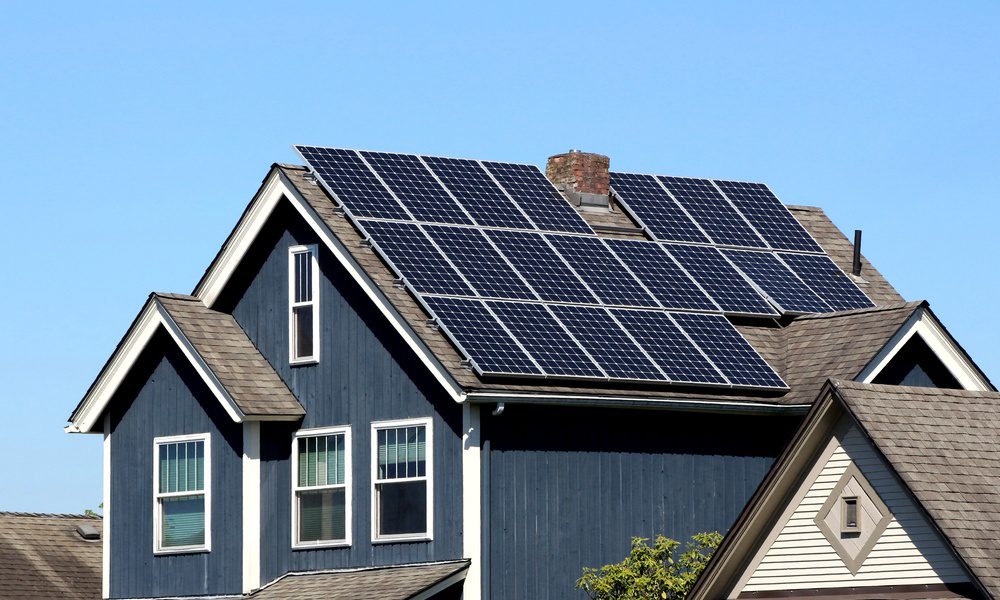
Learning how to choose the best solar panels for your home helps you compare options with confidence and select a system that fits your property, energy needs, and expectations. The right panels should complement your roof, perform reliably in your climate, and provide worthwhile energy production over many years. Instead of focusing on one specification or choosing the least expensive option, consider how several practical factors work together. A thoughtful comparison can help you invest in a solar installation that supports your household and delivers dependable value.
Start With Your Household Energy Needs
Before comparing panel models, review how much electricity your household uses. Past utility bills can reveal seasonal patterns and give you a clearer picture of your annual consumption. A larger household with substantial electricity use may need a bigger system than a smaller home with modest demand. If you expect to purchase an electric vehicle or add energy-intensive appliances, account for that potential increase before sizing your system.
Compare Solar Panel Efficiency
Efficiency indicates the percentage of sunlight a solar module can transform into usable electrical energy. Higher-efficiency panels can produce more power from a limited amount of roof area, which makes them especially useful for homes with smaller usable surfaces. However, the panel with the highest efficiency rating is not automatically the best choice for every homeowner. A moderately efficient model may provide excellent performance when plenty of suitable roof space is available.
Look at Panel Quality and Construction
Solar panels spend years exposed to changing weather, so construction quality deserves careful attention. Strong materials and dependable manufacturing can help panels maintain consistent performance through seasonal temperature changes and other environmental stresses. When comparing products, research the manufacturer’s reputation and the panel’s design. Understanding what makes premium solar panels different can also clarify why some models command higher prices even when their basic specifications appear similar.
Review Performance in Your Climate
Solar panels can generate electricity in many weather conditions, but local climate still influences performance. Homeowners in areas with hot summers should pay attention to how panels respond as temperatures rise. Solar modules generally lose some efficiency when they become very hot, and different models handle those conditions differently. A panel’s temperature coefficient can help indicate how its output may change during high temperatures.
Cold climates bring different considerations. Snow loads and harsh winter conditions can make structural durability particularly important. If your area experiences frequent cloudy weather, ask how proposed panels perform under lower-light conditions. Matching panel characteristics to your regional environment can be more useful than simply choosing the model with the most impressive headline specification.
Examine Product and Performance Warranties
A solar installation represents a long-term home investment, making warranty coverage an important comparison point. Panel manufacturers commonly provide coverage related to the physical product as well as its expected power output over time. Read the terms carefully instead of relying on the length of the warranty alone. Coverage exclusions and claim procedures can influence how useful that protection becomes.
Consider Available Roof Space
Your roof can narrow your panel choices considerably. Chimneys, vents, skylights, and shaded sections may reduce the area available for productive solar placement. Panel dimensions also vary, so the number of modules that fit on a roof does not always correspond directly with their total generating capacity. An installer can create a layout that shows how different panel options would use the available surface.
Roof condition matters just as much as usable space. If your roof will likely need replacement soon, handling that project before solar installation can save complications later. Solar panels have long service lives, so placing them over aging roofing can create unnecessary removal and reinstallation costs. Assessing the roof first helps the entire system make more practical sense.
Balance Upfront Price With Long-Term Value
Price plays a major role in most solar decisions, but comparing quotes solely by the total cost can hide meaningful differences. One proposal may use panels with stronger warranties or better projected output, while another may achieve a lower price through different equipment choices. Ask installers to explain what you receive for the quoted amount and how each system should perform.
Think about value over the anticipated life of the installation. A less expensive panel can still be a smart choice when it offers dependable performance for your conditions. Conversely, paying more can make sense when higher efficiency allows you to meet energy goals within limited roof space. Evaluate what the added cost accomplishes instead of assuming either the cheapest or most expensive system provides the best value.
Separate Solar Facts From Misconceptions
Solar technology attracts plenty of oversimplified claims, which can make comparison shopping harder. Some common myths about solar panels suggest that they only work in hot climates or become useless whenever clouds appear. In reality, sunlight availability matters more than outdoor temperature alone, and panels can continue generating electricity under less-than-perfect skies.
Other misconceptions can create unrealistic expectations about savings or maintenance. Your results depend on your electricity usage and system design, among other property-specific factors. Ask prospective installers to explain projected production in straightforward terms and clarify the assumptions behind their estimates. Reliable guidance should help you understand both the benefits and limitations of the proposed system without promising outcomes that no installer can guarantee.
Evaluate the Solar Installer
Even excellent panels need proper system design and installation. Research installers with relevant experience in residential projects and familiarity with local permitting requirements. Ask how they determine system size and why they recommend certain equipment. Clear answers can reveal whether the company has tailored its proposal to your property or simply offered a standard package.
Pay attention to communication throughout the consultation process. A trustworthy installer should explain technical details in understandable language and give you enough information to compare options thoughtfully. The installer you choose can influence your experience long after the panels begin producing electricity.
Choose a System Built Around Your Home
The best solar system is not necessarily the one with the highest-rated panel or the lowest initial price. It is the system that aligns with your energy use, roof conditions, climate, and long-term priorities. Understanding how to choose the best solar panels for your home means looking beyond marketing claims and evaluating how each option will perform on your specific property. Compare efficiency, construction, warranties, and installer recommendations in context, then choose equipment that supports realistic energy goals. A careful decision today can give you greater confidence in the system you rely on for years to come.