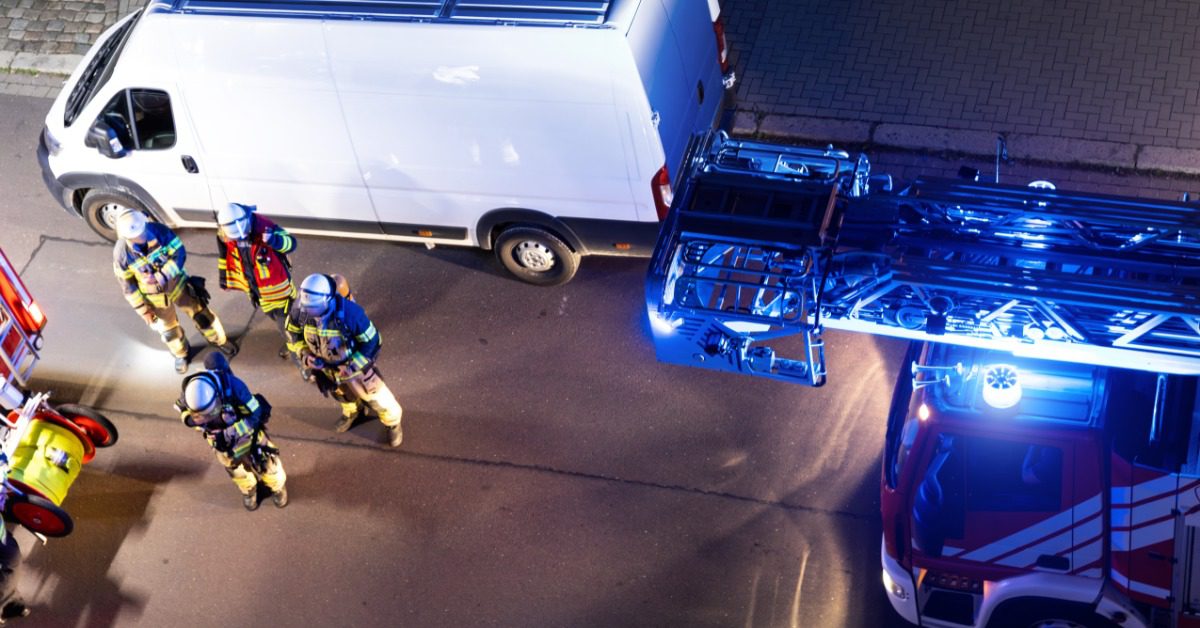
Disaster sites can change fast. A damaged industrial facility, chemical release, flood, fire, or infrastructure failure may expose crews to hazards that aren’t obvious from a quick visual check. Response teams need dependable equipment that helps them assess the scene, protect personnel, communicate across the site, and act with greater confidence. Essential equipment for disaster response teams covers much more than a basic emergency kit; it includes specialized tools built for conditions where routine work practices no longer apply. Let’s discuss equipment options for your organization’s disaster response plans.
Gas Detection Equipment
A disaster can release gases or vapors from damaged pipes, tanks, machinery, utility systems, or chemical containers. Some atmospheric hazards have no obvious visual warning, so personnel can’t rely on sight alone. Portable gas detection equipment gives crews data they can use before entry and throughout work at the site.
The right detector depends on the hazards a team expects to encounter, which is why you should know how to use portable monitors in remote disaster areas. A response crew at an industrial plant may have different detection needs than personnel who enter a commercial garage, agricultural structure, or damaged utility site.
Gas monitors also support decisions about access to affected areas. Teams can use detector readings as part of established safety procedures before personnel move deeper into a site. Continued checks can also alert crews to changes after ventilation, equipment shutdowns, leaks, or other site conditions alter the atmosphere.
Respiratory Protection
Gas detection tells crews more about the atmosphere, but response personnel may also need protection from airborne hazards. Respiratory equipment serves that role when a response plan calls for it. The appropriate type depends on the contaminants, concentrations, work conditions, and procedures established for the incident.
Respiratory protection should fit within a broader safety program rather than act as an isolated piece of gear. Organizations need equipment that matches the hazards identified through their site plans and atmospheric assessments. Crews also need familiarity with the equipment before an emergency occurs, since a disaster site is a poor place for personnel to see critical gear for the first time.
Storage deserves attention as well. Respiratory equipment should remain accessible to authorized personnel and protected from conditions that could affect its readiness. A clear inventory process can help departments identify missing or unavailable gear before crews have to respond.
Protective Suits and Body Protection
Disaster scenes can expose personnel to liquids, dust, debris, chemical residue, and contaminated surfaces. Protective suits create a barrier between personnel and hazards when site procedures call for that level of protection. Suit selection should reflect the substance present, the work crews must perform, and the response plan in place.
Body protection also has to work alongside other personal protective equipment. Gloves, boots, respiratory equipment, eye protection, and head protection may all form part of the same setup. Each component needs to suit the task without creating unnecessary conflicts with the rest of the equipment.
Comfort deserves practical consideration, too. Disaster work can require crews to move through tight spaces, climb over debris, access machinery, or remain on site for extended periods. Protective equipment must support the work as well as the hazard controls established for the scene.
Communication Equipment
A response plan depends on more than personal protective gear. Teams need a dependable way to share site conditions, detector readings, location updates, access restrictions, and changes to the response plan. Radios or other approved communication devices can help supervisors maintain contact with personnel across a large or complex site.
Communication protocols matter just as much as the devices themselves. Crews should know who receives atmospheric data, who has authority over entry decisions, and how personnel report a new hazard. Clear procedures reduce confusion when several contractors, departments, or agencies occupy the same site.
Backup communication methods can also support continuity if the primary system becomes unavailable. A disaster may disrupt power, cellular service, or normal facility infrastructure. Response plans should account for those limitations before an incident puts the system to the test.
Portable Lighting and Power Sources
Poor visibility can turn a difficult response into a far more complicated job. Storm damage, fires, utility failures, and structural incidents can leave interior areas without normal power. Portable lights give crews a better view of walking surfaces, equipment, access routes, labels, and other site details.
Teams may also need portable power for approved equipment. Batteries, chargers, and other power supplies should match the devices included in the response inventory. Spare power sources can prove useful during a long response where crews can’t return to normal facilities between tasks.
Equipment organization is essential when it comes to a disaster response. Lights, batteries, monitors, and communication devices should have designated storage locations so personnel don’t lose time during deployment. A well-organized cache also makes routine inventory checks easier for the department responsible for response gear.
First Aid and Medical Supplies
Even with strong precautions, disaster response can expose personnel to cuts, falls, heat stress, debris, and other physical hazards. First aid supplies give trained personnel resources for immediate care until further medical support becomes available. Kits should reflect the size of the crew, the work environment, and the organization’s emergency procedures.
Accessibility matters during an incident. A kit buried beneath unrelated supplies or stored far from the response area offers little practical value. Teams should establish clear locations for medical supplies and make those locations familiar to personnel before an emergency.
Organizations may also designate personnel with appropriate first aid or medical qualifications. That structure helps crews know where to turn if an injury occurs. The exact medical plan will vary by workplace, so companies should follow applicable requirements and their established safety procedures.
Build a Response Inventory Around Real Hazards
No two disaster sites look exactly alike, so a response inventory should reflect the hazards an organization may realistically face. Infrastructure companies may prepare for utility leaks or confined work areas, and agricultural operations may encounter a different mix of atmospheric hazards. Mechanical and electrical contractors may need equipment that supports work near damaged systems or unfamiliar facilities.
That context makes essential equipment for disaster response teams a matter of thoughtful preparation rather than a generic checklist. All the tools above serve a defined role within a broader response plan. The final selection should match the hazards, personnel, procedures, and work environments involved. Equip yourself with the right gear now to ensure you’re ready for the next incident.