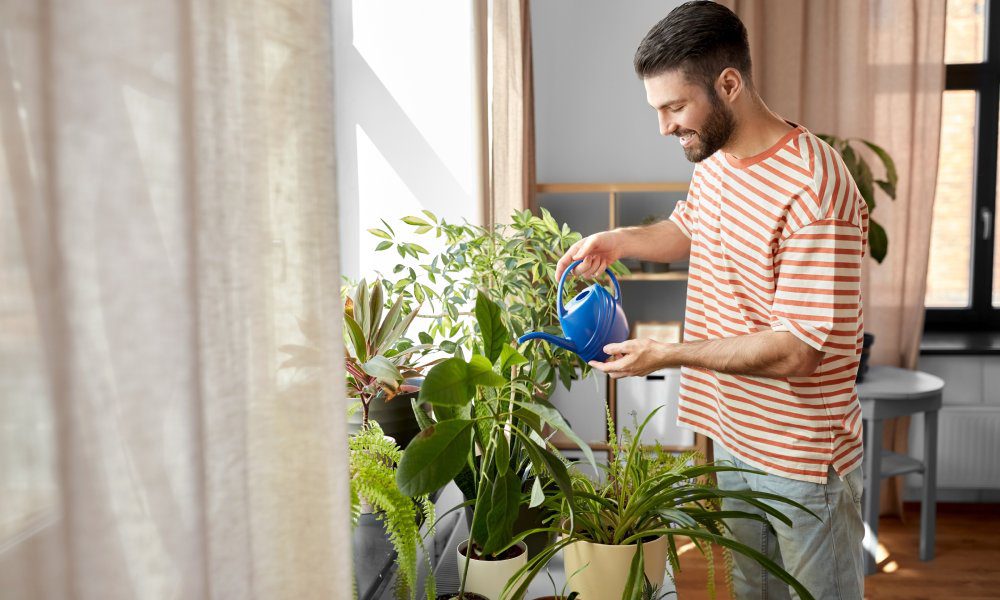
Growing plants indoors transforms your living space into a vibrant, healthy environment while providing the satisfaction of nurturing life year-round. Check out these tips for successfully growing plants indoors to create a thriving garden that brings nature’s beauty into your home.
Choose the Right Plants for Your Space
Selecting appropriate plants is crucial for indoor gardening success. Consider your home’s natural lighting conditions, humidity levels, and available space when making your choices. Snake plants, pothos, and ZZ plants thrive in low-light conditions, making them perfect for rooms with minimal natural sunlight.
For brighter spaces, consider fiddle leaf figs or rubber trees. Research each plant’s specific requirements before bringing them home to ensure they match your environment and care capabilities.
Optimize Your Lighting Conditions
Light is the foundation of plant health, and most indoor environments don’t provide adequate natural light for optimal growth. Assess your space throughout the day to understand light patterns and intensity. South-facing windows typically offer the brightest light, while north-facing windows provide gentler illumination.
If natural light is insufficient, invest in grow lights to supplement what nature provides. You can adjust LED grow lights to provide the specific light spectrum your plants need for healthy growth while saving energy.
Master Proper Watering Techniques
Overwatering is the leading cause of indoor plant death, making proper watering technique essential. Most houseplants prefer the soil to dry out slightly between waterings. Check soil moisture by inserting your finger about an inch into the soil. If it feels dry, it’s time to water.
Water thoroughly until excess drains from the bottom, ensuring the entire root system receives moisture. Different plants have varying water requirements, so learn each species’ preferences and adjust your schedule accordingly.
Maintain Optimal CO₂ Levels
Indoor air circulation and carbon dioxide levels significantly impact plant health and growth rates. Plants absorb CO₂ during photosynthesis, so adequate levels are essential for vigorous growth.
Ensure proper ventilation in your growing areas and consider opening windows regularly to refresh the air. You can measure CO₂ levels for indoor plants using specialized monitors to ensure your plants receive optimal conditions for photosynthesis and healthy development.
Fertilize at the Right Time and Frequency
Indoor plants require nutrients that potted soil loses over time. Feed your plants a balanced, water-soluble fertilizer every 2-4 weeks during their active spring and summer growth period.
Reduce fertilizing frequency during fall and winter when most plants enter a dormant phase and require fewer nutrients. Always dilute fertilizer to half the recommended strength to prevent root burn and never fertilize dry soil or stressed plants.
A thriving indoor garden requires patience and attention to detail, but the rewards are immeasurable. By implementing these tips for successfully growing plants indoors, you’ll develop the confidence and skills needed to cultivate a flourishing green sanctuary in your home.