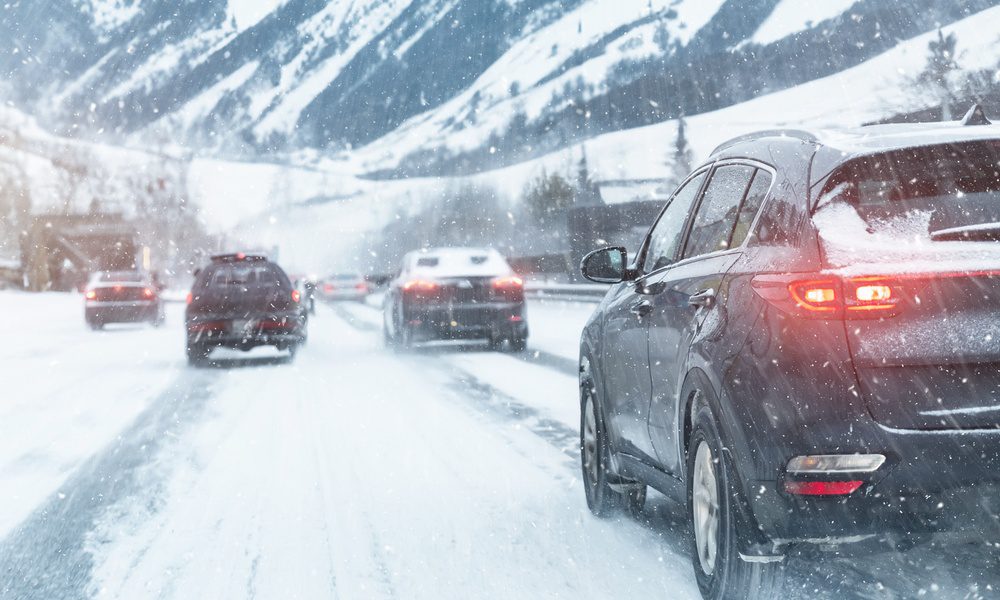
Trading sunshine and mild temperatures for snowy winters can feel like stepping into a completely different world. Maybe you’re relocating for a new job, looking for a change of scenery, or finally making the move to a place you’ve always wanted to call home. Whatever your reason, moving to a colder climate comes with a few surprises that go beyond the weather forecast.
Cold-weather living affects everything from your morning commute to how you maintain your home. The good news? With some preparation and a willingness to adjust, you can make the transition much easier. Here’s what you should know before packing your bags and heading somewhere a little frostier.
Winter Weather Is More Than Just Cold Temperatures
When you’re used to mild winters, it’s easy to focus on the temperature alone. However, living somewhere colder means getting familiar with wind chill, freezing rain, and unpredictable weather patterns. A sunny morning doesn’t necessarily mean you’ll have clear roads by the afternoon.
Different regions also experience different types of winter weather. Some places get frequent light snowfall, while others experience major snowstorms that can disrupt everyday routines. Researching the typical winter conditions in your new area will help you understand what you’re getting into.
Your Wardrobe Will Need an Upgrade
If your current winter wardrobe consists of a hoodie and a lightweight jacket, you’re probably going to need a few additions. Dressing for colder weather is all about choosing clothing that keeps you warm without making you feel like you can barely move.
Learn the Art of Layering
Layering is one of the easiest ways to stay comfortable when temperatures fluctuate throughout the day. Start with a moisture-wicking base layer, add an insulating middle layer, and finish with a weather-resistant outer layer.
This approach also makes transitioning between freezing outdoor temperatures and heated indoor spaces much more manageable. You won’t have to spend your entire workday sweating in a bulky sweater.
Invest in Quality Winter Essentials
A reliable winter coat is important, but don’t overlook your feet and hands. Insulated, waterproof boots with good traction can make snowy sidewalks much less intimidating.
Warm gloves and a hat that covers your ears are also worth purchasing. You don’t necessarily need an expensive wardrobe, but choosing durable items that can handle repeated exposure to winter weather is a smart investment.
Your Vehicle Needs To Be Winter-Ready
Driving in snow and ice is a completely different experience from cruising along dry roads. Even experienced drivers need to adjust their habits when winter conditions arrive.
Before your first winter, have your vehicle inspected to make sure the battery, tires, and heating system are in good condition. Depending on your location, winter tires may be a worthwhile investment because they’re designed to provide better traction in colder conditions.
Give Yourself More Time on the Road
Winter driving often means slower speeds and longer stopping distances. You’ll also need to account for the time it takes to clear snow and ice from your vehicle before leaving.
Keep an emergency kit in your car with warm blankets, a flashlight, and other basic supplies. It’s also a good idea to check road conditions before longer trips, especially when snowstorms are expected.
Moving During Winter Requires Extra Planning
Relocating to a colder climate during winter can introduce challenges you might not encounter during warmer months. Snow-covered driveways, icy sidewalks, and shorter daylight hours can make moving day more complicated than expected.
If your moving date falls between late fall and early spring, it’s worth reviewing some essential winter moving tips for moving in snow and ice. Understanding how to prepare for slippery conditions and potential weather delays can help you avoid unnecessary stress.
Keep Your Moving Schedule Flexible
Winter storms don’t always cooperate with carefully planned schedules. If possible, build a little flexibility into your moving timeline in case weather conditions delay transportation or unloading.
Protect your belongings from moisture during the move, especially electronics and wooden furniture. Clearing walkways before movers arrive can also help make the process safer and more efficient.
Heating Costs Can Change Your Monthly Budget
One expense that catches newcomers off guard is the cost of heating a home through a long winter. Depending on your home’s size, insulation, and heating system, your utility bills could look very different from what you’re used to.
Before relocating, ask about average winter utility expenses for properties you’re considering. You should also account for seasonal purchases like snow removal equipment and additional vehicle maintenance when creating your moving budget—things tend to pop up in the winter.
Your Home Will Need Seasonal Maintenance
Cold climates introduce household responsibilities that might be unfamiliar if you’ve always lived somewhere warm. Frozen pipes, drafty windows, and ice buildup can become expensive problems when left unaddressed.
Prepare Your Home Before Temperatures Drop
Make sure your heating system receives regular maintenance and that your home has adequate insulation. Protecting vulnerable water pipes and sealing air leaks can also help prevent problems during freezing weather.
Understand Snow Removal Responsibilities
If you’re renting, find out whether your landlord handles snow removal. Homeowners should check local requirements for clearing sidewalks and maintaining safe access to their properties.
You’ll also want to purchase a sturdy snow shovel before the first major storm arrives. Waiting until snow is already falling could mean discovering that every nearby store has sold out.
Shorter Days Can Affect Your Routine
Cold weather isn’t the only adjustment you’ll experience. Many northern locations have noticeably shorter daylight hours during winter, which can affect your energy levels and daily habits.
Try taking advantage of natural light whenever possible, especially during lunch breaks or on weekends. Finding indoor hobbies and maintaining a consistent routine can also make the darker months feel more enjoyable.
Winter Activities Can Make the Adjustment Easier
It’s tempting to spend your first winter hiding indoors, but colder climates offer plenty of opportunities for new experiences. Ice skating, skiing, and snowshoeing can turn an otherwise gloomy weekend into something memorable.
You don’t have to become an outdoor adventure enthusiast overnight, either. Visiting cozy cafés, exploring local winter festivals, or simply enjoying a snowy walk can help you appreciate your new surroundings.
Give Yourself Time To Adjust
Moving to a colder climate involves learning new routines, but you don’t have to figure everything out immediately. Your first winter will probably involve a few mistakes, whether that’s forgetting your gloves or underestimating how long it takes to shovel a driveway.
The key is preparing for the practical challenges while staying open to the benefits of your new environment. With the right mindset and a little patience, you might discover that colder weather brings experiences you never knew you’d enjoy.