Everyone thinks they know how to throw things away. Toss it in the trash, and it’s gone, right? Wrong. Many everyday items require special disposal methods to protect the environment and your community. Here are the most common items you’re probably throwing away incorrectly.
Electronics and Batteries
Old phones, laptops, and TVs contain valuable metals such as gold, silver, and copper. These devices also contain toxic materials, including lead and mercury, that can contaminate landfills. The same goes for batteries of all sizes.
Instead of tossing electronics in the trash, take them to an electronics recycling center. Many retailers accept old devices for free. Some manufacturers even offer trade-in programs that give you credit toward new purchases.
Fluorescent Light Bulbs
Those long fluorescent tubes and compact fluorescent bulbs (CFLs) contain small amounts of mercury. When broken in landfills, this mercury can leak into soil and water supplies. Proper disposal of fluorescent light bulbs involves special handling to prevent environmental contamination.
Most home improvement stores accept fluorescent bulbs for recycling. Some municipalities also host hazardous waste collection days specifically for these items.
Paint and Paint Cans
Wet paint is considered hazardous waste because of its chemical composition. Empty paint cans with dried residue can go in regular recycling, but cans with wet paint cannot.
Let leftover paint dry completely by removing the lid and adding cat litter or sawdust. Once hardened, you can dispose of it in regular trash. Better yet, donate unused paint to community theaters, schools, or Habitat for Humanity.
Prescription Medications
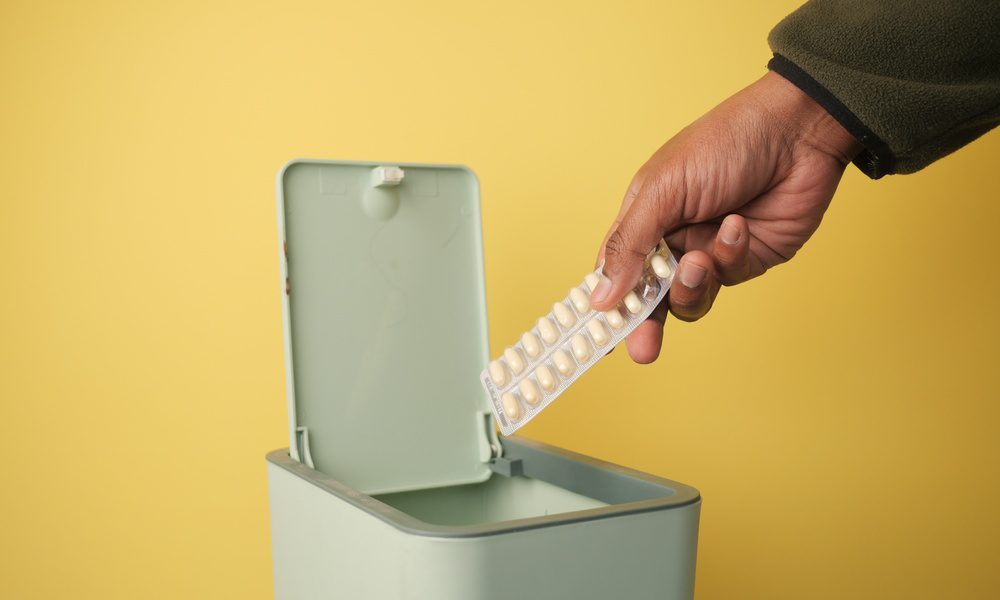
Flushing old medications down the toilet can contaminate water supplies. Throwing them in trash bags puts children and pets at risk if they find them. Plus, improper disposal contributes to prescription drug abuse.
Many pharmacies and police stations host drug take-back events. The DEA also sponsors National Prescription Drug Take Back Days twice yearly. Some pharmacies have permanent drop-boxes for safe medication disposal.
Motor Oil and Car Fluids
Used motor oil, antifreeze, and brake fluid contain chemicals that can poison groundwater for decades. Just one quart of motor oil can contaminate up to 250,000 gallons of water.
Auto parts stores accept used oil and car fluids for recycling. Many quick-lube shops also take these materials. The recycled oil can turn into new motor oil or other petroleum products.
Why Proper Disposal Matters
When these common items are thrown away incorrectly, they end up in landfills, where they can cause serious environmental damage. Heavy metals leach into groundwater. Toxic chemicals contaminate soil. Wildlife suffers from exposure to dangerous substances.
Taking a few extra minutes to dispose of these items properly protects your community and environment. Many recycling options are free and conveniently located. Some even offer incentives such as store credit or cash back.
Next time you’re ready to throw something away, pause and ask yourself if it belongs in regular trash. A quick online search can reveal proper disposal methods in your area. Your future self and the planet will thank you.