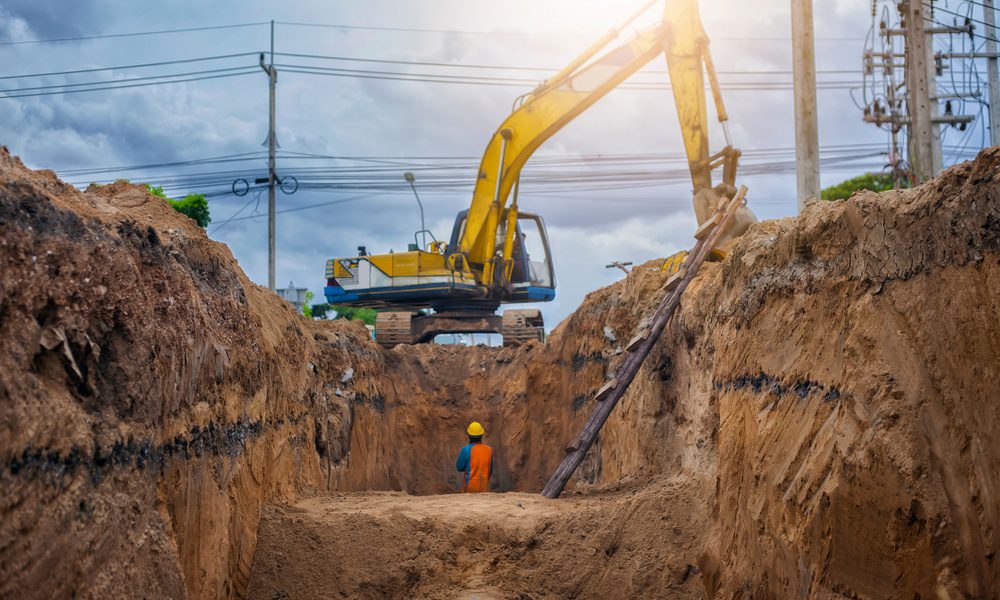
Most people only notice underground work when cones and trucks appear along a road or job site, but by that point, the real challenges have often been present long before any visible activity begins. The unpredictability of underground work stems from what lies beneath the surface, where conditions can shift unexpectedly and without clear warning. Even with careful planning and experienced crews, unexpected changes in soil and environmental factors can quickly alter the pace and direction of a project.
Soil Changes the Plan
The ground rarely behaves consistently across an entire worksite, and this variability is one of the biggest challenges crews face. As digging begins, workers often encounter layers that differ from initial assessments or soil reports. One section may be firm and stable, while another may collapse or shift unexpectedly.
Clay soils can also slow progress because they cling to equipment and change properties with moisture. These unpredictable variations force crews to constantly adapt their methods and adjust their plans as conditions evolve.
Old Utility Lines Create Surprises
Even with detailed maps and historical records, underground utility lines can still present unexpected challenges. Crews frequently discover pipes or conduits that were never documented or are located in places that differ from official records.
An abandoned pipe might cross directly through a planned excavation area, or an active cable could be positioned closer to the surface than anticipated. Each discovery requires careful evaluation and often leads to temporary work stoppages while teams determine how to proceed safely without causing damage.
Water Makes Everything Harder
Water is one of the most disruptive elements in underground work, and its presence can quickly complicate even the most straightforward project. A site that appears dry on the surface may conceal groundwater that begins to seep in once excavation reaches deeper levels.
This moisture weakens the surrounding soil and fills open spaces, making it difficult to maintain a stable work environment. Crews often must implement drainage or pumping solutions before continuing, which can significantly increase the job’s complexity.
Equipment Choices Matter
The selection of equipment plays a critical role in how efficiently and safely underground work is completed. Different soil types, depths, and site conditions require specific tools. While shallow projects may only require basic tools, deeper or more complex excavations demand specialized machinery designed to handle challenging conditions.
Teams spend considerable time selecting the right foundation-drilling equipment to ensure their tools meet the site’s demands, helping them maintain control and avoid unnecessary complications throughout the project.
Careful Planning Reduces Risk
While no amount of preparation can eliminate every surprise, thorough planning helps crews manage uncertainty more effectively. Teams review site history and evaluate access points before any digging begins. They also consider what makes underground work so unpredictable and develop strategies to address potential issues.
This level of preparation helps keep projects moving forward and provides a clearer explanation for delays when they occur, making the presence of cones and construction crews easier for the public to understand.