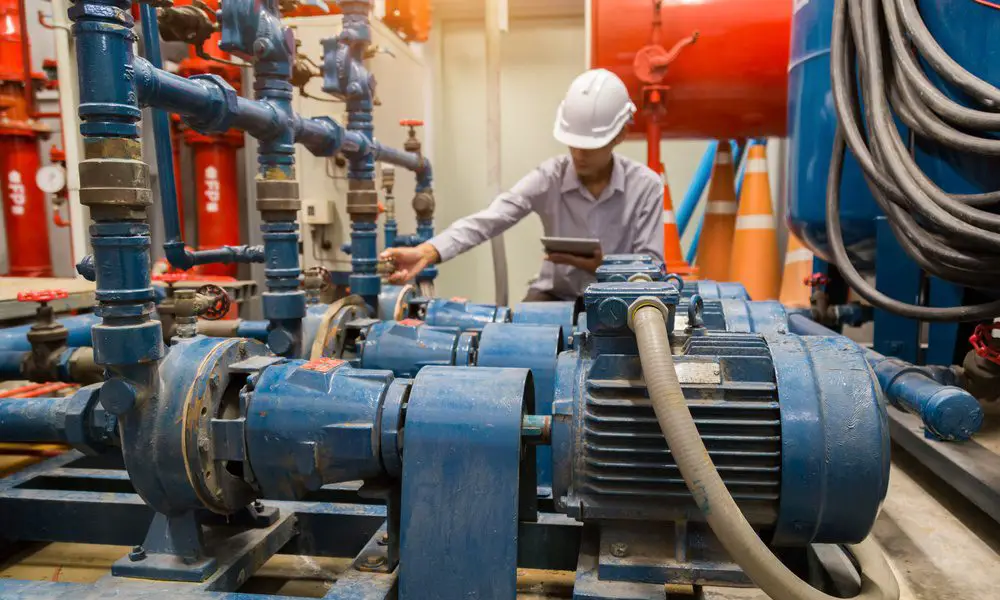
Industrial motors are the workhorses of your operation, but even the toughest equipment can break down. When a motor fails unexpectedly, it can halt production and lead to costly repairs. Catching the early warning signs is key to preventing major shutdowns. Check out these top five signs that lead to industrial motor failure.
1. Overheating
Is your motor running hot to the touch? Overheating is one of the most common and serious indicators of a problem. Several issues, such as poor ventilation, an overloaded motor, or low electrical resistance, can cause excessive heat. If left unchecked, high temperatures will degrade the motor’s internal insulation and bearings, leading to a complete burnout. A good practice is to regularly check the motor’s operating temperature and clean any accumulated dust or debris that could be blocking airflow.
2. Unusual Vibrations
A smooth-running motor is a healthy motor. If you notice any shaking or excessive vibration, it’s a clear red flag. Vibrations often indicate mechanical problems such as misaligned shafts, unbalanced components, or worn bearings. These vibrations create extra stress on the motor and its connected equipment, accelerating wear and tear. Pinpointing the source of the vibration early can save you from a more complex and expensive fix down the road. Addressing these vibrations will not only protect the motor but also improve overall operational stability.
3. Strange Noises
Your ears can be one of your best diagnostic tools. Industrial motors have a consistent operational hum, so you should investigate any new or unusual sounds immediately. A high-pitched squeal often indicates bearing trouble, while a clunk or grind could signal a loose component or a foreign object inside the motor. Similarly, a loud electrical buzzing might indicate issues with the current or the windings. Listening closely to these sounds can help you diagnose the problem’s origin.
4. Reduced Performance
If your motor is struggling to maintain its speed or seems to lack its usual power, it’s a sign that something is amiss. A decline in performance can be subtle at first, but it points to underlying issues that are causing the motor to work harder than it should. This deterioration could be due to electrical problems, internal wear, or an increased load. You can reduce downtime with predictive motor diagnosis and analysis, which helps track performance metrics over time and alerts you to gradual declines before they become critical failures.
5. Visible Damage
Sometimes, the most obvious signs are the easiest to overlook. Regularly inspect your motors for physical damage. Look for cracks in the housing, corrosion, or visible wear on belts, pulleys, and shafts. Physical damage can compromise the motor’s structural integrity and expose internal components to contaminants, leading to a swift breakdown. A quick visual check can be your first line of defense against unexpected failures.
By staying vigilant for these five industrial motor failure signs, you can shift from a reactive to a proactive maintenance approach. Regular inspections and early intervention are your best strategies for keeping your operations running smoothly and avoiding the high costs of unplanned downtime. If you notice any of these signs, it’s time to take a closer look and schedule maintenance to keep your motors in peak condition.