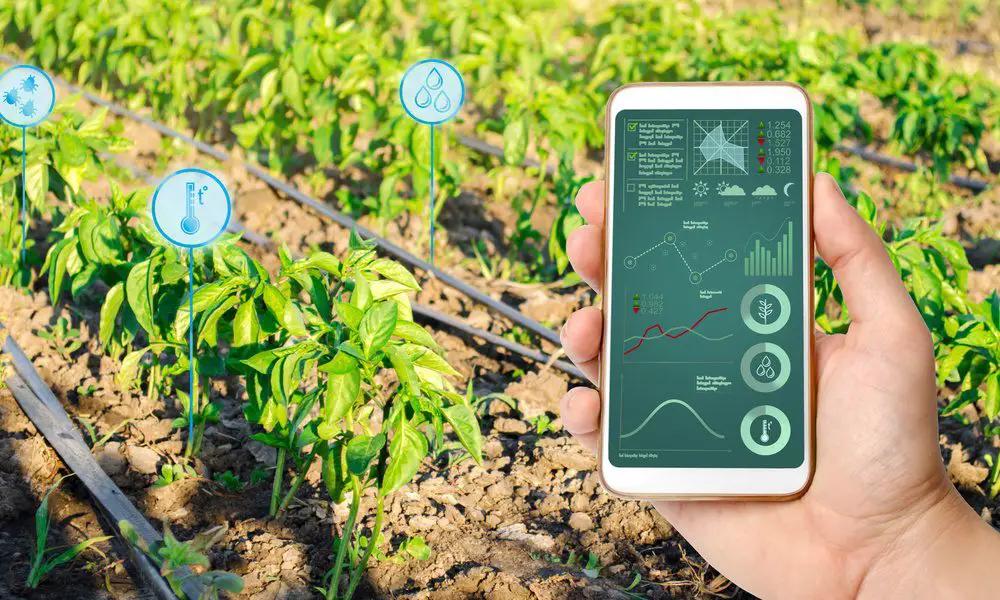
Smart irrigation uses technology to optimize water use, helping farms increase crop yields while conserving resources. By automating watering schedules based on real-time data, farmers can improve efficiency and reduce operational costs. If you’re interested in the latest ways to optimize your farming business, keep reading to learn how to implement a smart irrigation system on your farm.
Assess Your Irrigation Needs
Begin by evaluating your current irrigation methods. Analyze water usage data, crop health, and soil conditions to pinpoint inefficiencies. Identifying these areas for improvement is the first step toward a more effective watering strategy.
This assessment will help you understand your future system requirements and how they can help you improve. It provides the foundation for selecting the right technology to enhance your farm’s productivity.
Select the Right Technology
Researching available smart irrigation technologies is crucial. Options include weather-based controllers that adjust watering based on local forecasts and soil moisture sensors that provide real-time data on soil hydration levels. Consider each system’s features and how they align with your farm’s unique needs.
Choosing the appropriate technology will help you overcome common irrigation challenges. This decision is vital for ensuring your system delivers the intended benefits of water conservation and improved crop health.
Installation and Setup
Proper installation is essential for the system to function correctly. Start by placing sensors and controllers in strategic locations across your fields to ensure accurate data collection. Follow the manufacturer’s instructions carefully to connect all components.
After the physical installation, configure the system settings. Program watering schedules, set moisture level thresholds, and connect the system to any monitoring software. This setup phase ensures the technology operates according to your specific agricultural needs.
Monitor and Adjust
Once your system is active, regular monitoring is necessary to ensure optimal performance. Routinely check sensor readings and system alerts to verify your system distributes water evenly. Consistent monitoring helps catch potential issues before they impact your crops.
Use the data gathered to make informed adjustments to your irrigation schedules. Fine-tuning settings based on crop performance and changing weather conditions maximizes water efficiency and supports healthier plant growth.
A Path to Smarter Farming
Implementing a smart irrigation system offers significant advantages, from reducing water waste to enhancing crop yields. With the adoption of smart irrigation technology, farming joins the many industries transformed by technology.
By carefully assessing your needs, selecting the right technology, and maintaining the system, you can achieve greater operational efficiency. Taking these steps positions your farm for a more sustainable and profitable future.