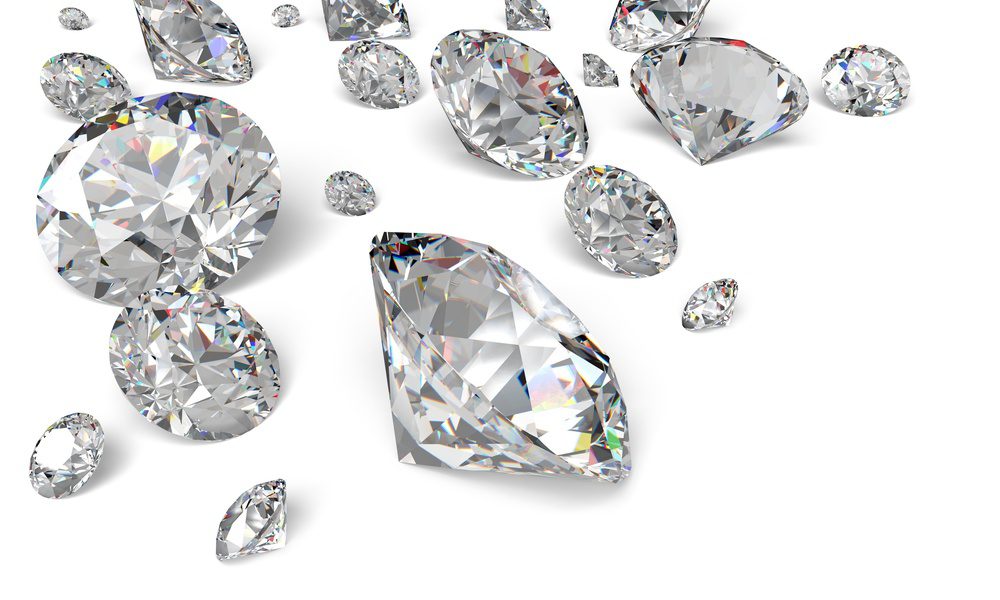
Choosing a diamond ring starts with style, but the stone’s origin can shape the buying decision just as much as its appearance. Natural and lab-grown diamonds share many visual and physical qualities, yet they differ in formation, availability, pricing, and long-term considerations. Understanding those distinctions can help shoppers decide which option better reflects their priorities. When comparing natural vs. lab-grown diamond rings, consider more than the initial sparkle. Think about how each diamond reaches the market, what influences its price, and how its origin may affect the meaning you attach to the finished ring.
Natural Diamonds Form Over Immense Periods
Extreme temperatures and tremendous pressure beneath the Earth’s surface gradually create natural diamonds over vast periods of time. Geological processes bring diamond-bearing material closer to the surface, where mining operations can recover the stones. Their natural formation takes place over an extraordinary span of time, which contributes to the sense of rarity that many buyers associate with them.
For some shoppers, that ancient origin carries emotional significance. A natural diamond can feel like a piece of geological history transformed into a personal symbol. People who value traditional engagement jewelry may also appreciate the longstanding connection between mined diamonds and proposals, anniversaries, or heirloom pieces.
Understanding the journey of natural mined diamonds can also give buyers greater context for the work involved in bringing these stones from the ground to a jewelry case. Mining, sorting, cutting, and polishing all contribute to the path of a natural stone before a jeweler sets it into a ring.
Lab-Grown Diamonds Develop in Controlled Environments
Lab-grown diamonds form through technological processes that recreate conditions associated with natural diamond growth. Instead of developing underground, they grow in specialized facilities where technicians control the environment. These laboratory-created stones share the fundamental composition of natural diamonds and produce a similar level of brilliance.
This manufacturing process makes lab-grown diamonds available without relying on geological deposits. Producers can create diamond material on a much shorter timeline, which changes the supply dynamics surrounding these stones. Their controlled origin also appeals to shoppers who like the idea of combining advanced technology with fine jewelry.
A lab-grown diamond does not automatically look artificial. Well-cut stones can offer the bright sparkle and clear appearance people expect from diamond jewelry. Specialized testing may be necessary to distinguish a lab-grown stone from a natural one because visual inspection alone may not reveal its origin.
Appearance Depends Heavily on Quality
Origin does not determine beauty by itself. Both diamond types can vary considerably in cut quality, clarity, color, and carat weight. These characteristics influence how a stone reflects light and how it looks once mounted in a ring. A carefully cut lab-grown diamond may appear more brilliant than a poorly cut natural stone, and the reverse can also occur.
Buyers should therefore evaluate individual diamonds instead of assuming one origin guarantees better visual quality. Cut deserves particular attention because proportions and craftsmanship strongly influence sparkle. Color and clarity can also affect appearance, although personal preference often determines how noticeable those differences feel.
Price Differences Can Shape the Decision
Budget often creates one of the clearest distinctions between natural and lab-grown options. Lab-grown diamonds generally cost less than comparable natural stones because their production does not depend on the limited supply of naturally formed diamond material. This difference can allow buyers to choose a larger stone or allocate more of the budget toward the setting.
Natural diamonds usually command higher prices because their supply depends on geological availability and mining. Buyers may consider that premium worthwhile if natural origin matters to them. Others may prefer to prioritize size or design and find that a lab-grown stone gives them greater flexibility.
Resale and Long-Term Value Differ
Buyers sometimes assume that any diamond ring will retain a predictable percentage of its purchase price. However, resale value can vary based on market demand, stone characteristics, condition, and the sales channel. Buyers should not automatically treat either diamond type as a financial investment.
Natural diamonds generally have a more established resale market. Their limited natural supply and long history in the jewelry industry support continued demand, although resale prices may still fall below original retail prices. Lab-grown diamonds face different market conditions because production capacity and technology can influence future pricing.
Ethical Priorities Require Individual Research
Some buyers approach diamond origin through environmental or social concerns. Buyers may assume that one category offers a clear ethical advantage, but each diamond’s production and sourcing practices determine its impact. Mining practices vary, and laboratory production also requires energy and industrial resources.
Shoppers who care strongly about these issues can ask jewelers for information about sourcing practices or manufacturing methods. Transparent documentation can provide more useful guidance than broad assumptions about either category. Buyers can then compare those details with their own priorities.
The same principle applies to certification and disclosure. Reputable sellers should clearly identify a diamond as natural or lab-grown and provide appropriate grading information when available. Clear labeling helps buyers understand exactly what they are purchasing and makes comparisons easier.
Tradition and Personal Meaning Matter
A diamond ring often represents more than its material specifications. Some people prefer natural diamonds because they connect them with tradition, rarity, and the idea of a stone formed by nature. That story may strengthen the emotional importance of an engagement ring or commemorative piece.
Other buyers find equal meaning in lab-grown diamonds. They may appreciate modern production methods or enjoy getting a larger visual presence within their preferred budget. A ring does not need a particular geological origin to become sentimental. The memories associated with wearing it can ultimately matter more than the process that created the stone.
Couples should discuss these preferences before purchasing an important ring. An open conversation can prevent assumptions about what the recipient values. It can also shift attention away from outside expectations and toward a choice that suits the relationship.
Choose the Diamond That Fits Your Priorities
There is no single correct answer when comparing natural vs. lab-grown diamond rings. Natural diamonds offer geological rarity and a strong connection to jewelry tradition, while lab-grown diamonds provide the same fundamental diamond material through a controlled production process. Price and future market behavior also differ, giving buyers practical factors to weigh alongside emotional preferences.
Focus on the qualities that matter most to you and the person who will wear the ring. Consider the diamond’s appearance, origin, cost, and personal significance without assuming that one category automatically outperforms the other. A thoughtful comparison can help you select a ring that fits your budget while carrying the meaning you want it to represent.
Any products featured are independently selected by our editors. However, when you buy something through our retail links, we may earn an affiliate commission. Feel free to click on any image for product details.