A new dog collar should feel comfortable before it looks stylish. Your dog may wear it for hours, so the design needs to support normal movement without getting in the way. Our tips will help you design a dog collar that feels good, looks right, and works safely every day.
Start With Fit Before Style
A collar should rest where your dog’s neck naturally carries it, with enough space for steady movement but not enough space to slip loose. Measuring that spot gives you a better starting point than guessing from breed or weight alone. After you fasten the collar, slide two fingers between the band and your dog’s neck. Those fingers should fit without forcing the collar outward or pressing into the skin.
Choose the band size based on how the collar will feel when your dog moves. A slim band often feels better on a small neck because it bends more easily. Likewise, a larger dog may need a broader band to keep pressure from concentrating in one spot during walks. When the proportion feels right, the design looks cleaner, and your dog can wear it longer without irritation.
Match the Buckle to Daily Use
The buckle carries more responsibility than many people notice since it controls how quickly you remove the collar and how securely it stays closed. Generally, a lightweight buckle works well for a calm dog, while a stronger buckle is best for a dog that pulls hard or plays outside often.
A buckle affects how the collar handles pulling, how quickly you can remove it, and how comfortably the band sits during daily wear. Choosing the right buckle size for your products heavily depends on end use. For a dog collar, that means the buckle should match the dog’s size and routine, not the fabric pattern. A buckle that feels too heavy can make the collar shift, while one that feels too small may not give the band enough stability.
Pick Materials That Feel Good Over Time
Another tip for designing a new collar for your dog is to closely evaluate materials and choose one that feels smooth against the coat. Rough edges can rub the skin during repeated movement. A soft inner side helps if your dog wears the collar for long stretches. You should also check how the material behaves when wet.
Durability should not make the collar stiff. A rigid collar may create pressure when your dog lowers its head. A flexible collar follows natural movement more easily. Look at the stitching before you finalize the design. Neat stitching helps the collar hold its shape. It also reduces raised areas that can irritate the neck.
Add Personality Without Hurting Function
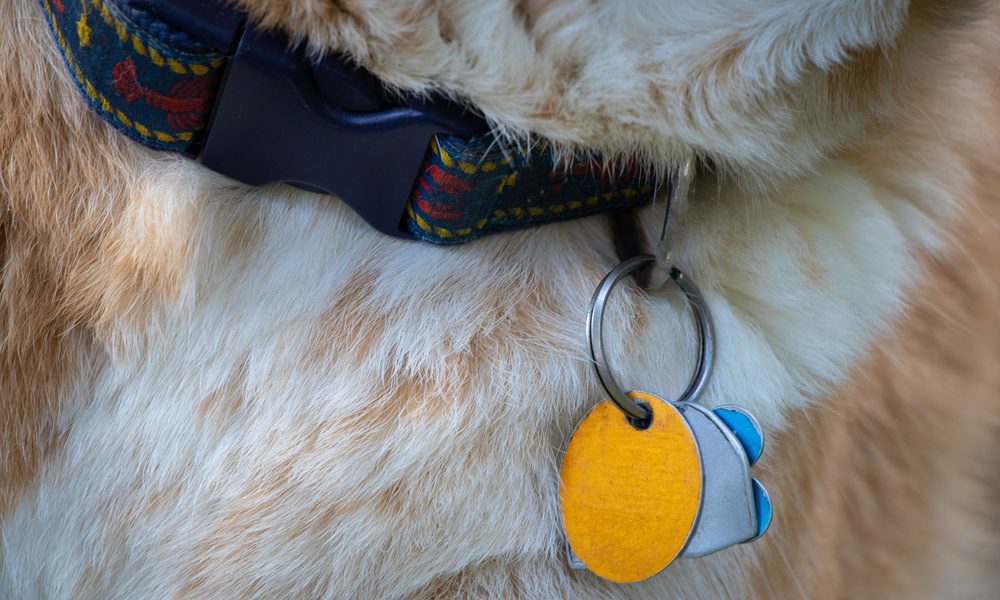
Personal details should make the collar easier to use, not harder for your dog to wear. Start with one design choice that has a purpose. A clear color can help you spot your dog quickly in low light, while reflective trim can make evening walks safer near traffic. If you add identification, choose a style that stays readable and does not swing into your dog’s chest during movement.
A well-designed collar should feel natural from the first wear, sitting comfortably during quiet moments while staying reliable when your dog moves with more energy.