The turbocharger is a marvel of engineering in the automotive industry. It forces more air into the engine, which means more power and better efficiency. Think of it as giving your vehicle a shot of espresso. A turbocharger spins at incredibly high speeds—we’re talking up to 250,000 revolutions per minute—and endures extreme temperatures. This demanding job means it’s sensitive to even small problems. So, like any high-performance component, turbochargers can fail, leading to costly repairs.
Understanding what causes turbos to fail can help you keep your vehicle running smoothly. Let’s look into the top causes of turbocharger failure, explained in a way that won’t require an engineering degree.
1. Oil Starvation or Contamination
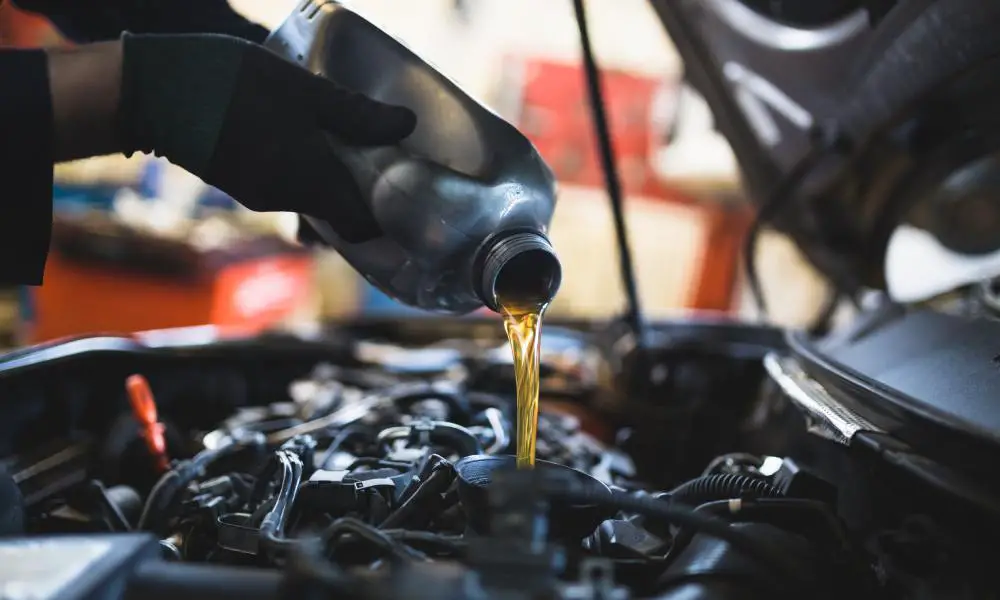
This is the number one turbo killer. Your turbo’s bearings need a constant supply of clean oil to lubricate and cool them as they spin at mind-boggling speeds. If the oil level is too low or if the oil is old and dirty, it can’t do its job. Metal parts will grind against each other, which could lead to catastrophic failure. Regularly changing the oil—using the correct type of oil—is the best defense.
2. Oil Sludge Buildup
Using poor-quality oil or not changing it often enough can cause a thick, tar-like substance known as sludge to clog the oil passages that feed the turbo. This effectively starves the turbo of the lubrication it needs to survive. The link between oil sludge buildup and turbocharger failure is direct and devastating, and it can grind the internal components to a halt.
3. Foreign Object Damage
A turbocharger is essentially two fans. Exhaust gas spins one, which in turn spins another to push air into the engine. If anything solid gets sucked into either side, it’s game over. This could be a stray nut, a piece of a broken filter, or even a chip of carbon buildup from the engine. These small objects turn into projectiles, destroying the delicate fins of the turbo’s turbine wheels.
Ensuring that the air filters are clean and properly installed can prevent debris from entering the system. Inspecting the intake and exhaust systems for any loose components or buildup can also catch potential issues before they escalate.
4. Overspeeding and Wear
Like any mechanical part, a turbocharger can simply wear out over time. Seals and bearings degrade after thousands of miles of intense heat and pressure. Additionally, modifications to the engine’s computer to increase boost pressure can force the turbo to spin faster than it was designed for, a condition known as overspeeding. This drastically shortens the turbo’s lifespan.
Avoid making unauthorized modifications to the engine’s computer or altering boost pressure beyond manufacturer recommendations. Regular maintenance, including timely oil changes with high-quality, turbo-specific oil, also ensures proper lubrication of seals and bearings, reducing friction and heat damage. These practices can extend the life of your turbocharger and maintain optimal performance.
Knowing the top causes of turbocharger failure can make a real difference in your vehicle’s longevity. A little preventative maintenance goes a very long way.