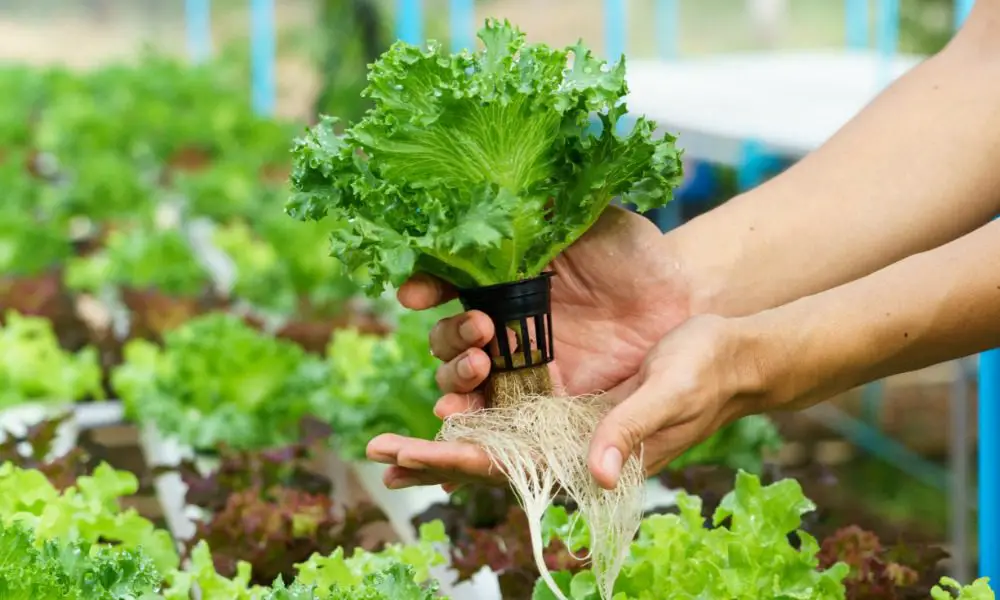
Indoor gardening gives growers full control over their environment, but that control only works when conditions stay consistent. From seedling trays to mature fruiting plants, temperature shapes every stage of development. Understanding the importance of temperature sensors for indoor gardening helps growers protect plant health, maximize yields, and prevent costly setbacks. By tracking temperature in real time, gardeners create a stable climate that supports steady growth and reduces stress on plants.
How Temperature Impacts Plant Growth
Temperature directly influences photosynthesis, respiration, nutrient uptake, and water movement within plants. When temperatures rise too high, plants can wilt, slow their growth, or suffer heat stress. When temperatures drop too low, metabolic processes slow down, leading to stunted growth and poor root development. Even slight fluctuations can affect flowering cycles and fruit production.
Indoor growers often assume that heating and cooling systems alone guarantee stability. However, air circulation patterns, lighting systems, and humidity levels all affect temperature distribution. Without precise monitoring, hot and cold spots can form within the same room. Temperature sensors allow growers to identify these variations quickly and make targeted adjustments before plants show visible signs of stress.
Creating Stable Grow Room Environments
A controlled environment gives indoor gardeners a major advantage over outdoor cultivation. However, that advantage depends on consistent monitoring. Sensors for grow rooms provide accurate readings that help growers maintain ideal daytime and nighttime temperatures. Instead of relying on guesswork, growers can make informed adjustments to ventilation, heating, or cooling systems.
Lighting systems, especially high-intensity fixtures, generate significant heat. Without proper monitoring, temperatures can climb rapidly after lights turn on. Temperature sensors help growers anticipate these changes and automate responses through climate control systems. By keeping conditions within a narrow range, gardeners protect sensitive plants and promote uniform growth across the entire space.
Preventing Plant Stress and Disease
Temperature fluctuations do more than slow growth; they also increase vulnerability to pests and disease. Many pathogens thrive in environments where temperature and humidity shift unpredictably. When growers monitor temperature consistently, they reduce condensation, prevent excessive moisture buildup, and limit conditions that encourage mold or mildew.
Consistent temperatures also strengthen plant resilience. Plants grown in stable conditions develop stronger root systems and healthier foliage. When stress decreases, plants can devote more energy to flowering and fruiting rather than survival. This balance supports higher-quality harvests and improves overall crop performance.
Supporting Long-Term Efficiency and Success
Indoor gardening requires an investment of time, energy, and resources. Temperature sensors protect that investment by reducing guesswork and minimizing losses. They help growers fine-tune their systems, lower energy waste, and respond quickly to equipment failures. Over time, consistent monitoring leads to more predictable harvest cycles and improved efficiency.
Growers who understand the importance of temperature sensors for indoor gardening build a foundation for long-term success. With accurate data and responsive climate control, indoor gardens thrive in controlled environments that promote healthy, productive plants.