When managing a small business, plumbing is rarely the first thing that comes to mind until something goes wrong. A clogged drain, leaking pipe, or malfunctioning water heater disrupts operations and leads to costly repairs.
Implementing preventive plumbing maintenance for your small business saves you time and money so operations run smoothly. Here’s how to take a proactive approach to keep your plumbing in tip-top shape.
Inspect and Clean Drains Regularly
Clogged drains slow operations, particularly for businesses like cafes, restaurants, or salons that rely heavily on water flow. Regularly inspecting and cleaning your drains prevents the buildup of food debris, oils, or hair.
Consider investing in periodic drain camera inspections as well. Drain cameras save you money by helping you identify blockages or potential damage within pipes early on, saving you from expensive surprises down the line.
Check for Leaks
Even a small leak causes water bills to rise and lays the groundwork for bigger plumbing issues. Regularly inspecting sinks, toilets, and pipes for signs of dripping water is a valuable preventive plumbing maintenance practice for your small business. Keep an eye out for signs like mold, water stains, or unusual wet spots, as these issues may indicate hidden leaks. Fixing a leak promptly conserves water while preventing costly damage to walls and floors.
Maintain Water Heaters
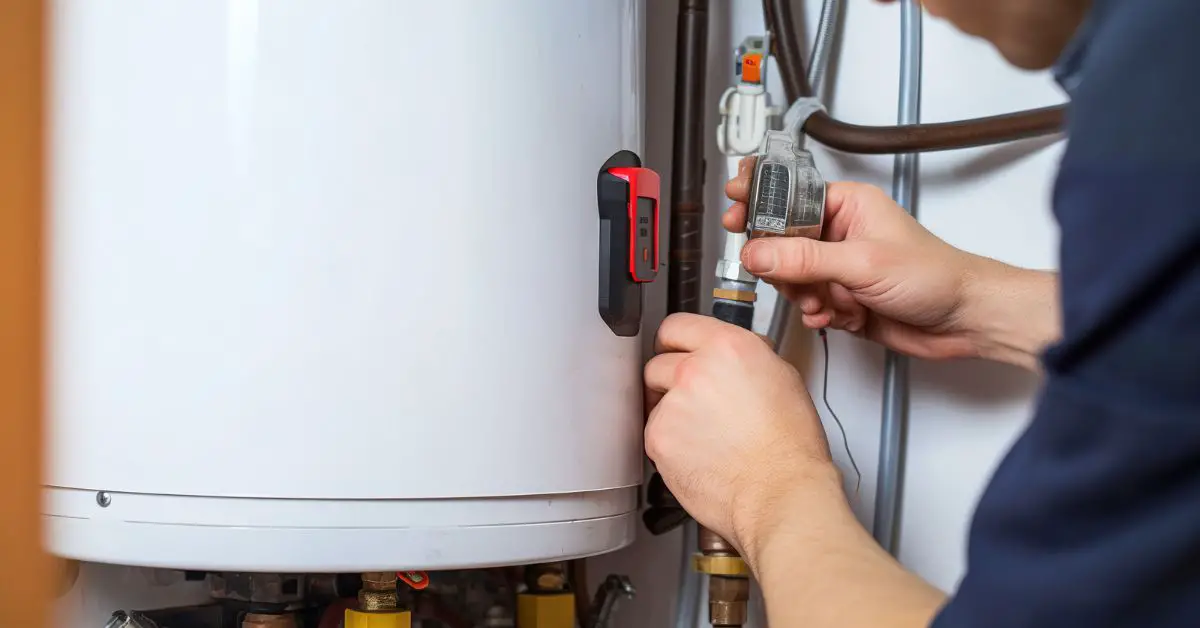
Hot water is a vital component for many businesses, particularly those in the hospitality industry. Flushing sediment from your water heater at least once a year improves efficiency and extends its lifespan.
Monitor the water temperature and pressure to confirm that the heater functions properly. Scheduling an annual professional inspection also helps you identify potential issues before they become expensive repairs, making it a cost-effective decision.
Monitor Water Pressure
High water pressure may seem like a positive, but it can put undue strain on your plumbing system. Over time, this level of water pressure leads to wear and tear, increasing the risk of leaks or pipe bursts. Use a water pressure gauge to keep water within the recommended range of 40 to 60 pounds per square inch (PSI). If the pressure is consistently high, consider installing a pressure regulator to avoid long-term damage.
Insulate Pipes
Frozen pipes are an inconvenience at best and a plumbing emergency at worst, as they may burst under pressure. By insulating exposed pipes, particularly those near exterior walls or unheated areas, you can reduce the risk of freezing so water flows smoothly, even on the chilliest days.
Preventive plumbing maintenance is about ensuring your small business functions smoothly every day. By taking a proactive approach and addressing issues before they escalate, you save money, maintain efficient operations, and reduce the stress of unexpected emergencies. Start prioritizing your plumbing today to build a foundation for long-term success!