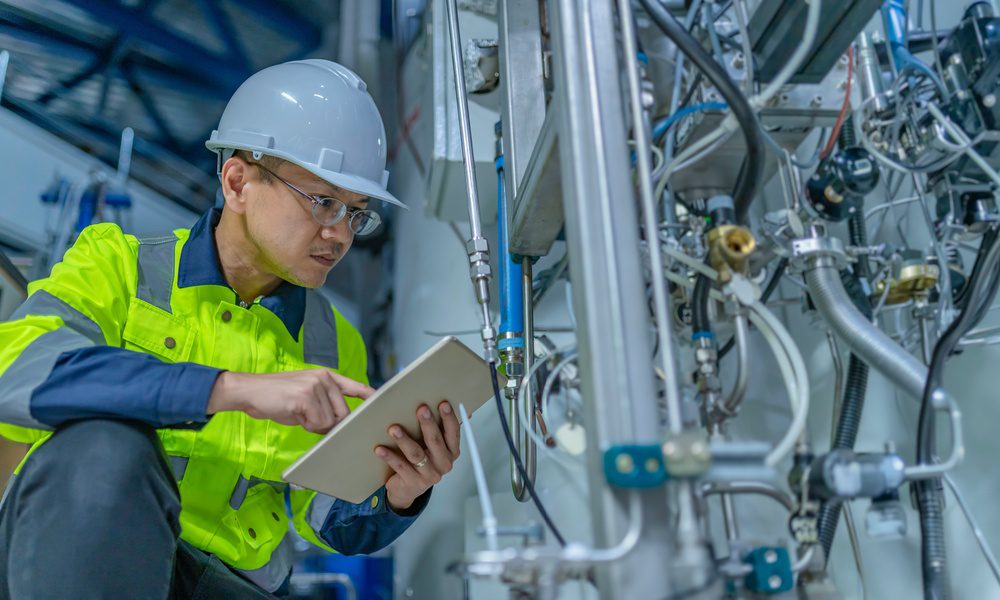
High-voltage electronic systems sound like something hidden inside power plants, labs, or giant industrial machines. But they also support everyday technology, from medical imaging equipment to electric transportation, renewable energy systems, and advanced manufacturing tools.
Because these systems move serious amounts of electrical energy, small weaknesses can create big problems. Preventing failures in high-voltage electronic systems comes down to managing heat, insulation, connection points, voltage spikes, and routine wear before they turn into downtime or damage.
How Heat Can Quietly Damage a System
Heat does not need to look dramatic to cause trouble. In high-voltage systems, excess heat can weaken insulation, stress components, and change how materials behave over time.
Engineers reduce that risk through smart spacing, ventilation, thermal design, and components rated for the environment they will face. A part that works well in a clean indoor cabinet may not hold up the same way near vibration, dust, moisture, or outdoor temperature swings.
Insulation Does More Than Cover Wires
Insulation keeps electricity where it belongs. In high-voltage equipment, that job becomes more complex because electricity can arc through air, track across surfaces, or leak through weakened materials.
That is why engineers pay close attention to insulation materials, surface cleanliness, and physical distance between energized parts. A cracked insulator, contaminated surface, or poorly sealed connection can create a path for current to escape.
Connection Points Deserve Extra Attention
Many failures start where one part meets another. Cable ends, joints, bushings, and connectors all need to hold electrical contact while resisting moisture, movement, and stress.
So, having the right supporting parts matters in preventing failures in high-voltage electronic systems. High-voltage accessories for reliable system performance, like cable terminations, cable joints, insulators, and surge arresters, support safer, steadier operation.
Voltage Spikes Can Arrive in an Instant
A high-voltage system may run smoothly for months, then face a sudden spike from lightning, switching activity, or a grid disturbance. That brief event can damage sensitive equipment if the system has no safe way to redirect excess energy.
Surge arresters help protect equipment by moving unwanted voltage away from critical components. In simple terms, they act like pressure relief for electrical stress, helping the rest of the system stay within safe limits.
Maintenance Turns Small Clues into Big Saves
High-voltage equipment gives warning signs before many failures. Discoloration, corrosion, cracking, loose hardware, unusual sounds, and frequent shutdowns can all point to deeper issues.
Regular inspections help teams catch those clues early. Clean components, tight connections, proper grounding, and documented testing all reduce the chance of system failures that interrupt work, damage equipment, or create safety hazards.
The Quick Takeaway
High-voltage systems rely on more than powerful components. They need careful design, durable materials, clean installation, and steady maintenance.
The most interesting part is that reliability rarely comes from one dramatic fix. It comes from many small decisions working together, from the insulation around a cable to the device that handles a sudden surge.