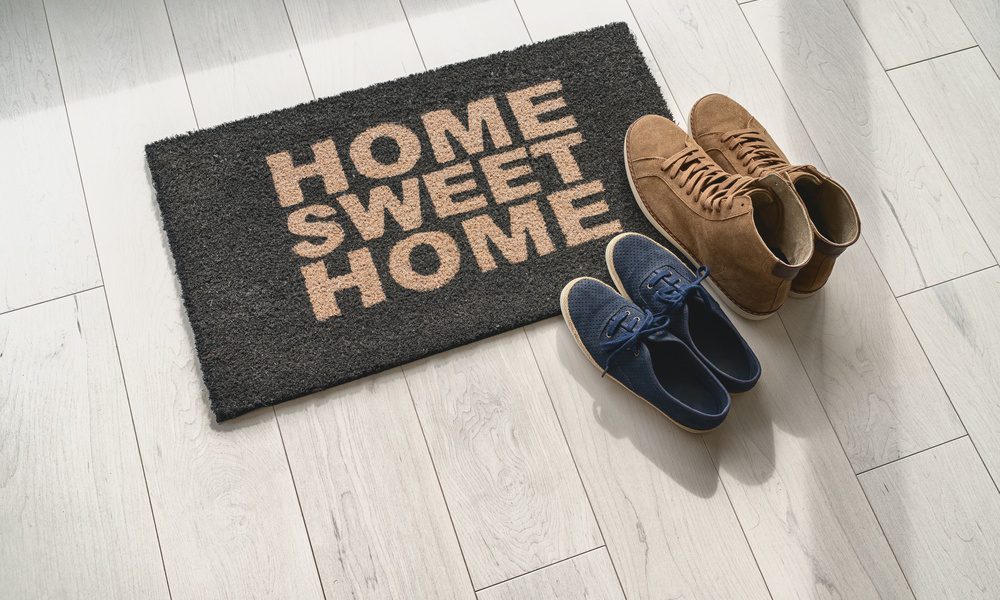
A brand-new house can feel exciting and unfamiliar at the same time. Fresh paint, untouched floors, and empty rooms give you a beautiful starting point, but they may not immediately give you that cozy feeling you associate with home. That connection usually grows through the little choices you make after you move in.
Your favorite photos, familiar furniture, warm lighting, and everyday routines can gradually turn pristine rooms into spaces that feel personal. You don’t need to decorate every corner at once. Give yourself time to settle in, learn how you use each room, and add pieces that reflect the people who live there. Before long, the house will begin to carry your personality, memories, and sense of comfort. These tips and tricks will help you make your new-build house feel like home.
Start with belongings that already hold meaning for you. A favorite blanket, family photographs, a well-loved chair, or artwork from your previous home can bring immediate warmth to an unfamiliar room.
These pieces create visual connections to places and memories you already know. Instead of buying everything new, mix your familiar belongings with the fresh finishes in your home. That combination gives the space character and keeps it from looking like a model home.
You can also unpack the rooms that support your daily routine first. Set up the kitchen, bedrooms, and main living area before worrying about decorative details in every corner. Familiar routines often create a sense of home faster than perfectly styled shelves.
A new house may tempt you to furnish every room as quickly as possible. Give yourself permission to wait.
Buying a new construction home gives you a clean foundation, but you don’t need to make every design decision during your first few weeks. Live in the space long enough to notice where you naturally gather, which rooms receive the best light, and where you need more storage.
Your preferences may shift once you experience the house through different parts of the day. A corner that seemed perfect for a chair might work better as a reading nook. An empty wall may eventually become the right place for family photos. Let the house teach you what it needs.
Lighting has a powerful effect on the mood of a room. Bright overhead fixtures can help with cleaning and tasks, but softer light often creates more comfort in the evening.
Add floor lamps, table lamps, and small accent lights throughout your main living spaces. Warm bulbs can make bedrooms and family rooms feel especially inviting. Place lamps near chairs, sofas, and beds so you can create smaller pools of light instead of relying on one ceiling fixture.
Natural light also deserves attention. Choose window coverings that offer privacy while still letting sunshine enter during the day. Curtains can soften hard lines around windows and add texture to rooms that still feel new.
New construction often features smooth walls, clean countertops, fresh flooring, and crisp architectural lines. Soft materials can balance those finishes and make rooms feel more comfortable.
Layer rugs, pillows, blankets, curtains, and upholstered furniture throughout your home. Even small additions can change the atmosphere of a room. A textured throw across the sofa or a soft rug beside the bed can make a space feel more welcoming.
Choose fabrics that invite relaxation rather than materials that only look good from across the room. Your home should support real life, including movie nights, quiet mornings, busy family dinners, and lazy weekends.
Personal photos quickly separate your house from every other home with a similar floor plan. Frame pictures from vacations, weddings, birthdays, family gatherings, or ordinary days that still make you smile.
You don’t need to cover every wall. A small gallery in a hallway, several framed photos on a console, or one large family picture can add plenty of personality.
Mix photos from different periods of your life rather than focusing only on recent events. Those layers help your home tell your family’s story and create a sense of continuity between where you lived and where you live now.
Builder finishes often rely on neutral shades because they appeal to many homeowners. Those colors give you flexibility, but too many neutral surfaces can make your rooms feel impersonal.
Bring in color through artwork, rugs, pillows, bedding, plants, and accessories. You can experiment without committing to a major renovation or repainting the whole house.
Choose colors that make you feel comfortable rather than following every design trend. Deep greens, warm earth tones, soft blues, cheerful yellows, or rich jewel tones can all bring a neutral space to life.
As you settle in, you may decide to paint a wall or an entire room. Waiting a bit can help you choose a color with confidence.
The kitchen often becomes the heart of daily life, so give it some personality early. Place your favorite coffee mugs where you can reach them easily. Keep a bowl of fruit on the counter. Display a cookbook you love or add a small plant near a sunny window. These simple touches can soften a brand-new kitchen without creating clutter.
Think about how your household uses the room rather than copying a staged kitchen. If you cook every night, keep your most-used tools nearby. If your family gathers around the island, make the seating comfortable. Design the space around your real routines.
A home starts to feel different when people gather, laugh, talk, and spend time together inside it. Arrange furniture to encourage conversation rather than pushing every seat toward a television. Add a comfortable chair where someone can read while another person cooks. Create a breakfast spot that invites slow weekend mornings.
You can also make outdoor areas feel like an extension of your home. A few chairs, planters, or string lights can turn a plain patio into a place where you enjoy coffee, dinner, or conversation. Memories will begin to attach themselves to these spaces as you use them.
Plants add softness, color, and life to new rooms. They can also help fill awkward corners without making the space feel crowded.
Choose plants that fit your lighting conditions and your willingness to care for them. If you prefer low-maintenance options, start with a few hardy varieties rather than filling every room.
Fresh flowers can create the same effect on a smaller scale. A simple vase on the dining table or kitchen counter adds warmth without requiring a major decorating decision. Natural materials such as wood, stone, woven baskets, and linen can also make modern finishes feel more relaxed.
Scent often strongly connects with memory. Your favorite candle, coffee brewing in the morning, fresh laundry, or dinner simmering on the stove can make a new place feel familiar.
Choose subtle scents you already associate with comfort. You don’t need to fill every room with fragrance. Everyday scents often create the strongest sense of home because they connect to your routine.
You don’t need to keep a new house looking untouched. Leave a favorite book on the coffee table, hang coats near the door, let kids display artwork, and keep a basket of blankets beside the sofa. These signs of daily life add personality to the space.
A home gains warmth when it reflects the people who live there. Small imperfections often make a room feel more inviting because they show that people use and enjoy the space. Focus on comfort and function instead of trying to preserve a showroom appearance.
A new-build house doesn’t become home because every wall has artwork or every room matches a decorating plan. Home develops through comfort, familiarity, personality, and the memories you create along the way.
Take your time. Add meaningful pieces, choose colors you love, create cozy spaces, and build routines that fit your household. Let your rooms change as your needs and tastes change.
Eventually, the fresh walls and untouched floors will become the background for everyday life. Family dinners, quiet mornings, celebrations, and ordinary moments will fill the space with something no builder can provide. They’ll give your new house a history of its own and make it unmistakably yours.
Create cleaner embroidery designs with practical tips for fixing thread breaks, puckering, skipped stitches, and…
Learn how to build a shipping container office with practical guidance on site preparation, insulation,…
Before buying a 3D printer for a new hobby, explore how 3D printing and the…
Find out how often you should inspect your crawl space at home so you can…
Get ahead of tax season with practical tips for small business finances. Here's how to…
Brand managers who plan campaign costs strategically gain a sharp view of budgeting, timing, priorities,…