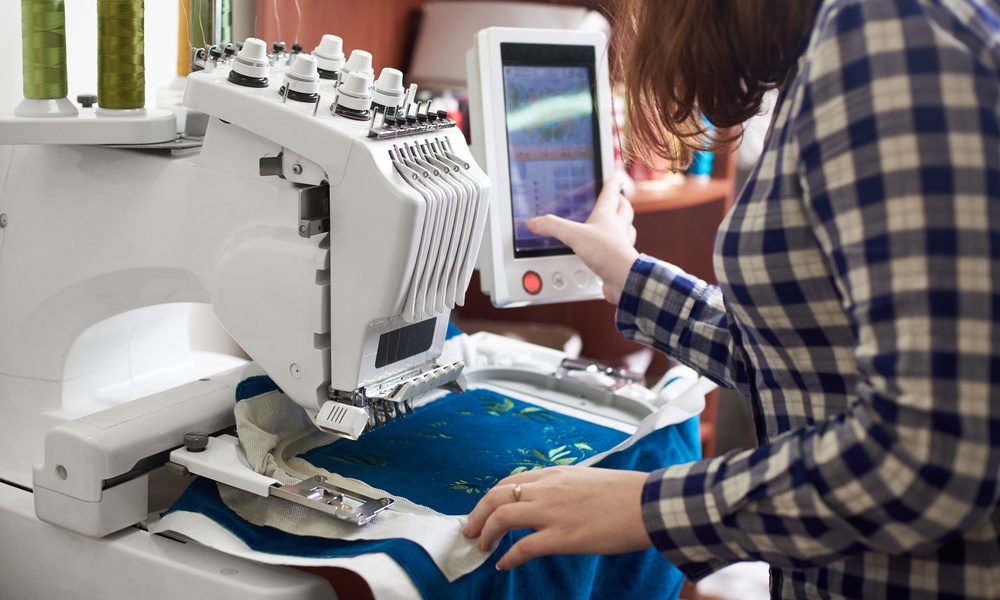
Machine embroidery allows you to create detailed designs with impressive precision, but even experienced embroiderers encounter problems that interrupt their projects. From unexpected thread breaks to uneven stitching, small issues can quickly affect the appearance of your finished work. Fortunately, most embroidery problems have straightforward solutions once you identify their underlying causes. Learning how to troubleshoot common machine embroidery mistakes can help you avoid wasted materials and improve your results. With proper preparation and a few practical adjustments, you can keep your embroidery machine running smoothly while producing consistent designs.
Frequent thread breaks can interrupt your embroidery project and leave noticeable imperfections in your design. When your machine repeatedly breaks thread, start by checking how you threaded the machine. Improper threading can create unnecessary friction that weakens the thread during stitching.
Remove the upper thread and carefully rethread your machine according to the manufacturer’s instructions. Make sure the thread passes through every guide and sits correctly between the tension discs. You should also inspect the spool to confirm that the thread unwinds freely without catching on nearby components.
Thread quality can also contribute to repeated breakage. Older thread may become brittle, especially when you store it in direct sunlight or expose it to excessive moisture. Choose embroidery thread designed for machine stitching and replace damaged spools before continuing your project.
Thread tension plays an important role in producing smooth embroidery designs. When your machine applies too much tension, the thread may pull tightly against the fabric and cause puckering. Insufficient tension can create loose stitches that affect the design’s appearance.
Start by examining the back of your embroidery. Ideally, you should see a balanced distribution of upper thread and bobbin thread without excessive looping. If the upper thread pulls too tightly, gradually reduce the tension until the stitches settle evenly.
Understanding tension problems and how to solve them can make troubleshooting easier, particularly when you work with unfamiliar fabrics. Test adjustments on scrap material before returning to your main project. Make small changes rather than adjusting several settings simultaneously so you can identify which correction improves your results.
Fabric puckering occurs when embroidery stitches pull the surrounding material inward, creating wrinkles around the design. This problem commonly affects lightweight fabrics that cannot support dense stitching without additional reinforcement.
Choosing the appropriate stabilizer can significantly reduce puckering. Lightweight fabrics often benefit from a cutaway stabilizer that provides lasting support throughout the embroidery process. However, the best stabilizer depends on the fabric’s stretch and the complexity of your design.
Proper hooping also helps prevent unwanted wrinkles. Position the fabric securely within the embroidery hoop without stretching it beyond its natural shape. Excessive stretching can cause the material to contract after you remove the hoop, leaving visible distortion around the finished embroidery.
Skipped stitches create unwanted gaps in embroidery designs and can make decorative patterns appear incomplete. A damaged or incorrectly installed needle often causes this problem because it prevents the machine from forming consistent stitches.
Inspect your needle for bending or visible damage before beginning another embroidery attempt. Replace worn needles regularly, especially after completing projects that involve dense designs. Always select a needle that suits your fabric and thread combination.
Needle installation also deserves attention. Make sure you insert the needle fully into its designated position and secure it according to your machine’s instructions. If skipped stitches continue, check whether your fabric moves excessively during stitching. Additional stabilization may help the machine maintain consistent contact with the material.
Bobbin issues can create uneven stitching or cause thread to gather underneath your embroidery. When you notice tangled thread beneath the fabric, stop the machine immediately to prevent further damage.
Remove the hoop carefully and inspect the bobbin area for loose thread. Clear away accumulated lint that might interfere with normal operation. After cleaning, confirm that you installed the bobbin correctly and that the thread follows the appropriate path.
Using the correct bobbin type also matters because incompatible bobbins can affect thread delivery. Follow your machine manufacturer’s recommendations and avoid mixing bobbins intended for different equipment. If problems persist, rethread the upper thread before changing bobbin tension, since incorrect upper threading frequently causes tangles underneath the fabric.
Misaligned embroidery designs can ruin an otherwise successful project, particularly when you create lettering or combine multiple design elements. Fabric movement during stitching often causes alignment problems, making proper hoop preparation essential.
Begin by securing the fabric and stabilizer together before placing them inside the hoop. Make sure the hoop holds both layers firmly without allowing unnecessary movement. You can also use temporary adhesive when appropriate for your materials.
Before starting the embroidery process, preview the design placement using your machine’s positioning features. Check that the design fits comfortably within the embroidery area and aligns with your intended location. Taking time to verify placement can prevent frustrating mistakes that become difficult to correct after stitching begins.
Needle breakage can damage your embroidery project and potentially affect your machine. When a needle breaks, stop stitching and remove every visible fragment before attempting another design.
Needles often break when they strike unusually thick material or encounter resistance during stitching. Choose the appropriate needle size for your project and avoid forcing bulky fabric beneath the embroidery foot.
You should also inspect the hoop placement to ensure the needle cannot strike its edges. If breakage continues despite proper setup, consult your machine’s instructions or contact a qualified technician. Repeated needle damage may indicate an underlying mechanical problem that requires professional attention.
Regular maintenance helps prevent many embroidery problems before they affect your projects. Thread fragments and lint can accumulate around moving components, eventually interfering with smooth operation.
Clean your machine according to the manufacturer’s instructions and pay particular attention to the bobbin compartment. Use approved cleaning tools and avoid applying unnecessary pressure to delicate components.
Follow the recommended maintenance schedule and arrange professional servicing when necessary. Consistent care can extend your machine’s useful life while helping you maintain reliable stitching performance.
Successful embroidery requires patience and careful attention to machine setup. By troubleshooting common machine embroidery mistakes, you can recognize potential problems early and make adjustments before they compromise your designs. Develop a consistent preparation routine and test unfamiliar materials before beginning important projects. With practice, you can minimize interruptions and create embroidery that reflects your creativity and attention to detail.
Learn how to build a shipping container office with practical guidance on site preparation, insulation,…
Before buying a 3D printer for a new hobby, explore how 3D printing and the…
Find out how often you should inspect your crawl space at home so you can…
Get ahead of tax season with practical tips for small business finances. Here's how to…
Brand managers who plan campaign costs strategically gain a sharp view of budgeting, timing, priorities,…
One bad month should not wreck your passive income plan. Set cash reserves and exit…