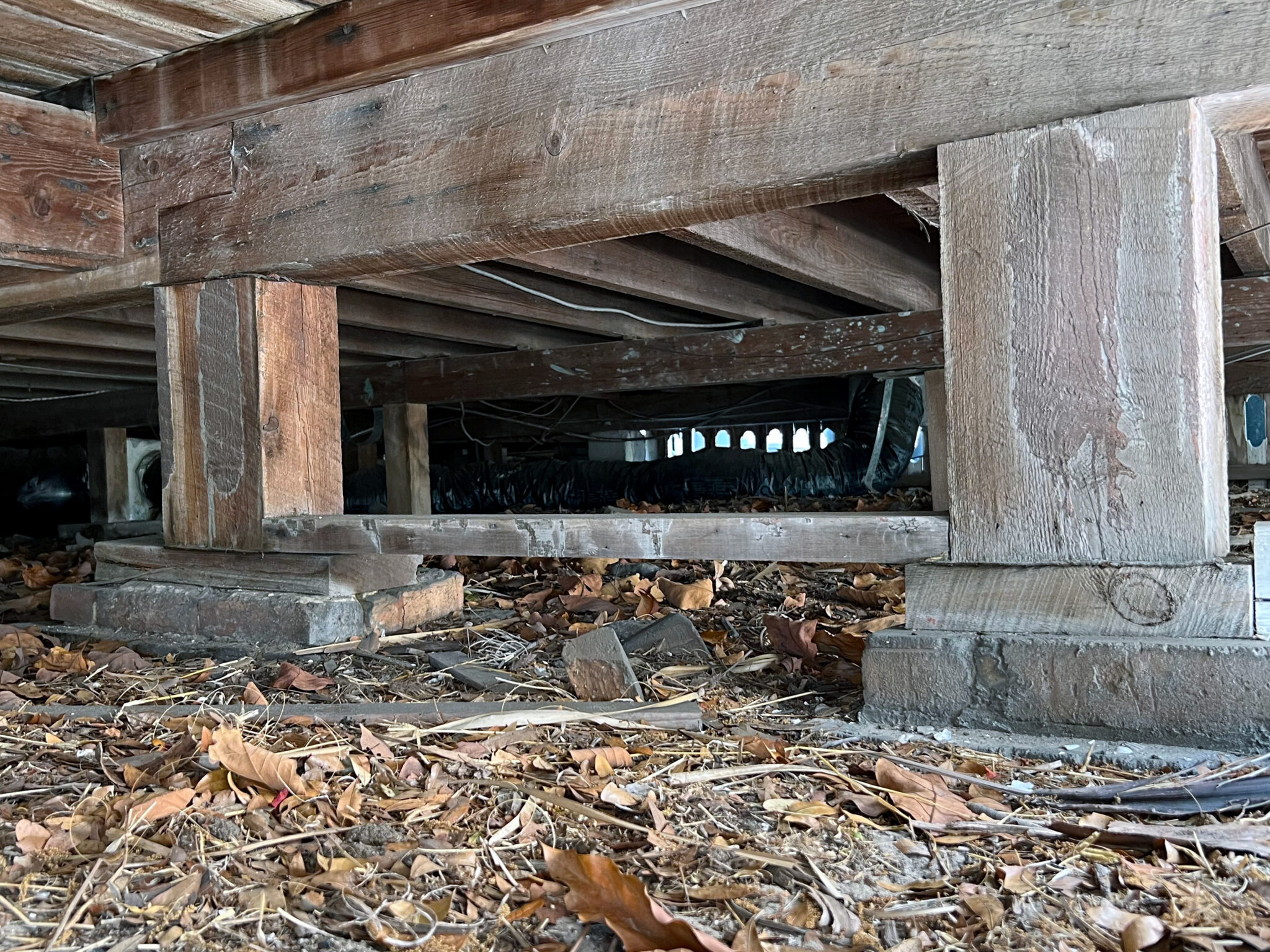
A practical schedule can take much of the guesswork out of crawl space care. How often you should inspect your crawl space at home depends on the property, climate, and other important factors. Use the guide below to build a reliable routine for your home.
For a home with no known crawl space problems, plan an inspection about every six months. Spring and fall work well because each visit falls near a seasonal transition. These checks give you a chance to spot changes after winter weather or before colder months arrive.
A six-month schedule also creates a useful point of comparison. The space may look dry and clean during one visit, then show damp soil or a new stain several months later. That contrast can reveal a recent problem before it has much time to spread.
Homes with a history of leaks, pest activity, or excess moisture may need more frequent attention. In those cases, a check every three or four months can help you stay aware of changes. Once the underlying problem receives professional attention and conditions remain stable, you may return to a twice-yearly schedule.
Your regular calendar shouldn’t be the only reason to inspect the area below your home. Heavy rain, floods, severe storms, and sudden snowmelt can introduce water where it doesn’t belong. Even a crawl space that stayed dry for years can develop a moisture problem after an unusual weather event. Don’t overlook the importance of moisture control in your crawl space because it can quickly cause problems.
After severe weather passes, look for puddles, damp soil, wet insulation, water marks, or a musty odor. Pay attention to vents and access points as well. Debris or water near these areas may signal that the storm altered conditions around the foundation.
A dry crawl space after a major storm provides useful reassurance. If you find moisture, take note of its location and extent. A professional can then evaluate the source and recommend the proper next step.
A leak inside the house can send water into places far from the original source. A failed pipe, overflowing fixture, or appliance leak may allow moisture to reach the subfloor and the crawl space below. Once the visible mess disappears, hidden moisture can remain.
Inspect the area beneath or near the source of the leak as soon as it’s safe to do so. Look for darkened wood, wet insulation, drips, puddles, or new odors. You may also notice warped material or stains near pipes and joists.
Don’t assume a small leak stayed confined to the room where you first found it. Water can travel along pipes, structural materials, and other surfaces before it settles. A prompt crawl space check gives you a clearer picture of the true extent of the problem.
A crawl space inspection doesn’t have to become a major home project. The goal is to compare current conditions with what you saw during the last visit and identify anything that looks new or unusual. A flashlight and a few minutes of careful observation can tell you quite a bit.
During each inspection, look for:
Photos can also help you track the space over time. Take a few shots from the same locations during each inspection and save them with the date. At your next check, those images give you a reference instead of forcing you to rely on memory.
Sometimes the first clue to a crawl space problem appears upstairs. Floors may feel different underfoot, an unfamiliar odor may enter a room, or indoor humidity may seem higher than usual. Those changes deserve attention even if your next routine inspection is months away.
Floor concerns can be especially useful clues because the subfloor sits above the crawl space in many homes. Excess moisture below may contribute to stains, cupped boards, soft areas, or other visible changes. Those symptoms don’t prove that the crawl space caused the problem, but they give you a reason to inspect further.
Doors or trim may also show changes after excess moisture enters parts of the house. Treat unusual changes as prompts for closer inspection rather than proof of one specific cause. A qualified professional can diagnose the source if the cause isn’t clear.
Your eyes aren’t your only useful tool during an inspection. A strong musty smell can signal excess moisture even when no puddle or obvious leak appears. If that odor is new, take it seriously.
Moisture may hide in insulation, wood, soil, or areas that are difficult to see from the crawl space entrance. An odor that persists deserves professional attention, especially if it also appears inside the home. Address the source rather than try to cover the smell with sprays or fragrances.
Not every crawl space is safe or practical for a homeowner to enter. Some have very little clearance, exposed electrical components, pests, contaminated water, damaged supports, or other hazards. You don’t need to crawl into an unsafe area just to stay proactive about home care.
In many cases, you can inspect part of the space from the access point with a strong flashlight. If you see extensive water, suspected mold, structural damage, animal activity, exposed wires, or sewage, stop there and contact the appropriate professional. A specialist has the equipment and experience to assess conditions with less personal risk.
The easiest inspection schedule is one you’ll actually remember. Add crawl space checks to other seasonal home tasks, such as HVAC service, gutter care, or exterior inspections. A recurring calendar note can keep the task from disappearing beneath more visible chores.
Keep a brief record after each visit. Note the date, general conditions, unusual odors, moisture, pest evidence, and any areas you want to watch. This small habit creates a useful history of the space and helps new problems stand out. For most homes, a twice-yearly crawl space check provides a practical routine, with extra inspections after severe weather, leaks, or noticeable changes inside the house. You should also consider the best tips for organizing your old attic if you want to expand your clean-up plans.
The goal isn’t to turn every homeowner into a crawl space expert. It’s to catch unusual conditions early enough to call the right professional before a small concern spreads farther through the home. Now that you know how often you should inspect your crawl space at home, setup a routine that keeps your home clean and organized.
Before buying a 3D printer for a new hobby, explore how 3D printing and the…
Get ahead of tax season with practical tips for small business finances. Here's how to…
Brand managers who plan campaign costs strategically gain a sharp view of budgeting, timing, priorities,…
One bad month should not wreck your passive income plan. Set cash reserves and exit…
Improve your workspace with office renovation ideas that support employee comfort, boost morale, and create…
Make transportation easier for people with disabilities with practical tips for accessible vehicles, mobility equipment,…