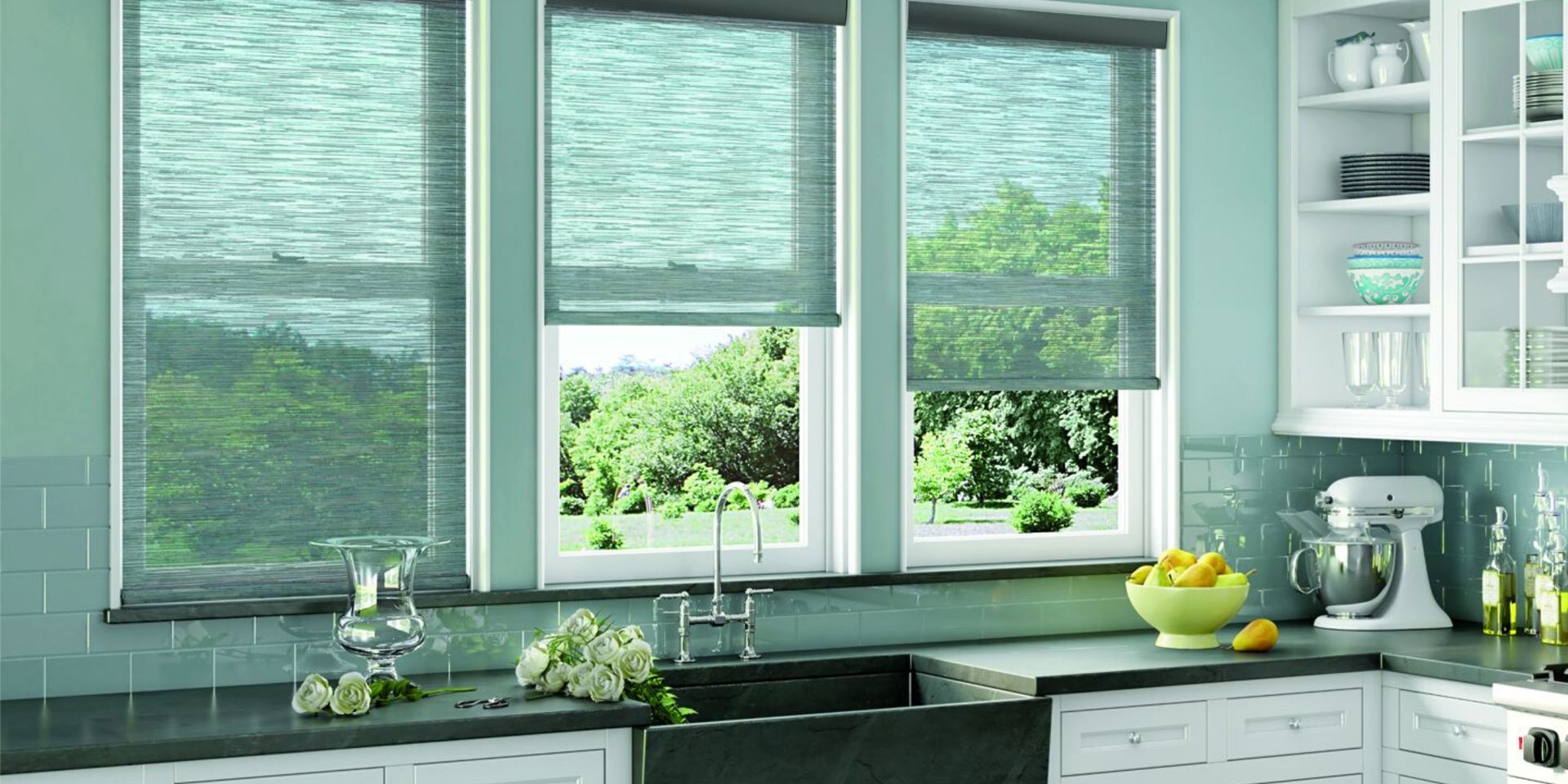
Kitchens are the heart of a home. They’re where the morning coffee begins, where family gathers, and where meals are created for friends and neighbors alike. Because of this, kitchen window treatments need to do more than just look good — they have to work hard. They must handle light, moisture, and heat, all while complementing the design of a room that’s often the busiest in the house.
The challenge is striking the right balance between style and practicality. Too heavy a fabric can feel oppressive, while flimsy materials won’t stand up to daily life. Fortunately, there are ways to create kitchen windows that are both functional and beautiful.
1. Start With the Basics: Light Control
Most kitchens benefit from natural light. It energizes the space, highlights surfaces, and makes the room feel open. However, sunlight can also create glare on counters or make cabinets fade over time.
One solution is custom roman shades. They provide a tailored fit for your windows, allowing you to filter light without sacrificing style. These shades can be raised completely during the day for full light or lowered to soften brightness while cooking or dining. Choosing a fabric that’s easy to clean ensures that your shades stay looking crisp despite daily use.
For rooms that need softer diffusion, sheer roman shades work beautifully. They allow sunlight to stream in while maintaining privacy, creating a warm, inviting glow that’s perfect for breakfast nooks or open kitchens.
2. Choose Fabrics That Handle Real Life
Kitchens aren’t gentle environments. Steam, splashes, and curious hands are all part of the daily routine. This makes fabric choice critical.
Avoid delicate silks or fabrics that wrinkle easily. Instead, focus on materials like cotton blends, woven synthetics, or performance fabrics that resist stains and are easy to wipe clean. Neutral colors or soft patterns also help hide minor spills or fingerprints, keeping your kitchen looking polished without constant upkeep.
3. Consider Practical Lengths and Placement
If your kitchen window sits above a sink or counter, long drapery panels can interfere with your workflow. Instead, opt for treatments that sit close to the window. Custom roman shades fit snugly, providing coverage without hindering functionality.
For wider windows or ones over seating areas, consider panels that frame the window rather than cover it completely. This maintains openness while adding softness and structure to the space.
4. Layering for Flexibility
Layering might sound excessive for a kitchen, but when done thoughtfully, it adds both function and aesthetic depth. Pair a light-filtering sheer roman shade with cafe curtains to allow maximum control over light and privacy.
Layering also gives you the opportunity to introduce texture or subtle patterns without overwhelming the room. A simple patterned valance or soft-textured panel can complement your cabinetry and backsplash while keeping the overall feel cohesive.
5. Make Use of Valances Where Appropriate
While often overlooked, custom window valances can add a polished touch to kitchen windows, particularly in breakfast nooks or smaller spaces. They soften hard lines at the top of the window and provide visual interest without adding bulk or clutter.
Modern valances are tailored and structured, making them a stylish, understated way to frame windows. Unlike traditional frilly versions, contemporary designs are clean and functional, giving a subtle nod to architectural detail without being fussy.
6. Balance Style With Durability
The most successful kitchen window treatments are those that feel intentional while standing up to daily life. Hardware, rod placement, and the finish of fabrics should all complement the kitchen’s style without competing with it.
For example, matte black rods pair beautifully with modern cabinetry, while brushed brass or warm wood tones suit traditional or transitional kitchens. Consider finishes that echo your cabinet hardware or light fixtures for a cohesive, curated look.
7. Keep the Room Flowing
Kitchens are often connected to dining or living spaces. Window treatments should support visual flow, not interrupt it. Neutral fabrics, subtle patterns, and simple silhouettes help maintain consistency between rooms, making transitions seamless and the overall design feel intentional.
8. Choose Color and Pattern Thoughtfully
While kitchens can handle playful patterns, it’s best to keep colors coordinated with cabinetry, countertops, and backsplash. Neutral shades or soft pastels create a calming backdrop, while subtle prints or stripes can add personality without feeling busy. Patterned fabrics, when scaled correctly, can conceal minor stains or wear, making them practical as well as stylish.
Final Thoughts
Kitchen window treatments are more than decorative accessories; they’re practical solutions that define the mood and function of the room. By prioritizing light control, choosing durable fabrics, and layering thoughtfully, you can create windows that look polished while standing up to daily use.
Whether you opt for custom roman shades, soft sheer roman shades, or tailored valances, the goal is balance: enough softness to warm the space, enough practicality to handle real life, and enough style to complement the overall design. When done right, kitchen windows become one of the most intentional and impactful features in your home.