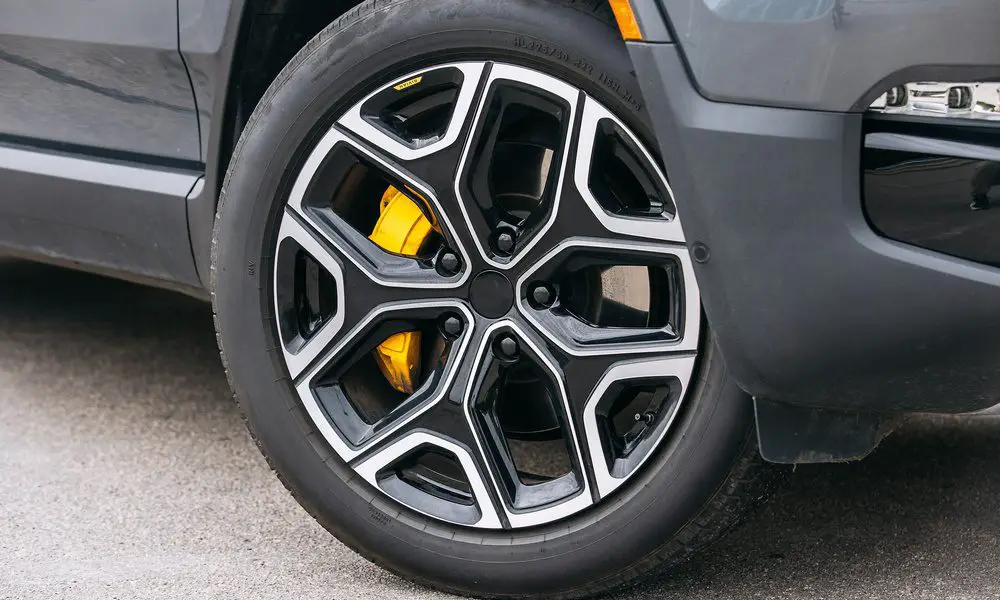
Drivers obsess over horsepower, torque, and infotainment systems, but the only thing actually connecting your car to the road is your tires. For decades, tire technology seemed static—black, round, and filled with air. But that narrative is changing rapidly.
The automotive industry is undergoing a revolution, and tires are no exception. Manufacturers are rethinking the very composition and structure of the wheel to meet modern demands for sustainability, efficiency, and safety. Let’s explore some of the most innovative tire options reshaping the way we drive.
Airless Tires: No More Flat Fixes
The concept of a non-pneumatic (airless) tire has been around for a while, but it is finally moving from sci-fi prototype to reality. Companies like Michelin and Bridgestone are investing heavily in airless technology.
These tires use a flexible, open-web structure made of high-strength resin and fiberglass to support the vehicle’s weight, eliminating the need for air pressure.
The Benefits
The most obvious advantage is immunity to punctures and blowouts. No air means no flats, which translates to improved safety and less downtime for drivers. For fleet operators, this could mean massive savings in maintenance costs. Furthermore, airless tires reduce the amount of raw materials used and can be retreaded multiple times, making them a more eco-friendly option.
Run Flat Tires
Run flat tires are an innovative solution designed to maintain functionality even after a puncture or loss of air pressure. Unlike traditional tires, run-flat tires have reinforced sidewalls that can temporarily support the vehicle’s weight, allowing drivers to continue traveling for about 50 miles at reduced speeds.
This capability provides an invaluable safety advantage by eliminating the need to pull over in potentially hazardous situations, such as on busy highways or in poorly lit areas. With these benefits, it’s no wonder why drivers are choosing run flat tires.
Additionally, this technology reduces the risk of tire blowouts, as run-flat tires are designed to maintain stability even in extreme conditions. While they may come at a higher initial cost compared to standard tires, their added safety, reliability, and convenience make them a worthwhile investment for many drivers.
EV-Specific Tires
Electric vehicles (EVs) pose unique challenges for standard tires. EVs are generally heavier than internal combustion cars due to their battery packs, and they deliver instant torque to the wheels. This combination can shred standard rubber much faster than you might expect.
Tire manufacturers have responded with EV-specific lines. These tires are engineered with stiffer sidewalls to handle the extra weight and specialized tread compounds to withstand high torque. They also focus heavily on reducing rolling resistance to maximize battery range and minimizing road noise—crucial for EVs, which lack the masking sound of an engine.
Ready to Roll?
The humble tire is undergoing a massive high-tech makeover. Whether you prioritize safety, efficiency, or environmental impact, innovative tire options are emerging to meet your needs. Next time you need a new set of wheels, consider looking beyond the standard black rubber—you might find a technological marvel that transforms your driving experience.