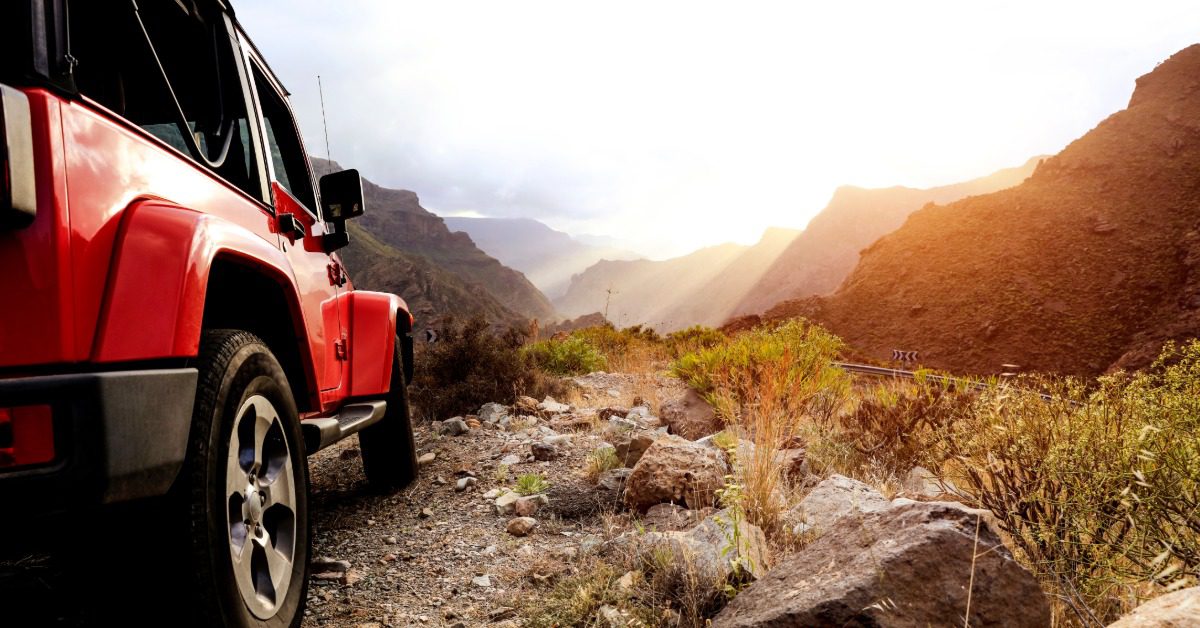
A Ford Bronco feels at home beyond pavement, where rough trails offer challenges that test the vehicle and its driver. Strong factory capability provides a solid foundation, but unpredictable terrain can still expose body panels and mechanical parts to serious damage. Smart preparation makes each trip safer without taking away from the adventure.
Off-road accidents rarely happen for one simple reason. A hidden rock or sudden terrain change can quickly turn a routine trail section into an expensive problem. Drivers who respect trail conditions and understand their Bronco can reduce those risks before damage occurs.
Vehicle protection also deserves attention before the first tire reaches dirt. Proper equipment can shield exposed areas when clearance becomes tight, especially across routes where rocks sit close to the body. Learning how to protect your Bronco from off-roading accidents will help preserve the vehicle through difficult terrain and supports confidence far from paved roads.
Inspect the Bronco Before Trail Use
A quick inspection at home can reveal problems that become much worse under trail stress. Loose hardware may seem minor on pavement, but repeated jolts across rough ground can place greater force on an already weak connection. Any unusual sound or visible damage deserves attention before departure.
Look beneath the vehicle for evidence from previous trips. A bent shield, damaged mount, or fresh leak can signal a problem that requires repair before another rough route adds stress. Early attention may prevent a minor defect from ending an otherwise enjoyable adventure.
Match Tire Setup to the Route
Tires have a major effect on how confidently a Bronco responds when pavement disappears. Proper tread helps the vehicle maintain contact across loose earth or uneven rock, where weak traction can quickly affect driver control. Strong tires also tolerate harsh trail surfaces better than options built mainly for street use.
Pressure deserves equal attention because the correct level changes how each tire responds to uneven terrain. Some routes may call for pressure adjustments, but excessive reduction can leave wheels more exposed when tires meet hard obstacles. Restore suitable road pressure before the return trip home.
Protect Exposed Rocker Areas
Rocker areas sit close to obstacles that can cause significant body damage on narrow routes. A rock that appears harmless from the driver’s seat may rise enough to contact exposed metal once a tire enters a rut. Even slow contact can leave dents or create expensive repair needs.
Learning the benefits of installing Bronco rock sliders will help protect lower body areas when rocks or ledges threaten exposed exterior surfaces. Quality sliders create a strong barrier between the Bronco and terrain that might otherwise strike vulnerable metal. Secure attachment also allows that protection to remain stable when trail contact places heavy force against it.
Keep Speed Under Control
Speed can turn a manageable trail hazard into a damaging impact. Rough terrain changes quickly, and drivers need enough time to recognize dips or obstacles before the front tires reach them. A slower pace gives the Bronco more time to respond as the surface changes.
Control matters even more when visibility becomes limited. Cresting a hill too fast can leave little room to react if the route drops sharply on the opposite side. Drivers should select a pace that leaves enough time for deliberate decisions rather than rushed reactions.
Respect the Bronco’s Ground Clearance
A Bronco may offer generous clearance, but the entire underbody does not sit at one uniform height. Certain components remain closer to the ground and can contact obstacles that appear easy to clear from inside the cabin. Understanding those low points helps drivers make smarter choices before difficult terrain.
One of the best tips to prevent off-roading accidents with a Bronco is to approach unfamiliar obstacles with patience. The safest path may require a different tire position than the most obvious route, especially when rocks rise near the center. Careful placement can keep sensitive components away from direct contact and reduce unnecessary underbody damage.
Understand Four-Wheel-Drive Controls
Bronco traction technology can provide excellent support when the terrain becomes difficult. Those systems work best when drivers understand how the vehicle reacts before a demanding trail creates pressure to make fast decisions. Familiarity with each control also reduces the chance of selecting an unsuitable setting.
Technical terrain often rewards smooth power rather than aggressive throttle. Excess wheel spin can reduce control and may force the Bronco toward an obstacle that the driver hoped to avoid. Deliberate input allows available traction systems to work without unnecessary stress on the vehicle.
Leave Room Around Other Vehicles
Off-road travel with other vehicles can create unexpected hazards when drivers follow too closely. The Bronco ahead may stop without warning if its driver encounters a hidden drop or loses traction on a steep section. Extra space gives everyone more room to respond safely.
Distance becomes especially important near technical obstacles. One vehicle may need to reverse or change its approach after the first attempt fails, and another Bronco directly behind can block that escape path. Patient drivers give each vehicle enough room to complete difficult sections without added pressure.
Prepare for a Safe Recovery
Even a capable Bronco can lose traction when trail surfaces change without warning. Deep mud or loose earth may trap a tire before the driver realizes how unstable the ground has become. A calm recovery response can prevent the situation from causing additional vehicle damage.
Safe recovery depends on proper equipment and sound attachment points. Improvised methods may place extreme force on parts that were never meant to support a vehicle under heavy load. Drivers should understand proper recovery practices before a remote trail leaves little access to outside assistance.
Respect Changes in Weather
Weather can alter an off-road route much faster than many drivers expect. A trail that felt firm earlier may become slick after rain, and water can hide holes that were easy to see before. Conditions deserve fresh attention whenever the surface begins to change.
Previous experience on a route does not guarantee the same conditions during another visit. Erosion can reshape familiar sections and expose obstacles that did not exist during an earlier trip. Treat each route according to its present condition rather than memories from a past adventure.
Turn Around When Conditions Demand It
Not every obstacle deserves an attempt. Deep water or unstable terrain can exceed safe limits even when a Bronco has substantial modifications and an experienced driver behind the wheel. Choosing another route often protects both the vehicle and everyone inside it.
Confidence should come from sound judgment rather than pressure to conquer every section. There will always be another trail, and no single obstacle deserves severe body damage or a stranded vehicle far from help. Knowing when to retreat reflects experience rather than hesitation.
Off-road adventures can reveal what makes the Ford Bronco such a capable vehicle. That capability becomes far more useful when drivers respect terrain, understand their vehicle, and protect areas that face direct exposure to trail hazards. Thoughtful preparation can make difficult routes feel more controlled without removing their sense of adventure.
Vehicle protection also helps preserve the Bronco when unexpected contact becomes impossible to avoid. Quality exterior equipment can take the force that might otherwise reach vulnerable body areas, but responsible decisions remain the strongest defense against accidents. A well-prepared Bronco gives drivers greater confidence each time pavement ends.