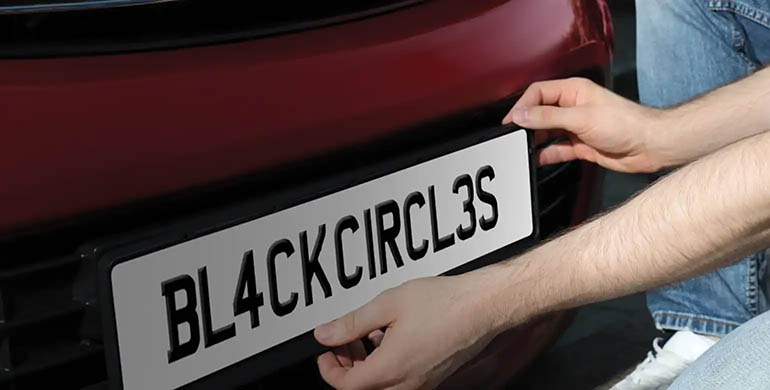
Purchasing a private number plate is an exciting way to personalize your vehicle and make it stand out from the crowd. Whether it’s a play on your name, your business brand, or simply a unique combination that means something to you, private registrations add a touch of individuality to any car. However, behind the fun of choosing the perfect plate lies an important detail that every driver must consider: how this change affects your car insurance and legal documentation.
When you assign a private number plate to your car, you are altering its registered identity. The DVLA, your insurer, and any relevant finance company must all have the correct registration details on file. If they don’t, problems can arise—especially during claims or ownership verification. Failing to update your insurer after fitting a private plate can lead to delays or complications, and in some cases, could invalidate your policy entirely.
Fortunately, the process of updating your records is straightforward. Once your plate transfer is complete, you should immediately inform your insurer. Most major insurance providers allow you to update your registration online or through a quick phone call. This simple step ensures that your policy remains valid, your documentation matches DVLA records, and your coverage continues without interruption.
It’s important to understand that private number plates themselves do not usually increase your insurance premiums. Insurance costs are based on the car’s make, model, value, and the driver’s risk profile—not the combination of letters and numbers on the plate. What matters most is that all details remain accurate and consistent across records. Problems arise not because of the plate, but because of mismatched or outdated information that confuses insurers or law enforcement during claims or checks.
That said, there is a financial dimension to private plates that some drivers overlook. Many personalised registrations hold significant value—sometimes worth thousands of pounds on the resale market. In these cases, it’s worth considering additional coverage to protect the plate itself. While your vehicle insurance covers the car, it may not compensate for the loss of a valuable registration in the event of theft or a write-off. Specialist insurers offer “plate retention” or dedicated registration coverage to safeguard that investment. In this context, Regplates advises that private plate owners treat their registration as a personal asset, ensuring it’s fully documented and insured separately if necessary.
The same level of care applies when you sell or dispose of your vehicle. If you want to keep your private number plate, you must formally remove it before the sale. The DVLA offers an online service to retain ownership and assign the plate to another vehicle later. If you forget to do this, the plate will transfer automatically to the new owner once the sale is complete. This is one of the most common—and avoidable—mistakes that lead to drivers permanently losing rights to their cherished plates.
Proper documentation is another essential part of protecting your private registration. Retention certificates, transfer confirmations, and correspondence with insurers should all be safely stored. These documents serve as proof of ownership, particularly important if your car is declared a total loss or if you ever need to dispute a transfer. Without them, reclaiming a plate can become time-consuming and stressful.
When handled correctly, insuring and managing a private number plate is simple and straightforward. The key is communication—keeping your insurer, the DVLA, and any relevant stakeholders updated at every stage. This ensures that your vehicle remains legally recognized, your policy remains valid, and your investment stays secure.
Ultimately, a private plate is more than a vanity purchase—it’s part of your vehicle’s identity and, in many cases, a valuable personal asset. By following the correct procedures and keeping your records in order, you can enjoy the individuality of your plate without worrying about complications or coverage gaps. With a little attention to detail, your personalised registration can remain both a symbol of style and a well-protected part of your driving experience.