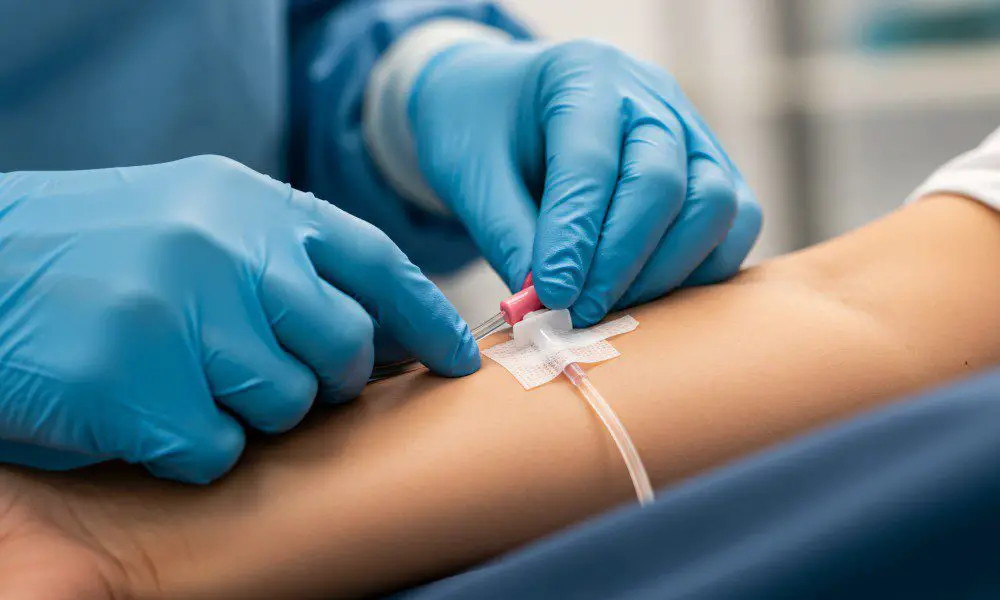
Selecting the correct intravenous (IV) catheter is a fundamental skill that directly impacts patient comfort and procedural success. A mismatch between the device and the patient can lead to multiple puncture attempts, phlebitis, or infiltration, turning a routine procedure into a painful ordeal. Medical professionals must balance clinical needs with patient anatomy to make the best choice every time. Here’s how to choose the right IV catheters for patients.
Patient Age and Vein Size
Patient demographics heavily influence your choice. Neonates and infants almost exclusively require 24-gauge catheters because their vessels are so small. Geriatric patients often present with fragile or rolling veins that demand a delicate touch and a smaller gauge, usually a 22 or 24. For average adults with healthy vasculature, a 20-gauge is often the standard. You must visualize and palpate the vein to verify that it can accommodate the catheter without trauma.
Infusion Rate and Fluid Viscosity
The type of fluid dictates the required flow rate. Standard saline hydration works well for smaller diameters, but rapid fluid resuscitation in emergency settings requires a large-bore catheter, such as a 14-, 16-, or 18-gauge catheter, to deliver volume quickly. Similarly, viscous fluids like blood products flow poorly through small lumens. You need a larger gauge to prevent hemolysis and maintain appropriate flow rates during transfusions.
Infection Control and Catheter Material
Modern catheters come in materials ranging from Teflon to polyurethane. Polyurethane softens once inside the vein, allowing for longer dwell times and increased comfort. Safety features that shield the needle tip after withdrawal significantly reduce needlestick injuries. Prioritizing these safety mechanisms protects healthcare workers while maintaining strict aseptic technique, which protects the patient from bloodstream infections.
Assessing Patients’ Medical History and Conditions
A thorough assessment reveals complications that might otherwise ruin a successful stick. Patients with a history of mastectomy, fistula, or stroke have specific restrictions on which side you can use. Dehydration collapses veins, making them difficult to access, while chemotherapy renders veins brittle and sclerotic over time. You must adjust your site and catheter selection to work around these limitations.
Cost-Effectiveness and Product Availability
Budgetary constraints influence product selection in every healthcare setting. Administrators often standardize specific brands to negotiate better pricing. Maintaining a consistent stock of necessary IV supplies in medical facilities prevents shortages during critical moments. You must weigh the benefits of premium safety catheters against the facility’s financial realities to find a sustainable balance.
Making Informed Decisions for Optimal Patient Care
Every IV start presents a unique puzzle. By considering the therapy type, patient anatomy, and device characteristics, you can choose the right IV catheter for your patient. Take the time to assess your options and choose wisely for the safety and comfort of those in your care.