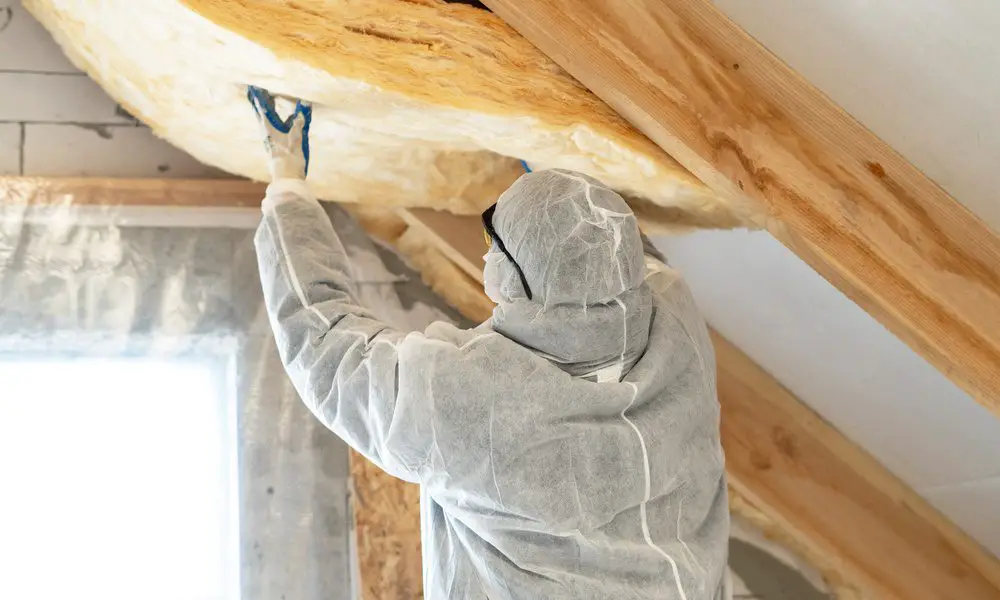
Properly insulating an attic is crucial for improving energy efficiency, maintaining comfort, and lowering utility costs. For contractors, following a detailed process ensures the job is done right and meets clients’ expectations. Insulating an attic requires careful attention to preparation, material selection, and installation techniques, so make sure to understand the steps to insulate an attic that contractors must know.
Preparing the Attic Space
The first step in insulating an attic is preparing the space. This involves a thorough inspection of the attic to identify any existing issues, such as moisture, mold, or structural damage. These problems must be addressed before proceeding with insulation to prevent further complications down the line.
Proper ventilation and air sealing are also critical at this stage. Contractors should seal gaps and cracks around vents, pipes, and penetrations to prevent air leaks that could reduce insulation efficiency. Cleaning the attic to remove debris and old, ineffective insulation paves the way for a smooth installation process.
Selecting the Right Insulation Material
Choosing the appropriate insulation material is a vital step. Common options include fiberglass batts, blown-in cellulose, spray foam, and rigid foam boards. The choice depends on factors such as the attic’s structure, the climate in the region, and the homeowner’s budget.
For example, spray foam is ideal for maximizing energy efficiency but may be costlier, while fiberglass batts are a more affordable and widely used option. Contractors must also consider the insulation’s R-value, which measures its thermal resistance, and ensure it aligns with local energy codes and client needs.
Tools and Equipment You’ll Need
Before beginning the installation, contractors need to gather the right tools and equipment to ensure efficiency and precision. Essential tools include a utility knife for cutting insulation, measuring tape, protective gloves, and safety goggles. If you decide to use spray foam, know the advantages of a heated hose to make your job go faster and reduce any unnecessary productivity loss.
Respiratory protection is critical when working with materials that release particles or fumes. Additionally, contractors should keep a ladder, lighting equipment, and a dust mask handy to ensure safety while working in tight attic spaces.
Installing the Insulation
Once the attic is prepped and the appropriate materials are chosen, the installation process begins. For fiberglass batts, contractors should carefully measure and cut the batts to fit snugly between joists and rafters without compressing the material. Blown-in insulation involves evenly distributing the material across the attic floor to achieve a consistent coverage and R-value.
When using spray foam, it is essential to apply it evenly in thin layers to avoid over-expansion. Throughout the process, contractors need to pay attention to details like covering recessed lighting fixtures, leaving ventilation pathways open, and avoiding gaps or compression that could compromise thermal performance.
Final Checks and Cleanup
After installation, performing a thorough inspection ensures the insulation is properly placed and meets performance standards. Contractors should verify the R-value coverage and ensure that no gaps or inconsistencies exist.
Ventilation systems must be checked to confirm they are free of obstructions. Cleanup is an equally important step; removing leftover materials, dust, and debris leaves the attic space ready and safe for the homeowner. This final touch leaves a lasting impression of professionalism and attention to detail.
Proper attic insulation is key to maximizing energy efficiency, improving home comfort, and reducing long-term costs, so contractors must understand the proper steps for installing attic insulation. By carefully preparing the space, selecting the right materials, and following expert installation practices, both homeowners and contractors can ensure superior results.