Huge machines like dump trucks might look simple from the outside, but there’s actually a lot of cool engineering going on under the hood. It’s pretty wild when you stop and consider just how much power it takes to lift tons of dirt, gravel, or construction debris without breaking a sweat. If you’ve ever been curious about how dump trucks actually work, you’re definitely in the right place to get the scoop without needing an engineering degree. Let’s pop the hood and see what makes these heavy lifters tick.
It All Starts with a Powerful Engine
A dump truck’s heart is its massive diesel engine. These aren’t your typical car engines. They’re built for torque, which is the rotational force needed to move extremely heavy loads from a complete stop. This power is sent through a heavy-duty transmission with multiple gears. This setup allows the driver to have precise control whether the truck is on a flat highway or climbing a steep, muddy hill at a job site.
The Frame Is Its Backbone
The truck’s chassis, or frame, is a super-strong steel ladder structure. It has to support the weight of the engine, the cab, the dump box, and a full load of material, which can weigh tens of thousands of pounds. This rigid frame is designed to flex just enough to handle uneven ground without breaking. It provides the foundation for everything else on the truck, connecting the wheels, suspension, and the dumping mechanism.
Hydraulics Do the Heavy Lifting
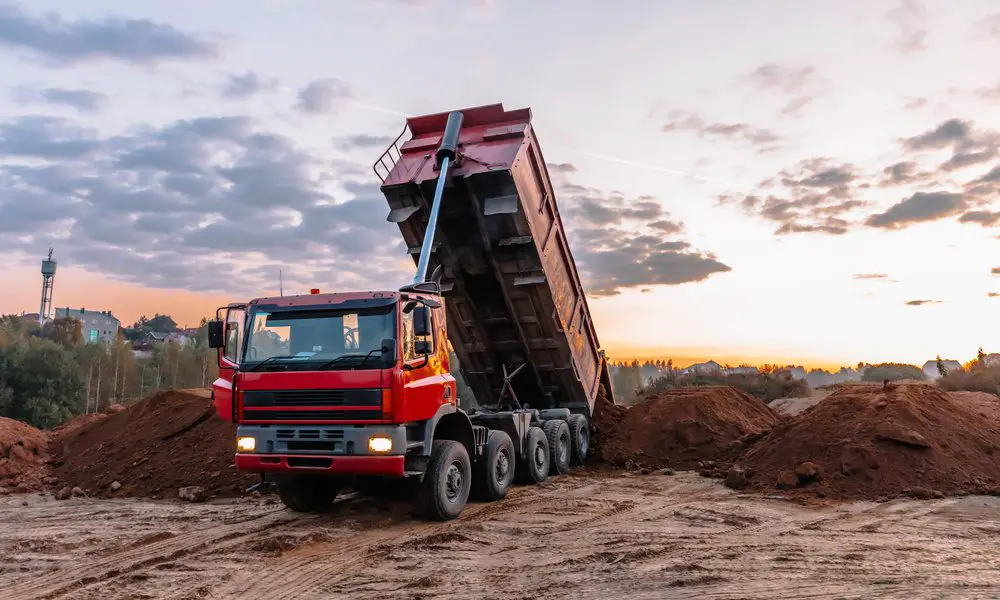
The real magic happens with the hydraulic lift system. A pump, powered by the truck’s engine, pushes special hydraulic fluid into a large cylinder mounted under the front of the dump box. As this cylinder fills with fluid, a piston extends and pushes the box upward, causing it to tilt and dump its contents. It’s a simple principle of fluid pressure, but it generates an incredible amount of force to lift immense weight.
Maintaining the Hydraulics
Because the hydraulic system is so important to a dump truck’s operation, owners have to take great care to maintain them. If the hydraulics were to stop working, the truck couldn’t do its job at all. This involves regular checks of fluid levels and looking for leaks in the hoses and seals. Proper maintenance prevents breakdowns and keeps these powerful machines running safely and efficiently on site.
The Dump Box Has a Specific Design
The bed, or dump box, is made of reinforced steel or aluminum to withstand the impact of heavy materials like rock and gravel. Its shape is also intentional. The sides are slanted to help the material slide out smoothly and completely when the box is raised. Some dump trucks even have a mechanism to heat the box using the engine’s exhaust. This prevents wet materials from freezing and sticking to the bed in cold weather.
The Bottom Line on Big Rigs
Next time you pass a construction site, you won’t just see a big loud vehicle. You’ll know exactly what’s happening when that bed rises toward the sky. It’s a neat combination of hydraulics, mechanics, and physics working together. We hope this helped explain things if you were curious about how dump trucks actually work. They’re fascinating machines that keep our world building and moving forward!