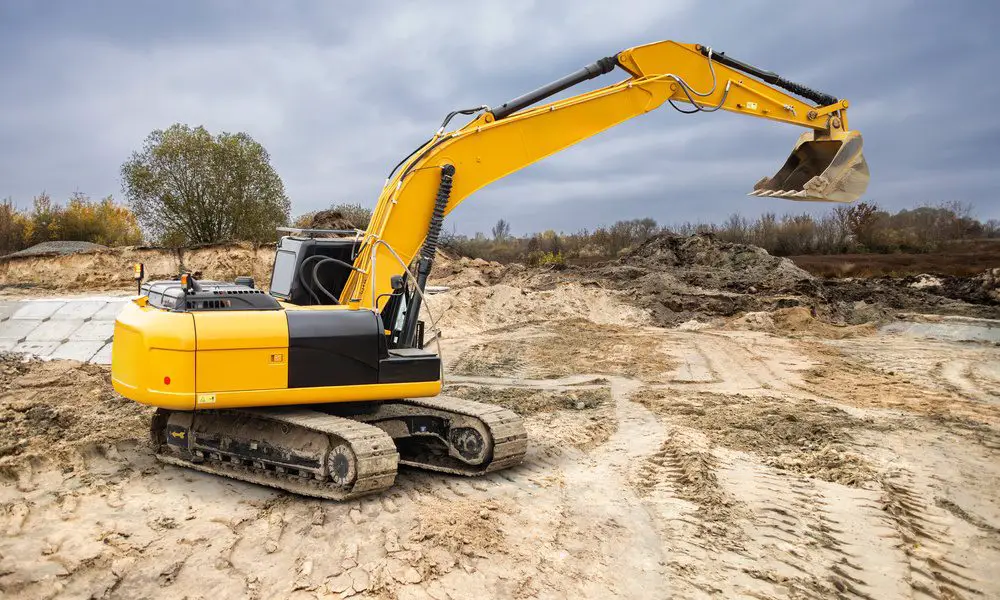
A slow-moving excavator is one of those problems that feels small until it starts wasting considerable amounts of time, fuel, and patience. One minute, the machine is fine, and the next, it feels like it is dragging itself across the jobsite for no good reason. The good news is that slow excavator travel speed usually comes down to a handful of common issues, and most of them make sense once you know where to look.
1. Low Hydraulic Flow or Pressure
Excavators live and die by hydraulics. If the machine is not getting the right flow or pressure, the travel speed drops fast. Low hydraulic oil, clogged filters, worn pumps, drifting relief valves, or internal leakage can all make the machine act a bit lazier than usual. It is a bit like trying to sprint while breathing through a straw. The excavator might still move, but it will not move the way it should.
2. Engine Power Loss
If you’ve checked the hydraulics and they seem fine, but are still causing issues, it could actually be an engine problem. If the engine is struggling due to fuel problems, restricted airflow, overheating, or low RPM, the whole machine can slow down, particularly with the hydraulics. In that case, the travel issue is really a power issue. If every function feels weaker than usual, not just travel, the engine deserves a close look before blaming the hydraulic system alone.
3. Travel Motor or Final Drive Trouble
When the travel motor or final drive starts wearing out, the machine may feel weak, hesitate under load, or struggle on slopes and turns. This is one of those problems that operators often notice before they can explain it. The machine just feels off. Internal wear, leaks, overheating, or poor case-drain flow can all rob the tracks of power and make normal travel feel painfully slow. Just make sure you know how to choose the right travel gearbox for your CAT excavator when the time comes.
4. Electrical or Speed-Control Faults
Modern excavators rely on sensors, solenoids, and controls to manage speed and power. If one of those pieces stops doing its job, the machine can get stuck in a slower mode or respond badly even when the mechanical parts are fine. That is why a machine can feel slow without showing an obvious leak or broken part. Sometimes, the issue causing slower excavator travel speeds simply comes down to bad component communication.
5. Undercarriage Drag
While it might sound a little obvious, if the tracks are too tight, packed with mud, or rolling over worn idlers and rollers, this can create extra resistance, slowing things down. It is the equipment version of riding a bike with the brakes rubbing. The machine may still get where it is going, but it is going to feel sluggish the whole time. That’s why it’s important to give your machine a thorough check before buying new parts.