In today’s competitive marketplace, companies are constantly navigating the challenge of balancing performance and cost in product development. Whether creating consumer goods or specialized components, the goal remains the same: deliver reliable performance without exceeding budget constraints. Achieving this balance requires thoughtful decision-making at every stage, from initial design to material selection and manufacturing processes.
The Impact of Material Selection
One of the most critical factors in this equation is material choice. The materials used in a product directly impact its durability, weight, flexibility, and overall performance. At the same time, they influence production costs and long-term maintenance.
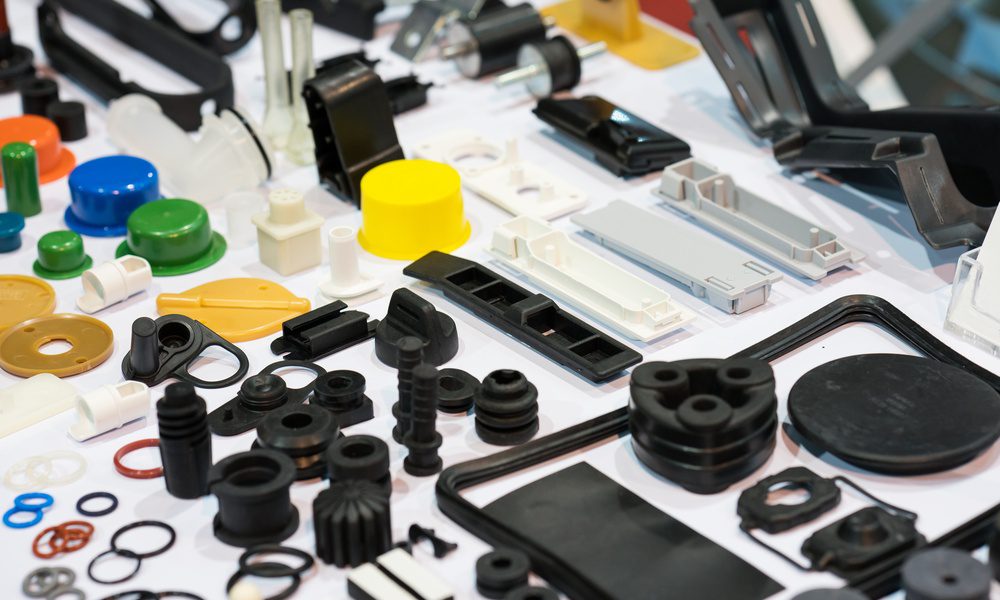
Engineers must evaluate not only how a material performs under specific conditions but also how efficiently it can be sourced and processed. In many cases, plastics offer a strong balance between cost and performance, especially when tailored to meet precise specifications. A closer look at how custom plastic components improve performance shows how customization can reduce excess material use while enhancing functionality.
Designing for Efficiency and Value
Design optimization also plays a major role in cost control. Products that are overengineered often include unnecessary features or excess material, driving up costs without delivering meaningful performance gains.
On the other hand, underengineered products may fail prematurely, leading to costly repairs or replacements. Striking the right balance means refining designs to meet performance requirements without adding complexity. Techniques such as simulation, prototyping, and iterative testing allow teams to identify the most efficient configurations before moving into full-scale production.
Manufacturing Methods and Cost Control
Manufacturing methods further influence both performance and cost outcomes. Processes like injection molding enable high-volume production with consistent quality, but they require upfront investment in tooling. For companies producing large quantities, this investment often pays off through reduced per-unit costs.
Additionally, advancements in manufacturing technology have made it easier to produce complex shapes and integrated features, which can eliminate the need for additional parts and assembly steps. This not only improves product performance but also streamlines production.
Considering the Full Product Lifecycle
Another important consideration is the product’s lifecycle. Focusing solely on upfront costs can lead to higher expenses over time if a product requires frequent maintenance or replacement.
Durable, well-designed products may carry a slightly higher initial cost but often result in lower total cost of ownership. Businesses that take a long-term view are better equipped to evaluate trade-offs and make decisions that support both performance and profitability.
A Strategic Approach to Product Development
Achieving the right balance between performance and cost in product design and development is not about choosing one over the other. It’s about aligning design, materials, and manufacturing strategies to create products that meet performance expectations while remaining economically viable. Companies that approach this challenge strategically are more likely to produce high-quality products that stand out in the market while maintaining sustainable margins.