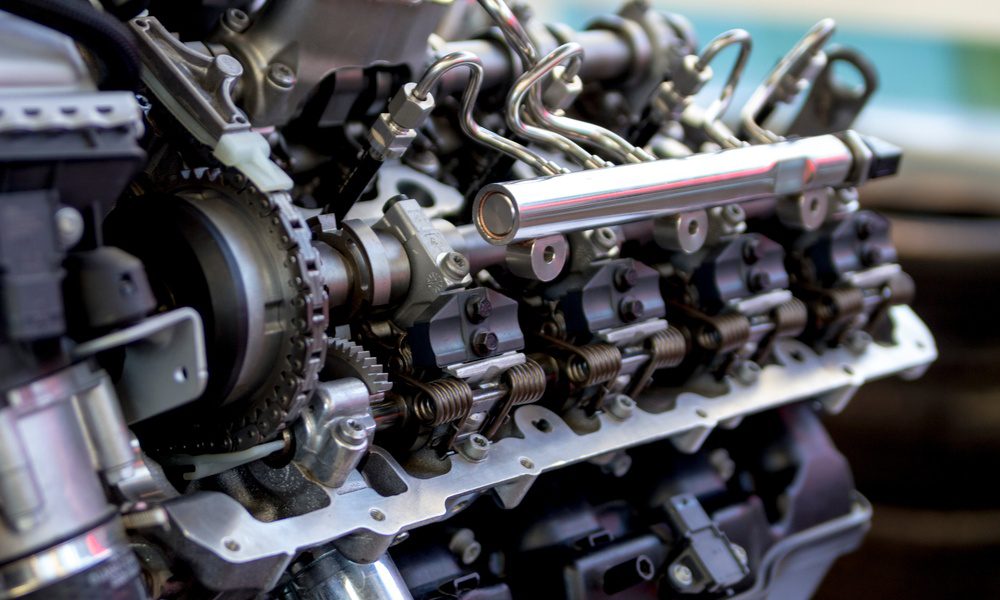
Diesel engines are powerhouses of innovation and efficiency. Their reliability and strength have made them favorites for heavy-duty use, but there’s much more to these engines than meets the eye. Whether you’re a gearhead or just someone curious about how things work, you’ll love these six facts about diesel engines you probably didn’t know.
1. Diesel Engines Are Built to Last
Diesel engines, invented by Rudolf Diesel in 1893, are incredibly durable, often lasting up to 300,000 miles with proper maintenance. Unlike gasoline engines, they work at higher compression ratios, which makes them especially resilient under heavy loads. Their efficiency, power, and longevity continue to make them ideal for trucks, heavy-duty machinery, and off-road vehicles.
2. Diesel Is Packed With Energy and Power
Diesel fuel contains more energy per gallon than gasoline, making it a favorite for transport and heavy-duty work. This energy-dense fuel enables vehicles such as trucks and buses to accomplish tough tasks while maintaining efficiency. Diesel engines also dominate heavy-duty transport thanks to their torque-heavy performance. They excel in moving heavy loads, whether you’re hauling freight or trekking off-road.
3. Turbochargers Are Torque Titans
Modern diesel engines thrive on turbochargers that compress intake air for better combustion and higher power output. This process creates the thrilling torque diesel lovers seek. If you’re looking to boost torque on a budget, consider investing in an upgraded turbo and tuning. Together, these deliver incredible results without forcing you to overspend.
Maintaining your diesel turbocharger ensures these performance gains last, preventing buildup or wear that could reduce efficiency. Pairing a turbocharger with lighter components also improves torque, acceleration, and handling, giving small upgrades a big impact.
4. Diesel’s Versatile Fuel Options
Diesel engines adapt to alternative fuels like biodiesel, which is derived from renewable sources such as vegetable oil or animal fat. Not only does biodiesel reduce dependency on petroleum, but many modern diesel engines can run on blends of biodiesel and traditional diesel. This offers an eco-friendly yet efficient way to power vehicles and machinery. The potential for versatility and sustainability keeps diesel engines relevant even in a rapidly changing world.
5. Submarines Once Depended on Diesel
Though submarine engines might not pop up in everyday conversations, they were once diesel-powered masterpieces. Early submarines harnessed diesel engines to charge batteries on the surface, relying on them to operate stealthily underwater. Today, some non-nuclear submarines still utilize diesel engines paired with electric systems for propulsion. This historical use demonstrates diesel’s unmatched versatility and reliability in challenging environments.
6. Modern Diesel Engines Are Quieter Than Ever
If you associate diesel engines with loud clunking noises, think again. Modern advancements have significantly reduced diesel engine noise. Innovations such as common rail fuel injection and better insulation have made diesel engines quieter and more refined, ensuring a smoother and more enjoyable driving experience without sacrificing performance.
Why Diesel Is the King of Performance
From their remarkable efficiency to their unmatched durability, diesel engines play a pivotal role in powering the world. They’re under the hoods of heavy-duty trucks, running industrial equipment, and making undeniable contributions to society.
Diesel engines have stories to tell about innovation, power, and reliability. With these six fascinating facts about diesel engines, you’ve now got plenty of fuel for thought the next time you hit the road!