If you’ve started looking into the different types of epoxy flooring, you’ve probably noticed one thing right away: these floors don’t all do the same job. Some work better in busy commercial spaces. Others fit homes, garages, or places where appearance plays a bigger role. So what actually sets them apart? A closer look at each option gives you a much better sense of what belongs where.
Self-Leveling Epoxy Flooring
Self-leveling epoxy flooring creates a smooth, seamless surface that works well in garages, basements, showrooms, and commercial spaces. It spreads evenly before it cures, which helps cover small cracks, shallow dips, and minor surface wear in the concrete below.
The result is a flat finish with a clean, uniform look. People choose this type when they want a floor that handles foot traffic well, wipes down easily, and gives the space a more finished appearance.
Mortar Epoxy Flooring
Mortar epoxy flooring is one of the toughest options in this category. It combines epoxy resin with graded sand or quartz to create a thick, hard-wearing surface built for heavy use. This type shows up in warehouses, industrial plants, repair shops, and other spaces where floors take constant impact. It also works well on damaged concrete because the thicker application can help cover deeper wear. People pick mortar epoxy when strength, durability, and long-term performance come first.
Metallic Epoxy Flooring
Metallic epoxy flooring stands out because of its movement and depth. Pigments mixed into the coating create a surface with swirls, ripples, and a high-contrast finish that looks different from one floor to the next. No two installations come out exactly alike. This type is common in retail spaces, restaurants, salons, and residential interiors where appearance carries real weight. It still offers the easy cleaning and solid surface people expect from epoxy, but the main draw is the custom visual effect.
Quartz-Filled Epoxy Flooring
Quartz epoxy flooring is a durable system that includes decorative quartz granules sealed within epoxy resin. These granules can improve slip resistance and add color variation across the floor. One of the main reasons people choose quartz epoxy flooring over the options on this list is because it performs well in spaces where safety, texture, and daily wear all need attention. You’ll see it in locker rooms, restrooms, schools, and healthcare settings for exactly that reason.
Flake Epoxy Flooring
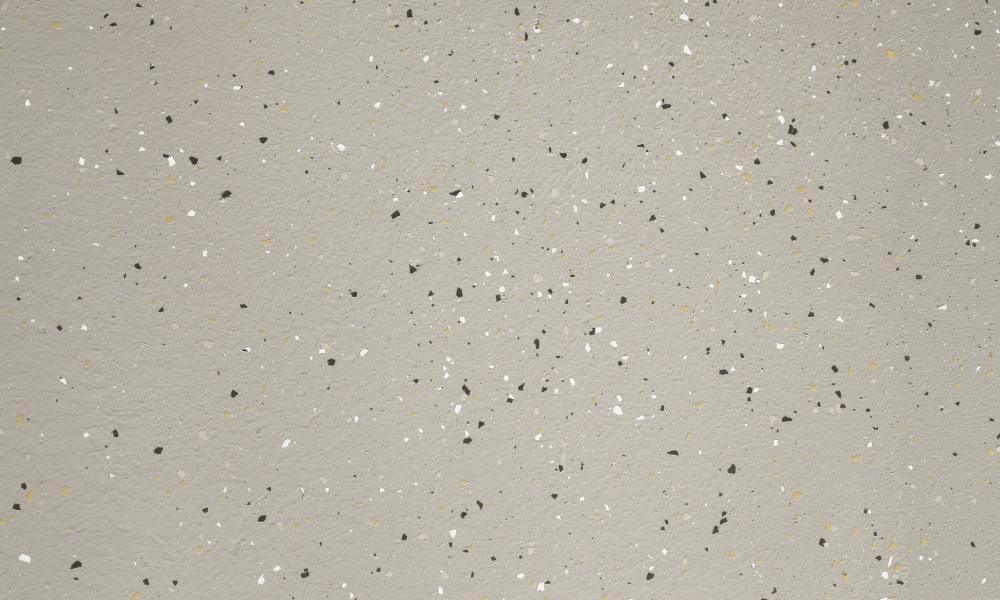
Flake epoxy flooring has small vinyl chips scattered across the coating before the top layer seals everything in place. Those flakes break up the surface visually, which helps hide dust, small marks, and everyday wear better than a solid-color floor. Garages, gyms, break rooms, and retail spaces use this style a lot because it adds grip and gives the floor a more textured look without making cleaning difficult. It’s a practical option for spaces that need durability without a plain finish.
Which One’s Right for Your Space?
Once you break down the different types of epoxy flooring, the choices start to feel a lot more practical. Each one has its own purpose, appearance, and surface feel, so the right fit comes down to how the space gets used every day. Is appearance the top priority? Is traction important? Does the floor need to handle heavy wear? Those answers point you in the right direction.