Choosing a final resting place for someone you love is personal and often challenging. Families and cemeteries want something that feels right, whether rooted in tradition, faith, or practicality. While burial customs vary across cultures and beliefs, some methods have become standard options at cemeteries nationwide.
Traditional In-Ground Burial
Traditional in-ground burial remains the most common type. The body rests in a casket lowered into a grave, typically marked with a headstone or monument. Many families appreciate the permanence and ritual this method provides.
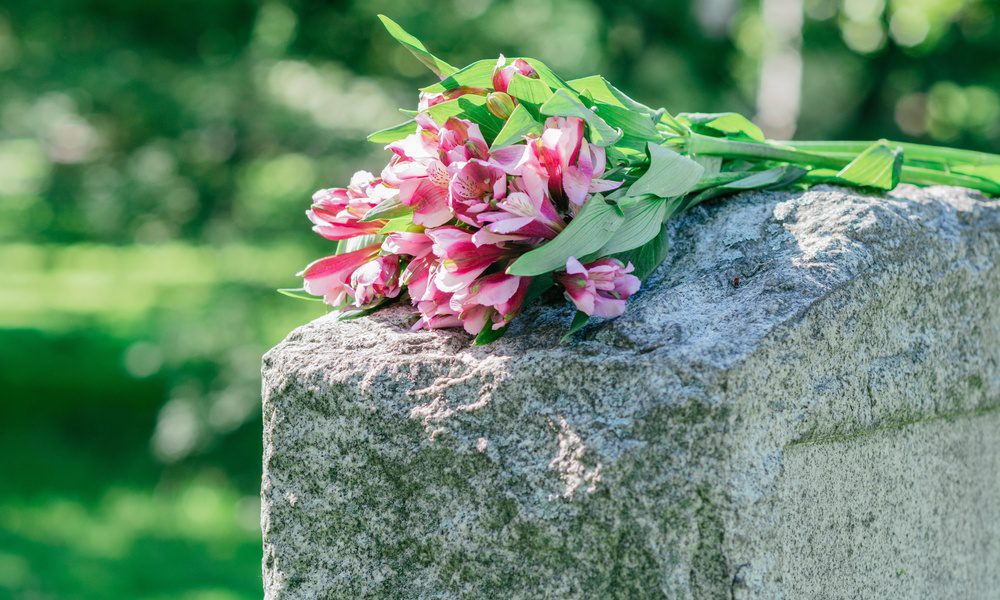
Religious traditions often guide this choice. Christian, Jewish, and Islamic practices, for example, emphasize burial in the ground. Families can visit the gravesite, leave flowers, and maintain a physical connection to their loved ones. Traditional burials also offer flexibility in casket materials, burial vaults, and memorial personalization.
Cremation With Urn Burial
Cremation has surged in popularity over the past few decades. After cremation, families can choose to bury the urn in a cemetery plot, often in a smaller space than a traditional casket burial. This option reduces costs while still providing a permanent resting place.
Some families prefer urn burial because it allows flexibility. You can inter the urn in a family plot, a dedicated cremation garden, or even a columbarium niche. Cremation also appeals to those who want a simpler, less elaborate service while keeping the remains in a sacred location.
Columbarium Niche Placement
Another common type of burial is a columbarium, a structure designed to house cremated remains in individual niches. Each niche can hold one or more urns and feature a personalized plaque. Columbaria offer a dignified, space-efficient option for cemeteries dealing with limited land.
This burial type is especially relevant in urban areas where space is at a premium. Adding a columbarium to a cemetery helps accommodate more families while maintaining a peaceful environment. Families appreciate the ease of access and comfort of visiting a specific, marked location.
Green or Natural Burial
Green burials emphasize environmental sustainability without embalming chemicals, with the buried body placed in a biodegradable casket or shroud and returned to the earth naturally. This method appeals to those who prioritize ecological responsibility.
Natural burial grounds often look more like meadows than traditional cemeteries. Families may mark the site with a native plant or a simple stone rather than a large monument. This option reflects a growing awareness of environmental impact and a desire to leave a lighter footprint.
Mausoleum Entombment
Mausoleums are above-ground structures that house caskets in crypts. These burial sites can be private family mausoleums or community structures with multiple crypts available for purchase. Mausoleum entombment offers protection from the elements and a stately memorial option.
Some families choose a mausoleum burial for religious reasons or personal preference. It provides a dignified resting place that doesn’t require in-ground interment. Visitors can pay respects in a sheltered, often beautifully designed space that honors the deceased with lasting grandeur.