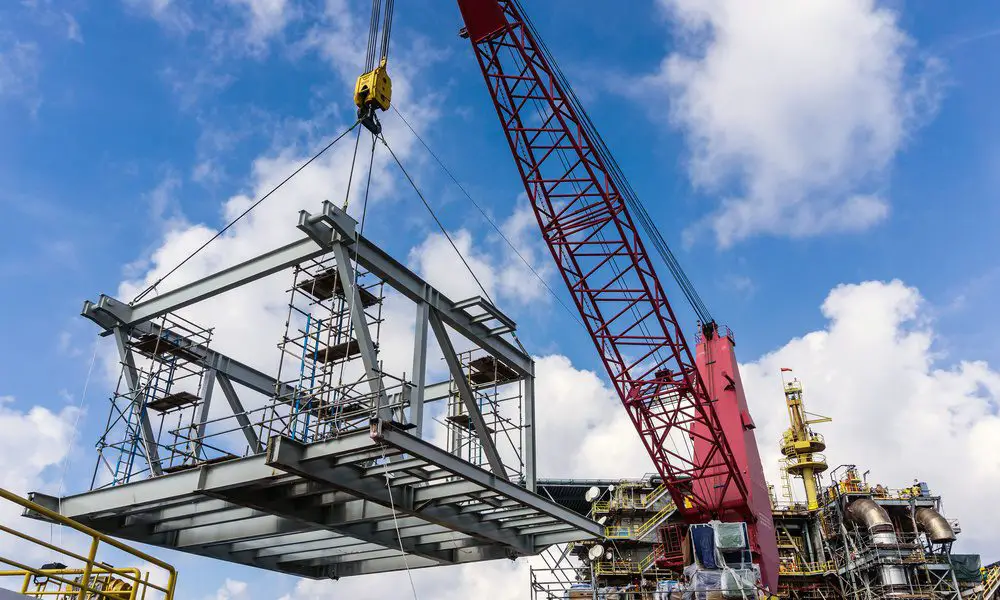
Construction sites continue to adopt new technology that improves safety, efficiency, and precision. Autonomous cranes now stand at the center of this shift as companies explore ways to reduce risk and increase productivity. Advanced sensors, AI software, and automated controls allow cranes to perform complex lifts with less direct human input.
These systems guide movement with impressive accuracy while supporting operators who oversee the process. As innovation spreads across the industry, many professionals now ask whether autonomous cranes will become the norm on construction sites.
Autonomous crane technology relies on sensors, cameras, GPS, and advanced control systems. These tools allow cranes to analyze their surroundings and execute lifts with high precision. Software maps job sites, calculates weight distribution, and adjusts movements in real time. Engineers design these systems to make complex lifts safer and more reliable.
Construction teams still supervise the process, but automation reduces manual guesswork and improves consistency. Modern cranes also connect with project management software that tracks progress and lift schedules. This integration helps crews coordinate tasks more effectively and maintain a steady workflow across large construction sites.
Safety remains a top priority across the construction industry, and autonomous cranes help construction crews achieve this goal. Automated controls reduce sudden movements and maintain steady lift speeds. These systems also help crews prevent damage when lifting slabs, steel beams, and other heavy materials.
Sensors detect obstacles and adjust crane paths before problems occur. Operators receive alerts when loads exceed safe limits or when on-siteconditions change. This technology helps reduce accidents while protecting valuable materials. Construction managers gain greater control over lifting operations, thereby strengthening safety standards across projects of all sizes.
Autonomous cranes also support faster and more organized construction schedules. Automated systems perform lifts with consistent accuracy, which reduces delays caused by human error. Crews complete repetitive lifting tasks with greater speed while maintaining careful control. Digital systems also analyze lift data to improve future operations.
Teams gain valuable insight into load weight, movement patterns, and crane performance. These improvements allow project managers to plan more efficient workflows. Autonomous cranes also handle various building materials, including steel and aluminum, which are common types of metal used in the construction industry.
The construction industry still faces several hurdles before widespread adoption occurs. Many companies are slow to implement these systems due to high equipment costs and training requirements. Skilled operators must learn how to manage automated systems while maintaining traditional crane knowledge. Construction firms must also update their safety policies and site procedures to align with new technology.
Despite these challenges, many companies continue to test autonomous crane systems on large projects. As technology improves and costs decrease, adoption will likely increase across the industry. Innovation continues to shape how cranes support modern construction work.
Autonomous cranes demonstrate how automation can improve safety, precision, and efficiency in demanding environments. Construction companies that invest in these systems gain tools that support better planning and smoother operations. Whether autonomous cranes will become the norm on construction sites will shift from speculation to everyday reality sooner than you might think.
These essential checks for your jet ski help improve reliability and reduce issues on the…
A reliable pickup truck will help you make the most of pumpkin patch season with…
Learn when a Canada Temporary Resident Permit may help overcome inadmissibility and support necessary travel.…
For crews using ultra-high-pressure water blasting for coating removal and pipe maintenance, find out which…
When maintenance teams look across a production floor, large machines naturally command most of their…
Improve chemical purchasing with clear review standards that help facilities manage risk, support safer operations,…