A power outage can turn an ordinary evening into a scramble for flashlights, extension cords, and a way to keep the refrigerator cold. A backup generator offers some relief, but the equipment alone doesn’t guarantee a smooth experience. Your home’s electrical demands, generator placement, fuel supply, and maintenance habits all affect how well the system performs.
Exploring ways to upgrade your backup power setup at home will help you create a more dependable system without unnecessary expenses. Start with the upgrades below, then explore the available solutions to address generator noise and outdoor protection.
Before purchasing new equipment, take a closer look at what your home needs during an outage. A generator that supports a refrigerator and a few lights has a different workload than one responsible for central air conditioning, a well pump, and multiple appliances. Understanding your household’s electrical demands can help you avoid equipment that doesn’t suit your needs.
Create a list of devices you’d prefer to keep operational. Separate everyday conveniences from appliances that directly affect your household’s comfort and safety. This gives you a clearer picture of your electrical demands and helps you prioritize available power.
Extension cords can become inconvenient when several rooms need electricity. They also create clutter across doorways, hallways, and other high-traffic areas. A transfer switch provides a more organized approach to household backup power.
A professionally installed transfer switch allows you to supply selected household circuits with generator power. It isolates the home’s electrical system from utility lines and prevents dangerous backfeed. This arrangement also reduces the need to run individual extension cords throughout your home.
Manual transfer switches require you to change the power source yourself. Automatic models can detect an outage and initiate the transfer with compatible equipment. Ask a licensed electrician to recommend a setup that suits your generator, electrical panel, and household priorities.
Generator placement affects safety, accessibility, and the overall experience during an outage. A poor location can expose the equipment to excess moisture, create inconvenient cable routes, or direct exhaust toward occupied spaces. A suitable outdoor location can address several of these concerns.
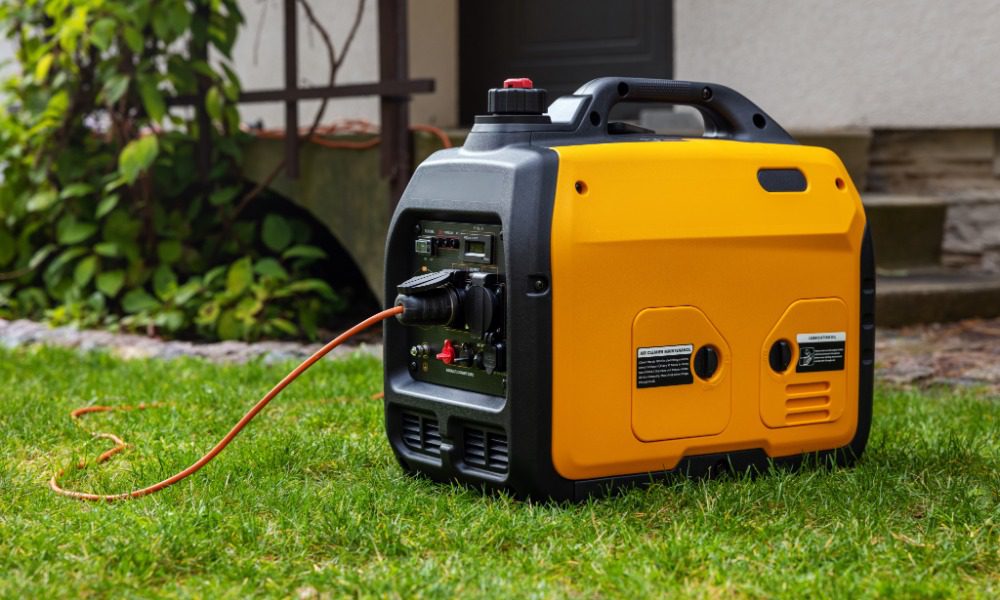
Portable fuel-powered generators belong outdoors, at least 20 feet from the house. Remember to always aim exhaust away from windows, doors, and vents. Manufacturer instructions and local requirements may call for additional clearance. Never operate a portable fuel-powered generator inside a garage, basement, or other enclosed space.
Choose a firm, level surface that supports the generator’s weight. Avoid low areas that collect rainwater or become muddy after a storm. You’ll also appreciate a clear path to the generator when you need to check its fuel level or perform routine maintenance.
Backup generators aren’t particularly quiet, especially under heavy electrical loads. Their sound can travel across a patio, through nearby windows, and into neighboring yards. Excess noise can become frustrating during outages that last several hours or longer. Luckily, you will find many effective quiet solutions for home backup power.
Noise reduction can improve the experience for everyone around your home. Start with a stable generator surface and inspect the equipment for loose components that contribute to excess vibration. A purpose-built acoustic enclosure offers another option for compatible generators. These products can help address unwanted noise without the need for a homemade structure. Review compatibility, exhaust clearance, ventilation requirements, and manufacturer instructions before selecting an enclosure.
A generator is only useful for as long as it has an adequate fuel supply. During extended outages, local gas stations can lose power or experience unusually high demand. A practical fuel plan can help you prepare for these interruptions.
Consider how much fuel your generator consumes under typical household loads. Manufacturer fuel-consumption charts can help you estimate runtime at different output levels. These estimates can guide your decisions about fuel quantities and generator use.
For portable gasoline generators, use approved containers and store fuel outdoors in a suitable location away from ignition sources. Follow manufacturer guidance for fuel stabilizers and storage duration. Homeowners with compatible dual-fuel generators can also evaluate propane, although tank capacity, temperature, and generator load still affect available runtime.
Not every device needs a generator to remain operational. Battery backup systems can support smaller electrical loads and provide immediate power during short interruptions. They can also reduce the number of devices connected directly to your generator.
An uninterruptible power supply, or UPS, can protect compatible electronics from abrupt shutdowns. This can be particularly useful for computers, network equipment, and home office devices. Portable power stations offer another option for selected appliances and electronics, with runtime dependent on battery capacity and electrical demand.
For example, a homeowner could reserve generator power for refrigeration and larger household loads. A battery station could then support phones, laptops, and small electronics. This arrangement creates more flexibility during an extended outage.
A more efficient home can reduce the workload placed on your backup generator. This may allow you to reserve available power for appliances that deserve priority during an outage. You can start with improvements that also reduce everyday electricity consumption.
LED bulbs are a practical place to begin. They consume considerably less electricity than traditional incandescent bulbs and can provide adequate light throughout the home. Energy-efficient refrigerators and other appliances can also reduce electrical demand.
If you’re already due for an appliance replacement, compare energy consumption alongside the purchase price. You can also turn off unnecessary devices and avoid simultaneous use of high-wattage appliances during generator operation. These adjustments help you manage the available power without a complete equipment overhaul.
The best ways to upgrade your backup power setup at home involve more than purchasing additional equipment. Thoughtful generator placement, sensible electrical priorities, reliable fuel access, and regular maintenance all contribute to a system that’s easier to use. Each improvement can address a different concern and help your household prepare for unexpected outages. Start with the areas that create the most inconvenience during an outage. Address those concerns first, then develop a practical plan for future improvements.
If you don’t know how temperature changes can affect your car every year, dive into…
Back pain can gradually become one of the most frustrating health problems, affecting everything from…
Improve jobsite safety with practical HDD drilling precautions, equipment inspections, and utility awareness to help…
Plan a memorable Salem getaway with historic walking tours, waterfront dining, fascinating museums, and charming…
Create cleaner embroidery designs with practical tips for fixing thread breaks, puckering, skipped stitches, and…
Learn how to build a shipping container office with practical guidance on site preparation, insulation,…