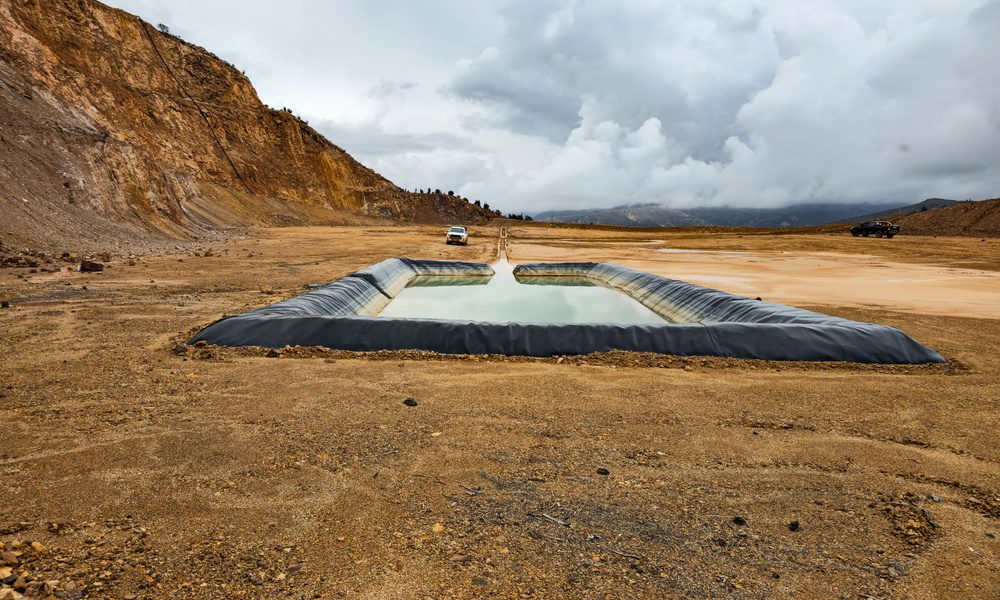
A containment pit can look perfectly fine on installation day. The liner lies neatly against the slopes, and the crew packs up. Then a leak appears, or the pit’s contents start weakening the material. Suddenly, that attractive upfront price doesn’t seem like such a bargain.
A well-chosen liner supports daily operations and helps protect the surrounding ground. Choosing the wrong pit liner can trigger higher costs and get expensive.
Two liner quotes may look similar until you examine what each supplier includes. One price might cover material alone, while another accounts for fabrication or installation support.
If you choose solely by the lowest number, unexpected expenses can surface when the crew arrives. Extra field seams and additional labor can quickly narrow the difference between bids.
Ask suppliers to explain the full scope of their proposals. Compare specifications and installation requirements before choosing.
A liner that handles clean water won’t necessarily perform well around industrial fluids. Oils and chemical mixtures can affect geomembrane materials differently, especially during prolonged exposure.
The wrong choice may lose strength or develop damage that compromises containment. Your team could then face the cost of removing liquid before replacing the liner.
Tell the supplier exactly what the pit will hold, including any cleaning agents or byproducts that may enter later. Request compatibility information for the anticipated concentrations and operating conditions. Don’t assume a product works simply because another facility uses it successfully.
It’s tempting to compare liners by thickness and buy whichever product looks strongest on paper. However, thickness alone doesn’t reveal resistance to punctures or tears.
Reinforced polyethylene and other geomembranes use different constructions, so a thicker sheet isn’t automatically the most suitable option. Flexibility also affects how a liner conforms to the pit.
Evaluate material properties against the site’s demands instead of focusing on a single measurement. Paying for unnecessary thickness wastes money, but overlooking needed strength may create an even larger expense.
Even a suitable liner can fail when crews don’t prepare the site for a containment pit properly. Sharp rocks or exposed roots can press into the material as the pit fills.
Those small contact points may lead to punctures that escape notice until liquid starts disappearing. Finding the source can require draining part of the pit and exposing the damaged area.
Remove debris and smooth the excavation before installation. If the soil needs additional support, ask the project engineer about appropriate bedding. A clean foundation costs less than reopening the entire pit after a preventable leak.
A liner needs enough material to follow the bottom and side slopes without excessive tension. A quick measurement across the opening doesn’t account for the full surface area.
If the liner arrives too small, workers may need additional panels and unexpected seam work. A poor fit can also pull against anchoring points once the pit fills.
Confirm the engineered dimensions before ordering. Include the required anchoring allowance and any changes in slope.
Crews often connect liner panels to cover larger excavations. The joining method depends on the material, and careless seam work can create vulnerable areas.
A seam failure may force the team to isolate the pit and arrange repairs. Those delays can disrupt operations even when the damaged section seems small.
Discuss panel sizes with the supplier before delivery. Factory-fabricated panels may reduce the number of field seams for suitable projects, although installers still need to inspect and test connections as the specifications require.
Sun exposure and changing temperatures affect liner materials in different ways. A product that performs well under protective cover may not suit a pit that remains exposed for years.
Strong wind can complicate deployment, while rain can damage the prepared soil surface before installation begins. Delays can add equipment rental charges and extra crew time.
Explain how long the pit will operate and whether the liner will face direct sunlight. Plan installation around the forecast, and select material with performance characteristics that suit the exposure.
A liner may stretch over the pit beautifully but still require reliable support around its edges. Wind and changes in liquid level can place stress on the perimeter.
If the material slips, wrinkles, or pulls away from the edge, workers may have to drain the pit to correct the problem. Improvised fixes can create fresh damage.
Follow the engineered anchoring details and allow room for anchor trenches before delivery. Talk with the installer about how the crew will handle corners and changes in slope. Good edge support protects the entire installation.
Stormwater can flow toward a containment pit when the surrounding grade directs runoff into the excavation. Excess water may reduce available capacity and complicate liquid management.
Water beneath a liner can create additional problems, especially if groundwater pressure lifts the material.
Work with the project engineer to address surface runoff and groundwater during the planning stage. A well-designed drainage approach helps prevent expensive interruptions after the pit begins operating.
Containment sites rarely stay untouched. Crews may move hoses or equipment around the pit, and accidental contact can damage an exposed liner.
A puncture might require specialized repair work, followed by inspection before operations resume. If the damage goes unnoticed, cleanup expenses can grow.
Think about where workers will stand and how they will access the pit. Ask whether protective layers or designated access points suit the application. Preventing routine work from reaching the liner can extend its useful service life.
The price of patching a liner may represent only a small share of the total loss. A leak can interrupt production and require pumping or disposal services.
If liquid reaches the surrounding soil, the site may need additional assessment and cleanup. Depending on the contents and local requirements, the operator could also face reporting obligations or regulatory costs.
These consequences explain why containment deserves careful design rather than last-minute purchasing. Confirm applicable permit requirements with the proper authorities and involve qualified professionals before construction begins.
Some liner materials and installation details make inspections or repairs easier than others. If your team can’t safely access a section, even a minor problem can become inconvenient.
Ask how the supplier recommends checking the liner during its service life. Learn which repair methods suit the material and whether qualified technicians can support your location.
Keep installation records and manufacturer information where the operations team can find them. A realistic maintenance plan helps you spot damage before it becomes a major project.
Choosing the wrong pit liner gets expensive because the consequences rarely stop at the material itself. Labor costs can rise while operations stop. A spill may also require costly cleanup.
Start with the liquid you need to contain, then consider the excavation and expected service conditions. Work with a knowledgeable liner supplier and your project engineer to evaluate the complete system. The right choice may not offer the lowest initial quote, but it can help you avoid paying for the same pit twice.
Your child says something that sounds like your late parent, and grief catches you off…
From hand hygiene to equipment sterilization, infection prevention takes consistent work. Discover the biggest risks…
If you don’t know how temperature changes can affect your car every year, dive into…
Discover practical ways to upgrade your home backup power setup, from fuel storage to noise…
Back pain can gradually become one of the most frustrating health problems, affecting everything from…
Improve jobsite safety with practical HDD drilling precautions, equipment inspections, and utility awareness to help…