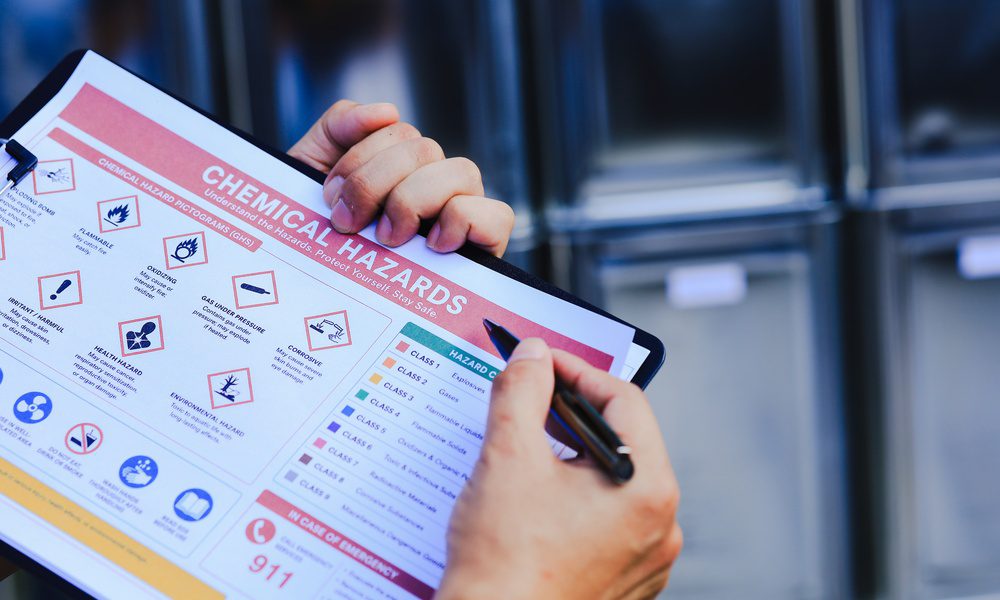
Businesses that work with hazardous materials need a safe, organized place to store them. Chemicals, fuels, compressed gases, corrosive substances, and other hazardous products can create serious risks when employees store or handle them incorrectly. Proper storage helps protect workers, facilities, equipment, and the surrounding environment. It can also help businesses follow applicable safety and environmental requirements. Whether your operation keeps a few hazardous products on-site or manages a large inventory, understanding the basics of hazmat storage can help you create a safer and more efficient workplace.
Start by Understanding What You Store
Before you choose a storage solution, identify every hazardous material that your facility handles. Different materials create different risks, so one storage method will not work for everything.
Review product labels and Safety Data Sheets (SDS) to understand each substance’s hazards. Pay attention to characteristics such as flammability, corrosiveness, toxicity, reactivity, and environmental hazards. You should also determine how much material your facility normally keeps on-site.
A detailed inventory makes planning much easier. It also helps employees quickly determine what materials they have available and where they should store them.
Separate Incompatible Materials
Hazardous materials can create additional dangers when incompatible substances come into contact with each other. Some chemicals may generate heat, toxic gases, fires, or other dangerous reactions when mixed.
Organize your storage area according to chemical compatibility rather than simply placing similar-looking containers together. Acids, bases, oxidizers, flammable materials, and reactive chemicals may require separate storage areas.
Check the SDS and manufacturer recommendations when determining compatibility. Clear storage policies can also prevent employees from accidentally placing a new shipment in the wrong location.
Choose a Storage Area That Fits Your Operation
The right hazmat storage area depends heavily on your facility, inventory, and workflow. Some businesses need dedicated storage rooms, while others may use outdoor buildings, cabinets, lockers, or specialized enclosures.
Think carefully about where employees use hazardous materials and how frequently they need access. Workers should have convenient access without creating unnecessary exposure risks in busy areas.
Your facility may also face specific size constraints that affect which storage solutions make sense. Measure available spaces carefully and account for doors, aisles, ventilation equipment, containment systems, and safe employee access before selecting equipment.
Provide Adequate Ventilation
Some hazardous materials release vapors or fumes that can accumulate inside enclosed areas. Proper ventilation can help control these concentrations and reduce exposure risks.
Your ventilation requirements will depend on the materials you store and the design of the storage area. Never assume that a standard building ventilation system provides enough protection for hazardous substances.
Consult applicable safety requirements, SDS information, equipment manufacturers, and qualified professionals when designing ventilation for specialized storage areas.
Plan for Leaks and Spills
Even strong containers can leak after damage, deterioration, improper handling, or equipment failure. A hazmat storage plan should account for spills before they occur.
Secondary containment can prevent leaking liquids from spreading throughout a facility or reaching drains, soil, or waterways. Depending on the material and storage system, facilities may use containment pallets, trays, sumps, curbing, or other solutions.
Businesses should also keep appropriate spill response supplies nearby. Employees need to know where those supplies sit and how to use them safely.
Keep Containers in Good Condition
Storage safety depends heavily on container condition. Inspect drums, bottles, tanks, cylinders, and other containers regularly for signs of damage.
Common problems may include:
- Cracks, punctures, corrosion, or bulging
- Loose caps, lids, valves, or fittings
- Missing or damaged labels
- Residue around container openings
- Deteriorated seals or closures
- Evidence of previous leaks
Address problems promptly rather than leaving questionable containers in storage. Employees should also follow established procedures when transferring hazardous materials into approved replacement containers.
Maintain Clear and Accurate Labels
Labels give employees essential information about the substances around them. Never allow unidentified containers to remain in a hazmat storage area.
Make sure labels remain readable and securely attached. Employees should understand the labeling system your facility uses and know where they can find additional hazard information.
Good labeling also supports emergency response. When responders can quickly identify stored substances, they can make more informed decisions about protective equipment, containment, evacuation, and firefighting strategies.
Control Access to Storage Areas
Not every employee needs unrestricted access to hazardous materials. Limiting access can reduce the chances of accidental exposure, improper handling, theft, or unauthorized transfers.
Depending on the facility, businesses may use locks, access control systems, gates, restricted rooms, or secured cabinets. Clear signage can warn employees about hazards and identify areas that require authorization.
Access policies should still allow authorized workers to retrieve necessary materials efficiently. A storage system that creates unnecessary obstacles may encourage employees to develop unsafe shortcuts.
Consider Fire Protection Requirements
Flammable and combustible materials require careful planning. Storage quantities, container types, spacing, ventilation, and fire protection systems can all affect safety.
Keep ignition sources away from areas where flammable vapors could develop. Depending on your operation and the materials involved, you may also need appropriate fire extinguishers, alarms, suppression systems, or specialized electrical equipment.
Avoid treating fire protection as a one-time decision. Changes in inventory or operations can create new hazards that require you to reassess existing protections.
Make Emergency Equipment Easy To Reach
Employees may need emergency equipment immediately after an exposure or spill. Do not place essential equipment where stored materials, pallets, vehicles, or other obstacles could block access.
Depending on the hazards, facilities may need eyewash stations, emergency showers, spill kits, fire extinguishers, personal protective equipment, first-aid supplies, and communication equipment.
Employees should know where emergency equipment sits before an incident happens. Regular inspections can confirm that equipment remains accessible and ready for use.
Train Employees Who Handle Hazardous Materials
Equipment alone cannot create a safe storage program. Employees need training that matches their responsibilities and the hazards they may encounter.
Training should explain proper storage, labeling, handling, inspection, and emergency procedures. Workers also need to understand how to read an SDS and identify warning signs that could indicate a storage problem.
Refresh training when procedures, materials, equipment, or regulatory requirements change. Supervisors should also reinforce safe practices during routine operations rather than waiting for formal training sessions.
Keep Your Storage Area Organized
A cluttered storage area makes hazards harder to identify and increases the chance of accidents. Maintain clear aisles, designated storage locations, and enough room for employees to move materials safely.
Avoid stacking containers in ways that make them unstable or difficult to inspect. Store frequently used products where workers can retrieve them without moving multiple containers unnecessarily.
Good organization can also simplify inventory management. Employees can spot missing, damaged, expired, or misplaced materials much faster when everything has a designated location.
Conduct Regular Inspections
Hazmat storage requires ongoing attention. Establish an inspection schedule based on your materials, equipment, operating conditions, and applicable requirements.
Inspect containers, labels, shelving, containment equipment, ventilation components, security measures, and emergency supplies. Look for leaks, corrosion, damage, blocked access points, or inventory that employees placed in the wrong location.
Document inspections when your procedures or applicable regulations require records. Consistent documentation can also help managers identify recurring problems and address their underlying causes.
Treat Hazmat Storage as an Ongoing Responsibility
Safe hazmat storage requires businesses to understand their materials, separate incompatible substances, maintain containers, control access, prepare for emergencies, and train employees.
Operations also change over time. New products, increased inventory, facility expansions, and different work processes can alter storage needs. Review your hazmat storage program whenever those changes occur. With consistent inspections, organization, training, and careful planning, businesses can reduce unnecessary risks while giving employees a safer environment for handling hazardous materials.