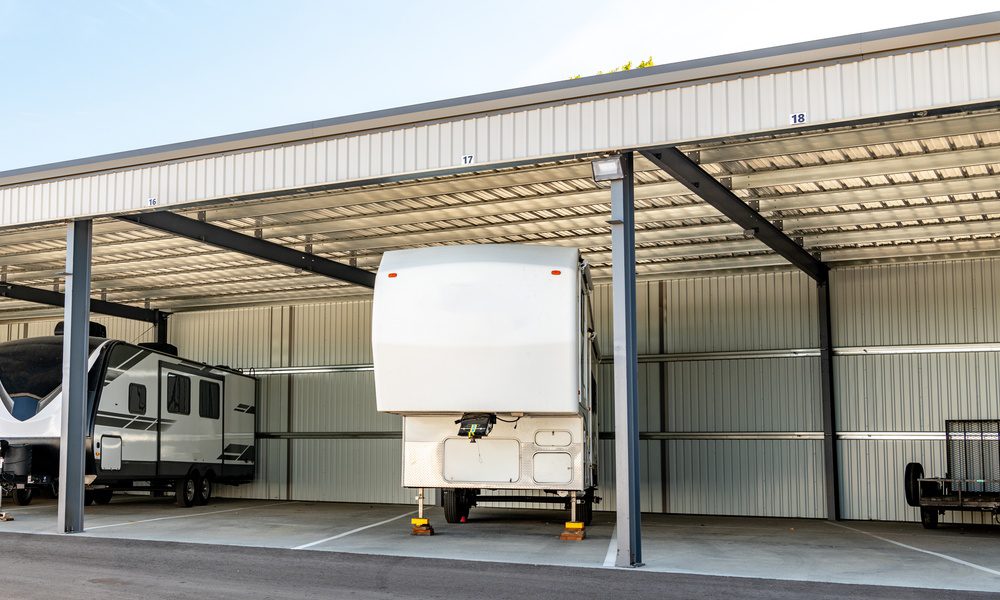
Unless you’re practically living out of your RV, there comes a time each year when you’ll need to put your vehicle away for a while until the next road trip. Because of that, many owners look for long-term storage lots since they likely don’t have the room for such a vehicle at home. While these lots are very convenient, unfortunately, the long-term storage process can create gradual problems that often go unnoticed until it’s time to hit the road again.
The good news is that most storage-related damage develops slowly rather than all at once. Understanding what long-term storage can do to your RV when it sits unused can help you avoid unnecessary repairs and keep it in better condition between trips.
Moisture Doesn’t Need Much Time
An RV doesn’t have to be left out in the rain constantly to develop moisture problems. Condensation can build up no matter where the vehicle sits, especially when temperatures fluctuate over several weeks or months. If that moisture remains trapped, it can affect both the interior and the materials hidden behind walls or cabinets.
Checking on your RV periodically gives you a chance to spot small issues before they become expensive ones. Better ventilation and routine inspections often make a much bigger difference than waiting until storage season is over to see how everything held up.
Tires and the Parking Surface Matter More Than You Think
Even when an RV isn’t moving, its tires continue supporting the same weight day after day. Over time, that constant pressure can contribute to uneven wear, particularly if the parking surface doesn’t provide consistent support.
This is one reason owners often ask whether a concrete pad or gravel parking is better for RV parking before choosing a long-term storage location. While the answer depends on the site and how well it manages drainage, other factors are worth considering. Taking a little time to evaluate where the RV will spend the off-season can help prevent problems that are far more difficult to correct later.
Systems Benefit From Occasional Attention
When it comes to any vehicle, its mechanical systems are designed to operate, not to remain inactive indefinitely. When an RV sits untouched for months, seals can dry out and fluids may not circulate the way they normally would during regular use.
To avoid this kind of issue, taking your RV out for a short drive is worthwhile, as it helps keep important systems in working order. Spending a little time with the vehicle like this often reduces the likelihood of unpleasant surprises when travel season returns.
Small Checks Can Prevent Bigger Repairs
The most important thing to remember is that the effects of long-term storage on your RV don’t have to shorten its lifespan. Even if an issue starts to develop, you don’t have to let it get out of hand. Most problems are completely fixable.
In most cases, regular maintenance will help you catch developing issues while they’re still new. That simple habit protects more than individual components because it helps preserve the RV as a whole, making it easier to enjoy your next trip instead of spending it catching up on repairs.