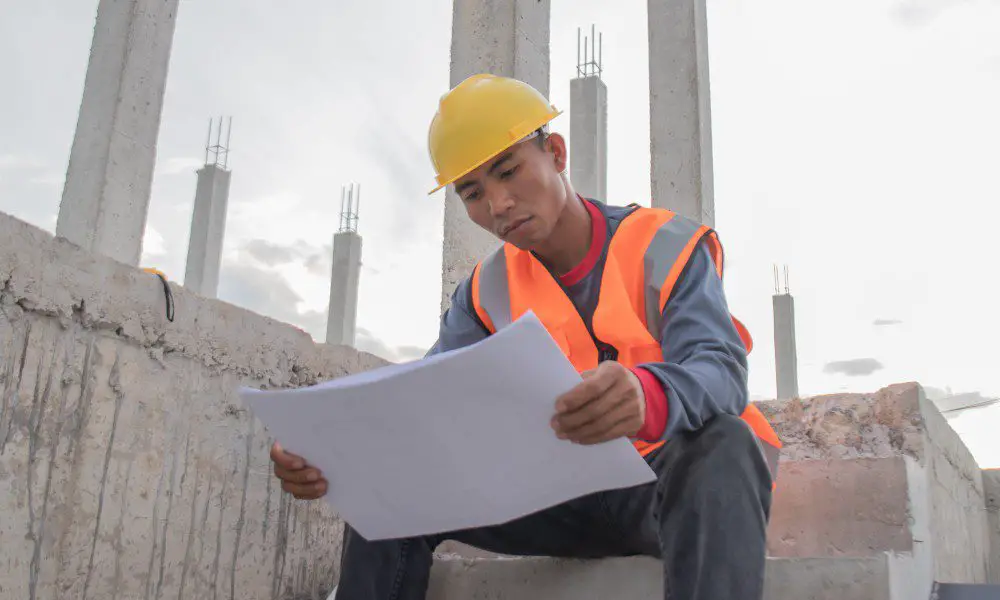
Construction sites and industrial floors present constant hazards. Workers rely on protective equipment for defense against falling debris, chemical fumes, and loud machinery. Yet, this gear degrades over time. Sun exposure, sweat, and daily wear and tear constantly weaken materials.
Relying on damaged equipment does not protect against accidents. You must know how to spot worn-out safety gear before it’s too late.
Inspect Hard Hats for Hidden Damage
Your helmet acts as a primary shield for your brain. Daily wear impacts its integrity. Look for visible cracks, dents, or gouges in the shell. These signs weaken the structure immediately. UV rays also degrade the plastic. If the shell looks chalky or dull, the sun has damaged the material. Press the sides of the helmet inward with both hands. A sturdy shell springs back. A brittle shell may feel soft or crack under pressure.
Check the suspension system inside. Frayed straps or broken clips fail to absorb shock. Sweat and hair products break down these fabric components faster than the outer shell. Most manufacturers recommend swapping the suspension every 12 months. Manufacturers stamp a production date inside the brim. Use this date to track the helmet’s lifespan.
Scrutinize Fall Protection Harnesses
Falls remain a top workplace killer. Your harness catches you only if the webbing holds strong. Grab the straps and bend them in an inverted “U” shape. This exposes cuts, frayed fibers, or chemical burns. Check every stitch. Pulled or missing stitches indicate potential failure. Discoloration often signals heat or chemical damage.
Inspect hardware like D-rings, buckles, and grommets. Rust, sharp edges, or distortion compromise the metal’s strength. Equipment with these defects should be discarded. Remember that hard hats don’t last forever, and neither do harnesses. A harness that has been subjected to a fall requires immediate disposal. Never reuse impact-loaded gear.
Assess Respiratory Equipment
Breathing hazards demand airtight seals. Cracks in a respirator’s facepiece allow contaminants inside. Examine the rubber or silicone parts for stiffness. Pliable material creates a proper seal against the face. Hard or brittle rubber breaks the seal, exposing the wearer to toxins.
Stretched-out straps prevent a snug fit. If the mask slips, dangerous particles enter your lungs. Check the inhalation and exhalation valves. Dirt or debris under the valve seat causes leakage. Replace filters when breathing becomes difficult or if you smell chemicals through the mask.
Evaluate Eye and Face Protection
Scratched safety glasses obstruct vision. This creates new hazards on the job. Pitted lenses weaken impact resistance. Throw away eyewear with loose frames or damaged side shields. Elastic headbands on goggles lose their stretch over time. If the goggles slide down, they fail to protect against splashes or dust.
Check Safety Footwear
Boots take a beating every day. Worn tread causes slips and falls on wet surfaces. Inspect the soles for separation or holes. Exposed steel-toe caps create electrical hazards and snagging risks. Crushed toe boxes compromise the structural integrity. If the boot interior wears down, foot support diminishes, leading to fatigue and potential injury.
Make Safety Routine
Regular inspections save lives. Schedule gear checks before every shift. Replace questionable items immediately to avoid injury. A proactive approach protects your team. Knowing how to spot worn-out safety gear before it’s too late keeps crews safe and projects running smoothly.