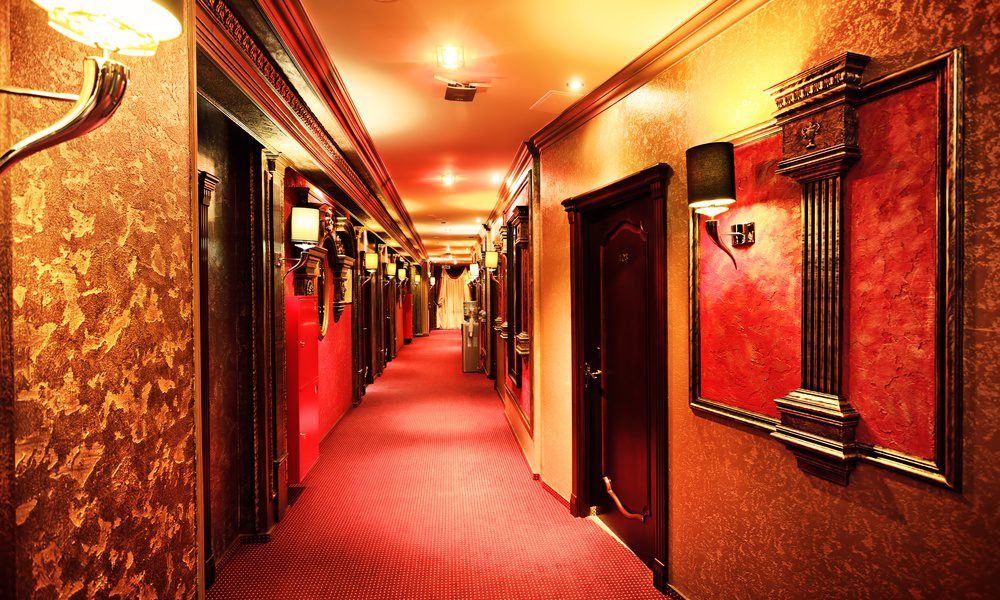
A hundred years ago, hotels looked very different from today’s polished spaces. Travel itself felt like an event, not a routine. Many hotels operated more like extended boarding houses, offering basic rooms and shared bathrooms.
Electric lighting and indoor plumbing were still novelties in some places. Bellhops and concierges handled nearly every guest request. Privacy wasn’t always guaranteed, and amenities depended heavily on location.
That context makes it clear just how much staying at a hotel has changed in the last 100 years. Comfort, convenience, and expectations have all shifted dramatically!
The Rise of Standardization
Mid-century travel boomed with cars and airplanes. Hotel chains began to emerge, bringing consistency across cities and countries. Guests could expect similar room layouts, services, and pricing structures wherever they stayed.
Air conditioning, private bathrooms, and televisions became standard features. Reservations also became more reliable, moving from handwritten logs to centralized booking systems.
Travel stopped being unpredictable and started feeling dependable. That shift helped hotels become part of everyday life rather than rare occasions.
The Experience Era
Hotels in the late 20th century began competing on experience rather than just comfort. Boutique hotels appeared, offering unique designs and themed stays. Luxury brands emphasized personalized service and curated amenities.
Fitness centers, spas, and in-room dining expanded guest expectations. Travelers were looking for more than just a place to sleep. Instead, they wanted a memorable stay that matched their lifestyle.
Technology also entered quietly, with electronic keycards replacing traditional metal keys. That change hinted at a much larger transformation ahead.
Smart Technology and Seamless Stays
Modern hotels now operate in a digital-first world. Guests often check in via apps, unlock doors with smartphones, and control room settings with voice commands.
Security has evolved alongside convenience. Many properties now use NFC technology to streamline hotel security and give hotel guests more freedom to move throughout the property without friction.
Behind the scenes, data helps hotels anticipate guest needs. Preferences can follow travelers from one stay to the next, creating a more tailored experience.
What the Future Might Hold
Hotels continue to blend hospitality with innovation. Contactless services, AI-powered assistants, and sustainable design are shaping what comes next.
Travelers increasingly expect flexibility and personalization in their experiences. Going forward, hotels have the chance to respond by rethinking everything from room layouts to check-in processes.
A Journey Still Unfolding
Looking back, it’s remarkable how staying at a hotel has changed in the last 100 years. What began as simple lodging has become a carefully designed experience shaped by technology, culture, and shifting expectations.
Hotels now reflect how people live, work, and travel. That evolution shows no signs of slowing down, making every future stay part of an ongoing story!