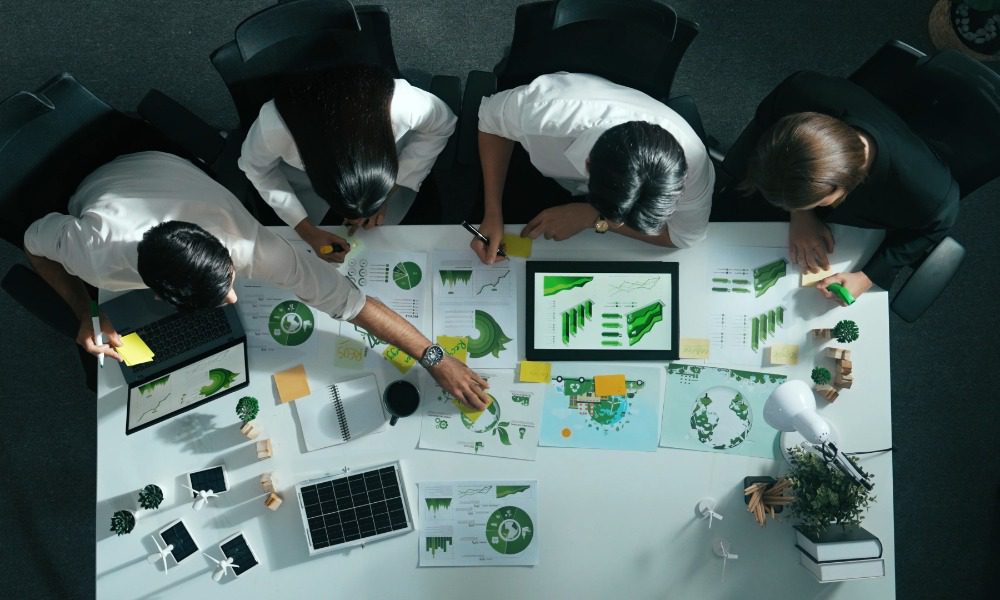
Industrial activity plays a major role in the global economy, but it also contributes significantly to environmental challenges. Manufacturing facilities consume enormous amounts of energy, while transportation networks generate emissions that affect air quality.
As environmental concerns grow, industries face increasing pressure to rethink how they operate. Sustainable industrial practices require more than installing energy-efficient equipment or reducing waste. Companies must examine how their everyday decisions affect natural resources and environmental conditions.
Fortunately, technological advances are making sustainable operations increasingly practical across many sectors. Understanding how industries can move towards greener operations makes meaningful improvements without compromising productivity.
Industries cannot improve their environmental performance without first identifying their biggest sources of pollution and resource consumption. An environmental assessment helps organizations measure energy use, waste generation, water consumption, and greenhouse gas emissions.
These findings establish a starting point for developing realistic sustainability goals. Companies can then prioritize improvements that offer the greatest environmental benefits.
Businesses should examine their entire operational footprint rather than focusing exclusively on individual facilities. Transportation activities and supplier practices can contribute significantly to overall emissions. Evaluating these indirect impacts provides a more complete picture of environmental responsibility.
Energy consumption represents one of the largest environmental challenges facing industrial operations. Many facilities rely heavily on fossil fuels to power machinery and maintain production schedules. Transitioning toward renewable energy can reduce dependence on conventional energy sources. Solar power offers one potential solution for businesses with suitable facilities and energy requirements.
Organizations considering renewable energy investments should weigh installation costs against potential long-term savings. A guide to the economic benefits of solar power systems can provide useful context for comparing financial considerations with environmental advantages. Solar installations may help businesses manage electricity expenses while reducing operational emissions.
Industries can also investigate wind energy procurement or renewable electricity agreements. These alternatives may benefit facilities that lack sufficient space for on-site generation. Companies should assess regional energy availability before selecting a renewable power strategy. A thoughtful transition can support environmental goals while maintaining reliable production.
Renewable energy represents an important advancement, but reducing unnecessary energy consumption remains equally valuable. Industrial facilities often lose energy through outdated machinery and inefficient heating systems. Even minor operational inefficiencies can create substantial waste across large production environments.
Companies can begin with practical upgrades that address common sources of energy waste:
Energy management software can further improve efficiency by tracking electricity use across departments. Facility managers can use this information to identify equipment that consumes excessive power. Regular maintenance also helps machinery operate closer to its intended efficiency. Together, these improvements can reduce operating costs and environmental impacts.
Industrial waste creates environmental challenges long after materials leave production facilities. Manufacturing processes frequently generate scrap materials that businesses could reuse or recycle. Effective waste management programs help organizations recover valuable resources instead of sending them to landfills. This approach also reduces demand for newly extracted raw materials.
Companies should examine production processes to determine why waste occurs. Poor material planning or inaccurate measurements can increase unnecessary consumption. Improving inventory management helps businesses purchase appropriate quantities and reduce excess stock. Manufacturers can also redesign certain processes to recover materials that would otherwise become waste.
Circular economy principles offer another approach to responsible resource management. Rather than treating products as disposable, companies can design them for repair or eventual recycling. This strategy encourages longer product lifespans and more efficient material use. Industries that embrace circular practices can reduce environmental pressures throughout the product lifecycle.
A company’s environmental impact extends beyond its facilities. Suppliers influence sustainability through their manufacturing methods and transportation decisions. Businesses that overlook these relationships may underestimate their overall environmental footprint. Responsible procurement policies can encourage improvements throughout industrial supply chains.
Organizations should evaluate suppliers according to measurable environmental standards. These evaluations might consider energy consumption or waste management performance. Working with suppliers that demonstrate meaningful sustainability progress can support broader environmental objectives. Long-term partnerships also create opportunities to develop cleaner production methods together.
Water plays an essential role in many industrial activities, including manufacturing and equipment cooling. Excessive consumption can place additional pressure on local water supplies. Industries operating in drought-prone regions face particularly important conservation challenges. Responsible water management helps protect surrounding communities and ecosystems.
Businesses can reduce consumption by identifying leaks and improving process efficiency. Water recycling systems may allow facilities to reuse suitable water for certain industrial applications.
Industrial wastewater management requires equal attention. Facilities should prevent harmful substances from entering waterways through appropriate treatment practices. Regular testing helps companies monitor discharge quality and meet applicable environmental requirements.
Environmental transparency has become an increasingly important consideration for industrial organizations. Investors and other stakeholders often want reliable information about corporate sustainability performance. Certain jurisdictions also require qualifying businesses to disclose climate-related information. Companies should monitor applicable regulations as reporting requirements continue to evolve.
A useful starting question is: Is your organization ready for climate disclosure rules and the information those requirements may demand? Businesses should examine whether their existing systems accurately track emissions and other relevant environmental metrics. Legal and sustainability professionals can help determine which requirements apply to specific operations.
Technological innovation continues to expand opportunities for greener industrial operations. Modern automation systems can reduce material waste by improving production accuracy.
Advanced sensors help equipment operate efficiently while identifying maintenance problems earlier. These technologies can support environmental improvements alongside operational productivity.
Industries can also investigate cleaner manufacturing processes that reduce hazardous substances or unnecessary emissions. Some facilities may benefit from electrifying equipment that currently relies on fossil fuels. However, organizations should evaluate electricity sources and infrastructure requirements before making major investments.
Moving industrial operations towards greener practices requires businesses to reconsider how they consume resources and manage environmental impacts. Adopting renewable energy and responsible manufacturing practices offers practical opportunities for improvement. Although meaningful change takes time, consistent action can produce lasting environmental benefits.
Industries do not need to transform every operation simultaneously to make progress. Organizations can begin with manageable improvements and expand their sustainability efforts as resources allow.
Long-term success depends on realistic goals and a commitment to continuous improvement. By embracing responsible industrial practices, businesses can support a healthier environment while strengthening their ability to operate efficiently in the future.
Discover practical strategies for building a successful real estate investment portfolio, from choosing properties to…
Learn about common concerns in older homes, including electrical hazards, plumbing problems, structural damage, and…
What’s hiding in the air? Discover how color-changing detector tubes reveal mystery vapors, what their…
Improve warehouse organization with practical strategies for inventory storage, efficient layouts, clearer labeling, and safer…
Understand how minor disruptions affect industrial productivity and what your facility can do to prevent…
Your outdoor space may no longer meet your needs. Find out when a fresh approach…