Older homes often attract buyers with distinctive architecture and a sense of history that newer properties cannot easily replicate. However, age can introduce maintenance challenges that require careful attention. Understanding common concerns in older homes helps homeowners recognize developing problems before they threaten comfort or safety. Some issues stem from outdated construction methods, while others result from decades of ordinary wear. A thorough inspection can reveal which features need immediate repairs and which simply require routine upkeep. By learning where problems typically appear, you can make informed decisions about maintenance and preserve the character that makes an established home appealing.
Electrical systems deserve particular attention because older wiring may struggle to support modern household demands. Previous homeowners may have installed additional outlets or altered electrical circuits without making necessary system upgrades. These changes can create overloaded circuits or leave unsafe connections hidden behind walls. A licensed electrician can evaluate the service panel and identify components that no longer meet current safety expectations.
Watch for frequently tripped breakers or outlets that feel unusually warm. Flickering lights may also indicate loose connections, although individual fixtures can cause similar symptoms. Learning the signs your older home needs immediate electrical repair services helps you respond before minor symptoms become dangerous. If you notice burning odors or sparking, stop using the affected circuit and contact a qualified professional promptly.
Older plumbing materials can deteriorate after years of exposure to water and changing temperatures. Galvanized steel pipes, for example, may corrode internally and restrict water flow. Some homes also contain aging drain lines that develop leaks around weakened joints. These problems often remain concealed until water stains appear or fixtures begin draining slowly.
Pay attention to unexpected drops in water pressure and persistent dampness near plumbing fixtures. A plumber can inspect accessible lines and recommend targeted replacements rather than assuming the entire system needs renovation. If your home contains older supply pipes, ask about their condition before beginning major remodeling. Addressing plumbing weaknesses early can prevent moisture damage from spreading into surrounding materials.
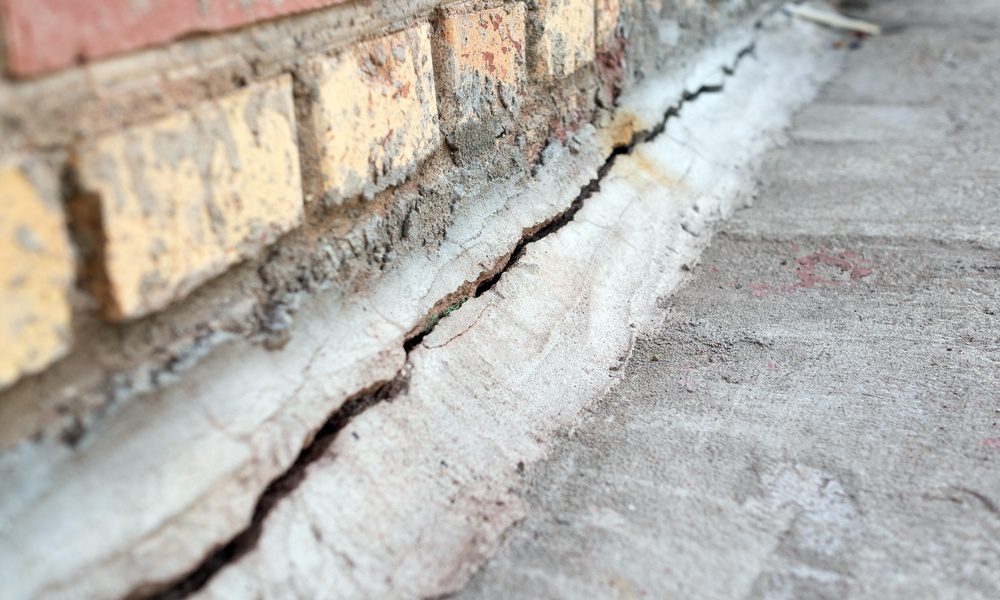
Every building experiences some movement as soil conditions change over time. Small, stable cracks do not always indicate serious structural trouble. However, widening fractures or noticeably sloping floors deserve professional evaluation. Doors that suddenly stick may also signal movement, especially when several openings develop problems around the same time.
Examine basement walls for new cracks and watch for gaps around window frames. Document changes with dated photographs so a structural specialist can assess whether movement continues. Avoid covering suspicious damage with cosmetic repairs before identifying its cause. A qualified engineer can distinguish ordinary settling from conditions that threaten structural stability, helping you avoid unnecessary work while addressing genuine risks.
An older roof may have endured repeated storms and seasonal temperature changes. Even when shingles appear intact from the ground, flashing around chimneys can loosen and allow water to enter. Aging underlayment may also lose effectiveness, making small exterior defects more consequential. Interior stains sometimes reveal a leak long after moisture first penetrated the roof.
Inspect attic spaces for damp insulation and discoloration around roof penetrations. Arrange professional roof assessments rather than climbing onto unfamiliar or deteriorating surfaces. Contractors can evaluate vulnerable areas and explain whether localized repairs will provide dependable protection. Prompt attention matters because persistent leaks can damage framing and encourage mold growth in concealed spaces.
Many older houses lack the insulation levels homeowners expect today. Air leaks around windows and attic openings can make indoor temperatures difficult to maintain. As a result, heating equipment may run longer even when the system operates correctly. These comfort problems can become especially noticeable during periods of extreme weather.
Start by identifying rooms that feel consistently colder or warmer than neighboring spaces. An energy assessment can help locate air leakage and insulation gaps without relying on guesswork. Weatherstripping may improve certain windows, while attic air sealing can address broader losses. Preserve original architectural features whenever practical, particularly when thoughtful repairs can improve performance without replacing historic materials.
Moisture can accumulate in older basements or crawl spaces when drainage systems perform poorly. Bathrooms without effective exhaust ventilation may also retain humidity after showers. Over time, these conditions can support mold growth and damage vulnerable building materials. A musty smell often signals a moisture problem that deserves investigation.
Check gutters and downspouts to ensure they direct runoff away from the foundation. Inside, address plumbing leaks and improve ventilation where moisture repeatedly collects. Cleaning visible mold without correcting the underlying source rarely provides a lasting solution. Extensive contamination or water damage may require professional remediation, particularly when affected materials remain hidden behind finished surfaces.
Some older properties contain materials that require special handling during renovation. Lead-based paint may remain beneath newer finishes, particularly around doors and trim. Certain insulation or flooring products may also contain asbestos. These materials do not automatically require removal when they remain intact and undisturbed, but careless demolition can create unnecessary exposure.
Before sanding painted surfaces or removing questionable materials, consult professionals familiar with applicable testing requirements. Qualified contractors can recommend appropriate containment and safe work practices. Avoid disturbing suspected asbestos products until testing clarifies their composition. Planning ahead protects occupants and helps renovation projects proceed without unexpected interruptions.
Older heating systems may operate less efficiently than newer equipment, especially when maintenance has been inconsistent. Aging ductwork can also develop leaks that reduce airflow to distant rooms. Uneven temperatures do not necessarily mean you need a complete system replacement. Sometimes blocked registers or neglected filters explain the problem.
Schedule professional maintenance and ask technicians to assess equipment condition alongside household comfort concerns. They can identify safety issues and recommend repairs based on actual performance. If replacement becomes necessary, proper sizing matters more than simply choosing a larger unit. An appropriately designed system can improve comfort while avoiding unnecessary energy use.
Recognizing common concerns in older homes allows you to prioritize repairs without losing sight of the property’s original charm. Begin with conditions that threaten safety or permit ongoing water damage, then plan improvements that support comfort. Keep records of inspections and completed repairs so future decisions reflect the home’s maintenance history. Professional guidance can help separate urgent problems from normal signs of age. With consistent attention and sensible upgrades, an older house can remain a welcoming place to live for many years.
What’s hiding in the air? Discover how color-changing detector tubes reveal mystery vapors, what their…
Industries can reduce environmental impact through greener operations and sustainable practices. Explore strategies for improving…
Improve warehouse organization with practical strategies for inventory storage, efficient layouts, clearer labeling, and safer…
Understand how minor disruptions affect industrial productivity and what your facility can do to prevent…
Your outdoor space may no longer meet your needs. Find out when a fresh approach…
Is a golf cart right for you? Explore the benefits, costs, maintenance needs, and important…