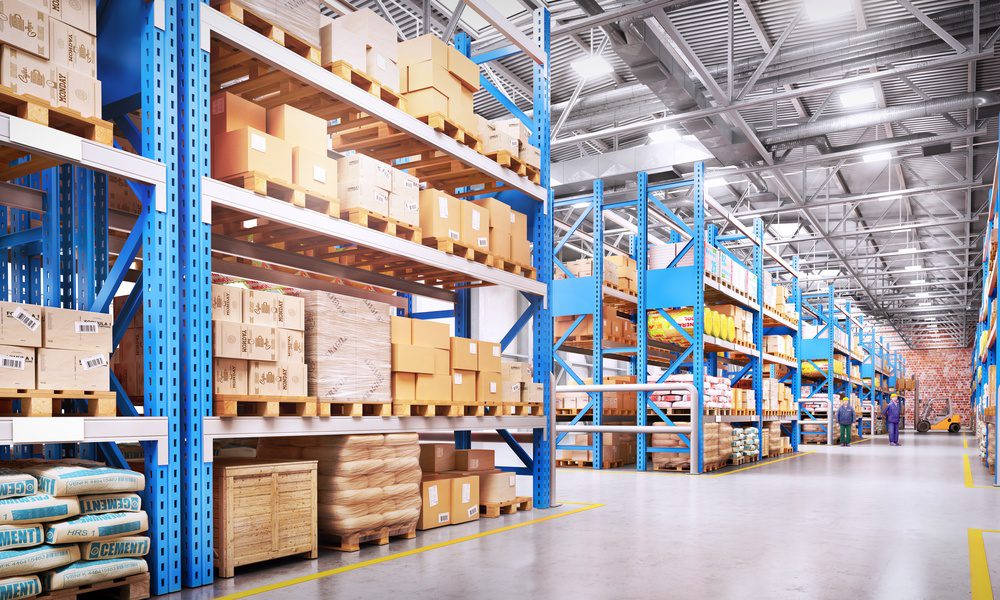
Maintaining an organized warehouse helps employees work efficiently while reducing delays and improving safety. Cluttered aisles and inconsistent storage practices can disrupt daily operations and create unnecessary challenges. Fortunately, effective ways to improve warehouse organization often involve simple adjustments rather than major renovations. By improving storage layouts and establishing consistent procedures, businesses can create more productive work environments.
Before rearranging inventory, examine how employees move throughout the facility during normal operations. Observe receiving activities and follow products as workers transfer them into storage. Pay attention to congested intersections or locations where employees repeatedly travel long distances. These observations reveal inefficiencies that may not appear in routine performance reports.
Ask warehouse employees which areas create the most frustration. Their firsthand experience can uncover awkward shelving arrangements or storage locations that interrupt otherwise straightforward tasks. Use their feedback to identify improvements that address actual operational challenges rather than relying solely on assumptions about the space.
Assign dedicated areas for receiving, inventory storage, order picking, and outbound shipments. Clear boundaries prevent incoming merchandise from interfering with orders awaiting dispatch. When employees understand each area’s purpose, they can place materials correctly without constantly requesting guidance.
Consider the relationship between these zones when deciding where they belong. Receiving areas should connect logically with storage locations, while packing stations need convenient access to outbound shipments. Maintain sufficient clearance around transitions so equipment operators can move safely without blocking pedestrian routes. Consistent zoning supports predictable movement even during busy periods. Mark floor boundaries visibly and revisit them whenever new equipment changes traffic patterns or staging requirements across the facility.
Products that employees retrieve frequently should occupy convenient locations near picking routes. Placing popular items within easy reach reduces unnecessary travel and helps teams complete orders efficiently. Reserve less accessible storage positions for merchandise that moves infrequently, provided the arrangement remains compatible with safe handling requirements.
Review product demand periodically because purchasing patterns change throughout the year. Seasonal inventory may require temporary relocation when orders increase. Avoid treating your original arrangement as permanent when operational needs clearly shift. Flexible placement allows warehouse managers to maintain efficient workflows as product volumes fluctuate.
Effective vertical storage creates additional capacity without requiring a larger building. Choose shelving that matches product dimensions and load requirements, then verify that employees can access stored goods safely. Keep heavier merchandise in suitable positions according to rack specifications and applicable handling procedures.
For smaller products or mixed inventory, use dividers on your pallet racks to separate merchandise and reduce accidental mixing. Clearly defined compartments help employees recognize where individual items belong. Inspect storage equipment regularly for damage or misplaced loads, and correct problems before they compromise accessibility. Organized racks should make identification straightforward without encouraging workers to exceed capacity limits.
Clear labels reduce uncertainty when employees store or retrieve inventory. Assign recognizable identifiers to aisles and individual storage positions. Display labels where workers can read them easily from normal approach directions. Consistent formatting helps employees recognize location information quickly, especially when they move between different warehouse sections.
Coordinate physical labels with inventory records so the information remains accurate. Replace damaged signs promptly and update identifiers whenever storage assignments change. Even a carefully planned labeling system becomes confusing when records and physical locations disagree. Routine verification keeps the system dependable for new employees and experienced staff alike.
Warehouse aisles must accommodate the equipment and people using them. Establish appropriate clearance based on operating requirements and avoid allowing temporary inventory to occupy designated travel paths. Merchandise left in walkways can slow movement and create avoidable hazards during busy shifts.
Designate specific locations for empty pallets and materials awaiting processing. Employees are more likely to maintain clear aisles when they have practical alternatives for temporary storage. Supervisors should address recurring obstructions by examining their underlying causes. Frequent clutter may indicate insufficient staging capacity rather than careless behavior.
Accurate inventory records make warehouse organization easier to maintain. Record product movements promptly so employees can locate merchandise without searching multiple storage areas. When inventory information reflects actual conditions, teams can plan replenishment and picking activities with greater confidence.
Consider barcode scanning or an appropriate warehouse management system if manual processes repeatedly produce discrepancies. Technology works best when employees follow consistent procedures for receiving and relocating products. Conduct regular cycle counts to identify mismatches before they affect customer orders. Use the findings to improve processes rather than simply correcting individual records.
A clean warehouse supports efficient movement and makes misplaced materials easier to notice. Establish realistic housekeeping expectations for each work area. Employees should remove packaging debris promptly and return shared equipment to designated locations after use. These habits prevent small disruptions from accumulating throughout the workday.
Schedule more thorough inspections around operational demands rather than relying exclusively on occasional large cleanup efforts. Assign responsibility clearly so essential tasks do not disappear between shifts. When teams treat cleanliness as part of normal operations, maintaining order requires less corrective work.
Organizational improvements depend on employees understanding how to apply them. Provide practical instruction on location identifiers and approved material handling procedures. Demonstrate how workers should respond when designated storage spaces become unavailable or inventory appears in the wrong location.
Encourage employees to report recurring problems instead of improvising permanent workarounds. Reinforce expectations during onboarding and communicate changes whenever layouts or processes evolve. Consistent training helps different shifts follow the same practices, reducing confusion when responsibilities change hands.
Warehouse organization requires ongoing attention because inventory levels and customer requirements rarely remain constant. Monitor picking delays and recurring storage issues to identify areas that need refinement. Discuss findings with employees who perform the work daily, then test practical adjustments before introducing widespread changes.
Document successful improvements so teams can maintain them over time. Small corrections often deliver lasting benefits when managers review their effectiveness and reinforce established procedures. An adaptable approach prevents organizational systems from becoming outdated as operations grow.
Implementing effective ways to improve warehouse organization starts with understanding everyday workflows and making storage decisions that support them. Clear zones and accurate inventory records help employees locate products without unnecessary confusion. Consistent housekeeping and employee training reinforce those improvements across shifts. Managers should continue reviewing storage arrangements as inventory demands evolve rather than assuming one solution will work indefinitely. By treating organization as an ongoing operational priority, businesses can create a safer, more efficient environment that supports reliable warehouse performance.
Understand how minor disruptions affect industrial productivity and what your facility can do to prevent…
Your outdoor space may no longer meet your needs. Find out when a fresh approach…
Is a golf cart right for you? Explore the benefits, costs, maintenance needs, and important…
Keep your car moving on the road comfortably. You can improve your experience behind the…
Learn how to host an eco-friendly wine tasting party with sustainable wine choices, locally sourced…
Moving somewhere colder can be an exciting change, but there's much to consider. Here's what…