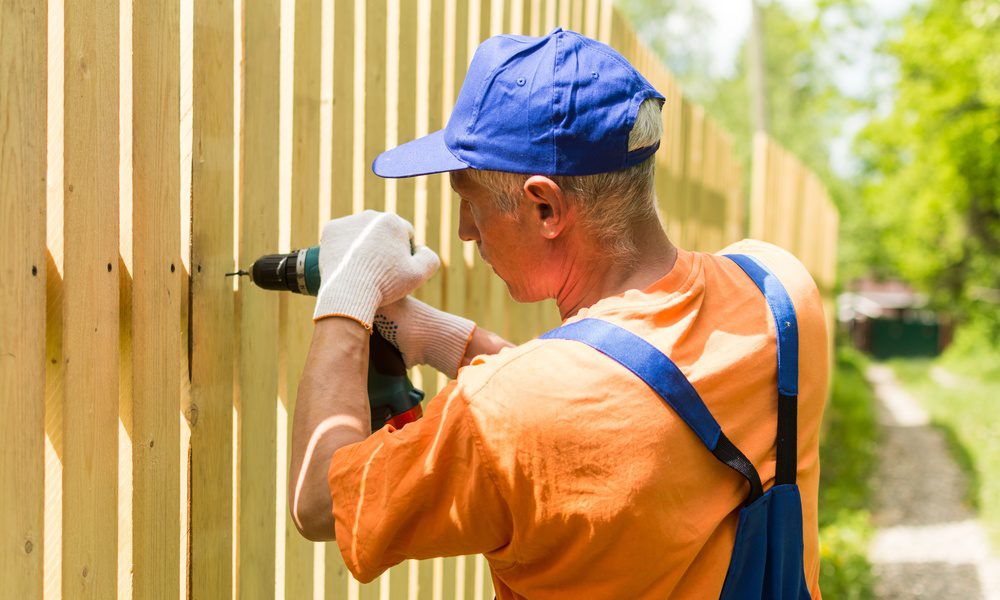
Choosing the right fence involves more than selecting a material and marking a property line. A durable installation depends on careful planning, accurate measurements, sound construction methods, and attention to conditions that can affect the finished structure. Contractors must account for the site, local requirements, and the performance characteristics of the chosen fencing. Following the best practices for professional fence installation helps create a fence that looks intentional, performs reliably, and stands up to years of everyday exposure. A thoughtful process also reduces avoidable corrections.
A professional installation begins with a close evaluation of the property. Installers should walk the proposed fence line and identify slopes, drainage areas, landscaping, and other features that may influence placement.
Property boundaries also require careful attention. Installers should work from reliable property information rather than assuming an existing hedge, old fence, or worn path marks the legal boundary. Placing a fence in the wrong location can create disputes and force costly changes later.
Fence requirements can vary according to location and property type. Before construction, professionals should confirm applicable rules regarding fence height, setbacks, and placement near streets or neighboring properties. Some projects may also require permits or approval from a homeowners association. Addressing these requirements before installation keeps the project moving and reduces the risk of having to alter completed work.
Installers must also identify underground utilities before digging post holes. Utility marking protects workers and helps prevent damage to buried services throughout the entire construction process. A crew should never treat this step as optional simply because a yard appears open or has supported fencing in the past.
Accurate layout work affects nearly every stage that follows. Professionals should establish the fence line, identify corner locations, and determine where gates will sit before setting posts. String lines can help maintain a straight path and provide a consistent reference during installation.
Measurements should account for the actual dimensions of panels, pickets, posts, and gate hardware. Small errors can compound across a long run of fencing, leaving awkward gaps or forcing last-minute modifications. Taking time to verify measurements before digging usually saves more time than correcting alignment problems afterward.
Fence materials should suit the property rather than simply matching a preferred appearance. Climate, soil conditions, exposure, and maintenance expectations can all influence the right choice. Wood offers a traditional appearance but requires protection from moisture and weathering. Vinyl can reduce routine upkeep, while metal options can provide strength with a different visual character.
Professionals should also inspect materials before installation. Damaged boards, warped components, or compromised hardware can weaken the finished fence or create an uneven appearance. Selecting sound materials supports consistent workmanship from the first post to the final section.
Posts form the structural foundation of most fences, so installers must position them carefully. Post holes need suitable depth and spacing for the fence design as well as local ground conditions. A shallow or poorly placed post may shift as the soil moves, especially during periods of freezing, thawing, or heavy moisture.
Each post should remain plumb while the setting material cures or the surrounding soil becomes compacted. Installers should repeatedly check alignment instead of relying on visual judgment alone. Straight, stable posts make it much easier to attach rails and panels evenly while helping the fence resist movement over time.
Few properties provide perfectly level ground from one end of the fence line to the other. Professional installers should determine how the fence will follow changes in grade before attaching panels. Depending on the fence style, the crew may rack sections to follow the slope or step panels gradually.
The chosen method should create a deliberate appearance while controlling gaps beneath the fence. Large openings can undermine privacy or allow pets to slip through. Planning for elevation changes early also prevents installers from forcing rigid components into positions that place unnecessary stress on connections.
A gate receives more movement than most other parts of a fence, which makes proper installation especially important. The supporting posts must handle the gate’s weight without leaning or shifting. Installers should position hinges and latches so the gate moves freely while closing securely.
Ground clearance deserves attention as well. A gate that barely clears the surface during installation may drag later if soil shifts or seasonal conditions change. Professionals should consider the direction of the swing and nearby obstacles before mounting hardware. These details improve usability and reduce premature wear.
Professional results depend partly on using equipment suited to each task. Digging, leveling, cutting, and fastening all require tools that work correctly and allow the installer to maintain control. Dull blades, damaged levels, or unreliable power equipment can slow progress and make precise work more difficult.
Crews should also maintain fence tools for longevity so equipment continues to perform consistently across projects. Cleaning tools after use and replacing worn components can support better accuracy while reducing unexpected interruptions. Well-maintained equipment also helps professionals approach detailed cuts and fastening work with greater confidence.
Even durable fencing materials can sustain damage when crews handle them carelessly. Installers should keep components organized and protected from mud, standing water, or unnecessary impact while work progresses. Finished surfaces require particular care because scratches and dents can remain visible long after the project ends.
Cut edges or exposed areas may also need treatment depending on the material. Wood components can require an appropriate protective finish, while some metal systems need attention where cutting exposes vulnerable surfaces. Following manufacturer guidance helps preserve the material’s intended performance without relying on improvised fixes.
Professionals should check the fence throughout the installation instead of waiting until they finish assembling every section. Regular checks make it easier to correct small deviations before they affect multiple sections. Installers can monitor post height, panel spacing, and the overall fence line as work advances.
A successful fence installation combines thoughtful preparation with disciplined workmanship at every stage. Property evaluation, accurate layout, stable posts, and careful finishing contribute to a structure that performs well without sacrificing appearance. Contractors who follow the best practices for professional fence installation can reduce preventable problems and deliver a finished fence that suits the property. Careful execution also gives owners a stronger return on their investment by supporting dependable performance and easier maintenance.
Compare natural and lab-grown diamond rings to understand differences in origin, price, appearance, and value…
A concert ticket can be more than a night out. Turn the trip into a…
These essential checks for your jet ski help improve reliability and reduce issues on the…
A reliable pickup truck will help you make the most of pumpkin patch season with…
Learn when a Canada Temporary Resident Permit may help overcome inadmissibility and support necessary travel.…
For crews using ultra-high-pressure water blasting for coating removal and pipe maintenance, find out which…