Hydraulic systems power some of your car’s most important functions, from the brakes that stop you safely to the power steering that makes turning effortless. When these systems falter, they can cause major performance problems.
Understanding the common points of failure helps you diagnose issues quickly and get your vehicle back in top condition. Identify five of the most common hydraulic issues in cars and how to fix them. By paying attention to the warning signs, you can tackle hydraulic problems before they become more serious.
1. Fluid Leaks
A puddle of reddish or brown fluid under your car often signals a hydraulic leak. Leaks typically come from worn-out seals, cracked hoses, or loose connections. Low fluid levels reduce system pressure, which can lead to a spongy brake pedal or stiff steering.
You might need to clean the area and run the engine to spot the drip. Once you find the faulty component, you must replace it. After the repair, top off the fluid and bleed the system to remove any air bubbles.
2. Contaminated Fluid
Hydraulic fluid can become contaminated with dirt, debris, and moisture over time. If this is the case, the solution is to flush the old, dirty fluid from the system completely. After flushing, refill it with the fresh, clean hydraulic fluid that your vehicle’s manufacturer recommends.
3. Air in the System
Air can enter a hydraulic system during repairs or through a leak. Air bubbles compress easily, unlike fluid, which leads to a loss of pressure. This often manifests as a soft, spongy feeling when you press the brake pedal or a delayed response in your power steering.
How should you fix this common hydraulic issue in cars? By bleeding the hydraulic system. This process involves opening a bleeder valve at each wheel or component and forcing fluid through the lines until no more air escapes.
4. Overheating
Hydraulic systems generate heat during operation, but excessive heat can damage seals and break down the fluid. Overheating can result from low fluid levels, a blocked line, or a failing pump working too hard.
Signs of overheating include a burning smell or a noticeable drop in performance after running for a while. Check your fluid levels first, and if they’re correct, inspect the lines for any obstructions. In some cases, the hydraulic pump itself may need replacement.
5. Pump Failure
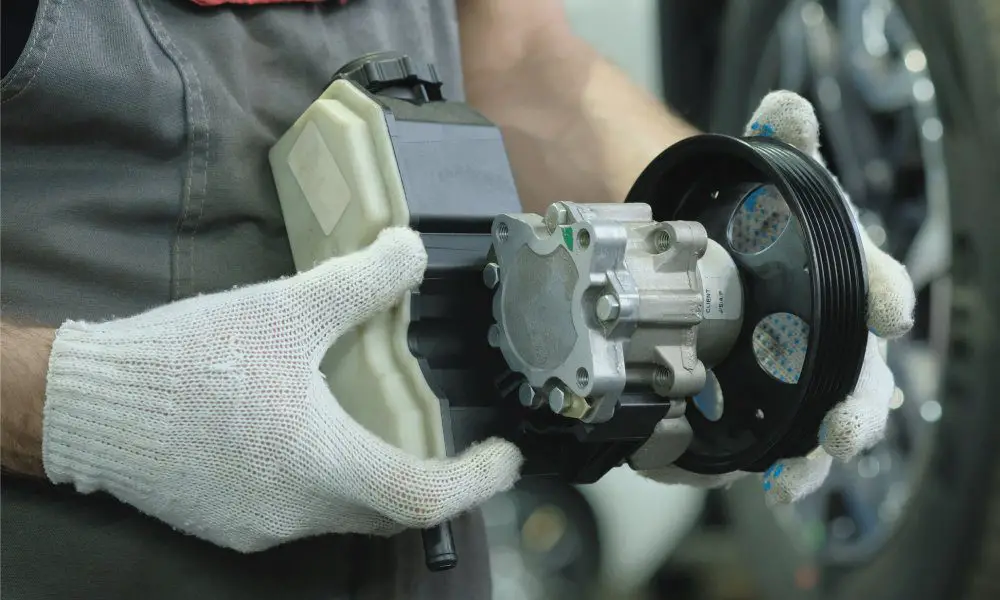
The hydraulic pump creates the pressure needed to operate the system. When a pump starts to fail, you may hear whining or groaning noises that get louder when you turn the steering wheel or apply the brakes.
A complete pump failure will result in a total loss of power assist, making steering extremely difficult. Replacing a hydraulic pump is a more involved job. It requires draining the system, removing the old pump, installing the new one, and then refilling and bleeding the system.
Maintain Your Hydraulic Systems
A proactive approach to hydraulic maintenance keeps your car running smoothly and safely. When you address leaks, replace old fluid, and bleed air from the lines, you prevent small issues from turning into costly repairs. Regular checks and timely fixes give you confidence in your vehicle’s performance and extend the life of its critical components.