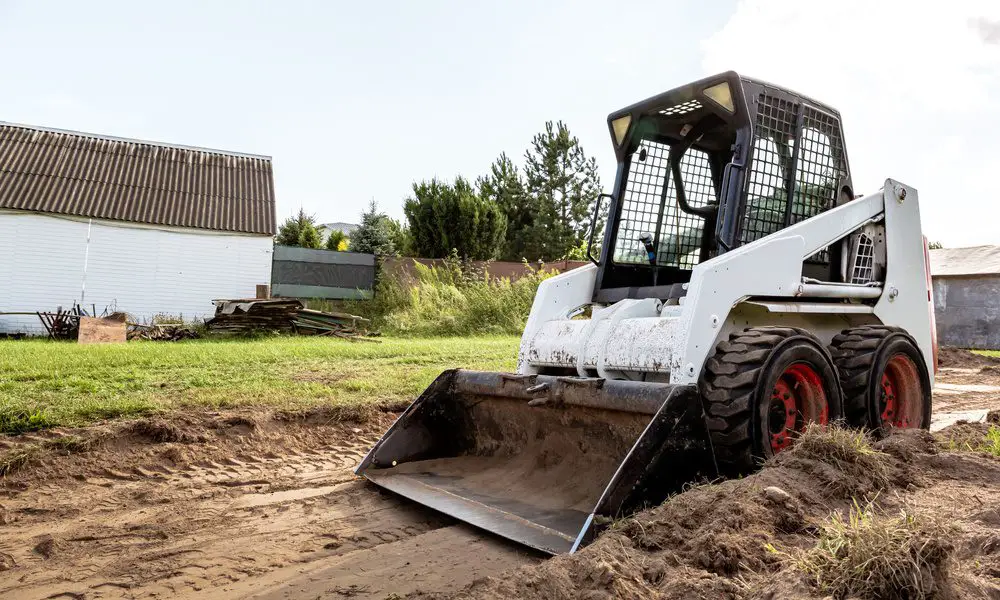
Contractors and site managers constantly look for smarter ways to increase productivity without overcomplicating their workflow. From construction and demolition to landscaping and agricultural projects, efficient material handling can make or break a schedule. Understanding the best reasons to use a skid steer hopper helps teams streamline operations, reduce manual labor, and keep projects moving smoothly from start to finish.
A skid steer hopper allows operators to transport and dump bulk materials quickly with minimal repositioning. Instead of relying on wheelbarrows, buckets, or repeated manual loading, crews can move larger volumes in a single trip. This efficiency directly impacts timelines, especially on projects that require continuous debris removal or material distribution.
Because hoppers attach directly to skid steers, operators can maneuver easily through tight jobsite spaces. They can load, transport, and dump materials such as gravel, soil, concrete debris, or scrap without switching equipment. This seamless integration reduces downtime and keeps productivity high throughout the day.
Manual lifting and hauling increase the risk of strains, sprains, and other injuries. A skid steer hopper significantly reduces the need for repetitive heavy lifting. Operators handle most of the transport mechanically, which protects workers from unnecessary physical stress.
Controlled dumping mechanisms also improve safety. Instead of tipping containers by hand, operators release materials precisely where needed. This control limits spillage and reduces slip hazards on busy jobsites. When crews work in safer conditions, they maintain better focus and consistent output.
Jobsite organization plays a critical role in maintaining momentum. Skid steer hoppers help teams manage debris piles, distribute materials evenly, and keep work zones clear. By centralizing transport and disposal, crews maintain cleaner and more organized environments.
Hoppers help crews move more material faster, which prevents bottlenecks during high-demand phases of a project. Whether placing fill material along a trench or removing demolition waste, operators maintain steady workflows without clutter building up around active areas.
A skid steer hopper adapts easily to multiple industries and tasks. Construction teams use it for hauling concrete rubble or gravel. Landscapers rely on it for transporting mulch, soil, and stone. Agricultural operations benefit from its ability to move feed, fertilizer, or harvested materials efficiently.
Because skid steers already serve as versatile machines, adding a hopper attachment expands their functionality without requiring additional major equipment. This adaptability helps businesses maximize the value of their existing fleet.
Investing in a skid steer hopper can reduce labor costs and improve overall jobsite output. Faster transport cycles mean crews complete tasks sooner, which can shorten project timelines and increase profitability. Reduced physical strain also lowers the likelihood of injury-related downtime.
When managers evaluate the best reasons to use a skid steer hopper, they see how efficiency, safety, versatility, and cost control make it a smart jobsite investment. It gives crews a reliable way to handle demanding material transport tasks with greater speed and confidence.
Follow proven professional fence installation practices for accurate placement, lasting strength, and reliable performance from…
Compare natural and lab-grown diamond rings to understand differences in origin, price, appearance, and value…
A concert ticket can be more than a night out. Turn the trip into a…
These essential checks for your jet ski help improve reliability and reduce issues on the…
A reliable pickup truck will help you make the most of pumpkin patch season with…
Learn when a Canada Temporary Resident Permit may help overcome inadmissibility and support necessary travel.…