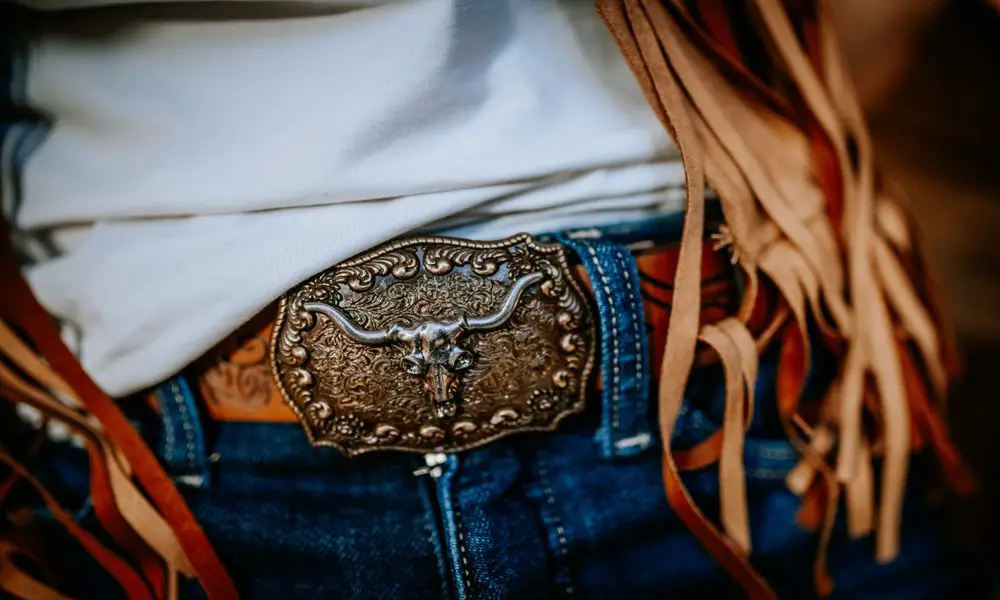
Western fashion’s been around forever, but it’s come a long way from just cowboy hats and worn-out boots. It’s got range now—casual, glam, street, rodeo-ready—you name it. And each subtype brings its own vibe and style rules. So, if you’re into that western look but aren’t sure how to wear it without going full cowboy cosplay, you’re in the right place.
Let’s break down the popular subtypes of Western fashion and how to wear them so you can mix it up without looking like you’re heading to a costume party.
This is the style that laid the foundation for everything else Western. It goes back to the 1800s, when ranchers, wranglers, and cattle drivers needed clothes that could handle the rough terrain.
The look stuck around, especially in rodeos and country music scenes, and eventually started showing up in casual wear outside the West. It’s the most traditional version of the style, and it still works because it’s so clean and reliable.
Classic cowboy style leans on sturdy denim, structured shirts, and work-ready footwear. Button-downs are usually plaid or chambray, and denim jackets show up a lot in cooler months. You’ll always see cowboy boots and a Western belt with a statement buckle. Hats tend to be wide-brimmed and neutral, and outerwear often includes canvas or denim in boxy cuts.
You can work these into your everyday outfits without going full costume.
Rodeo glam started in the rodeo circuit, where showmanship mattered just as much as skill. Over time, performers started adding rhinestones, fringe, and bold color to their Western wear to stand out.
From there, country stars picked the style up, and it wasn’t long before fashion caught on. Now it’s a favorite at music festivals, concerts, and anywhere someone wants to make a statement.
This style is flashy—in the best way. You’ll see sequins, embroidered denim, shiny fringe, and bright colors like hot pink and turquoise. Western-style boots are often metallic or detailed, and jackets usually come with sparkle or bold trims. Accessories go big, with large earrings, colorful belts, and layered jewelry.
The key to rocking rodeo glam is keeping the rest of your look simple.
Western boho comes from the overlap between vintage prairie wear and Southwestern desert culture. It started picking up steam in the ‘60s and ‘70s, especially during the folk revival.
The freeform style, flowing fabrics, and handcrafted details gave it a lived-in, artistic feel that’s never gone out of style. These days, it’s made a comeback in everyday wear because it mixes well with modern basics and doesn’t rely on bold or structured pieces to make an impact.
This style uses natural fabrics, warm colors, and soft shapes. Flowy dresses, crochet tops, tiered skirts, and fringe jackets are all common. The color palette sticks to earth tones like rust, sage, ivory, and mustard. Patterns often include florals, geometric shapes, or Southwestern-inspired prints. Textures vary, but you’ll frequently see lace, suede, knits, and denim used together for depth and contrast.
Layering works really well with this look.
Ranchcore feels grounded and wearable. It pulls from real workwear—stuff you’d see on an actual ranch—but with a stylish edge. It’s become more popular thanks to the rise of thrifted fashion and vintage Americana, and it leans into authenticity without sacrificing comfort. You don’t need to be outdoorsy to wear it—it’s just a solid, no-fuss option when you want something casual.
Ranchcore brings in utility pieces like chore jackets, flannel shirts, and canvas pants. Colors are muted—olive, khaki, gray, faded blue—and fabrics are usually thick and durable. Layers are important, with sherpa linings, quilted vests, and wool sweaters being common. Denim has a looser fit, and boots lean more workwear than polished.
With ranchcore, you want to keep your base outfit simple and neutral, then build from there.
Cowgirl chic blends structure with subtle Western cues. It draws from the same roots as classic cowboy looks, but with a focus on elevated fabrics and refined shapes. This one shows up often in fashion editorials and influencer style, but it’s also practical enough for office outfits or nights out. It gives a nod to Western heritage without going full-on rugged.
Expect tailored silhouettes, smooth textures, and neutral tones. Button-downs might have yoke stitching but come in silk or cotton blends. Skirts are structured—pencil or A-line—and boots are sleek with minimal detailing. Accessories stay minimal, and colors include cream, tan, black, and soft jewel tones.
You’ll also see updated denim fits; while many subtypes lean on bootcut jeans because they allow cowboy boots to fit underneath, straight-legged styles create a cleaner line that works better with the polished look of cowgirl chic.
This look works best when everything feels intentional. Keep the focus on shape, texture, and structure rather than flash or excess.
You don’t have to stick with one style. The best part about these popular subtypes of Western fashion is how easy it is to mix elements from each. Want to go boho but still rock a vintage blouse? Do it. Leaning casual but love a bold belt buckle? Add it in. Just make sure it fits your lifestyle, flatters your shape, and keeps you comfortable. Western fashion’s versatile—and now you know how to make it work.
Follow proven professional fence installation practices for accurate placement, lasting strength, and reliable performance from…
Compare natural and lab-grown diamond rings to understand differences in origin, price, appearance, and value…
A concert ticket can be more than a night out. Turn the trip into a…
These essential checks for your jet ski help improve reliability and reduce issues on the…
A reliable pickup truck will help you make the most of pumpkin patch season with…
Learn when a Canada Temporary Resident Permit may help overcome inadmissibility and support necessary travel.…