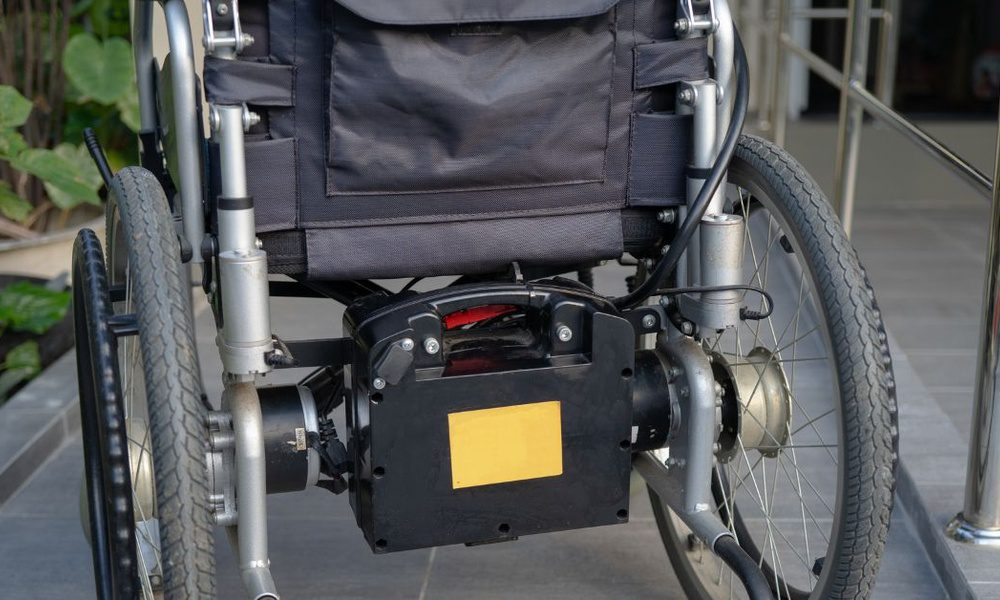
Safety often depends on small actions that people perform every day. Routine equipment checks may seem simple, but they play a critical role in preventing accidents and reducing risks. Whether someone uses mobility equipment, home medical devices, vehicles, or workplace tools, regular inspections identify issues before they become dangerous. For caregivers and older adults, these checks provide confidence and peace of mind.
Many accidents occur because equipment develops problems that go unnoticed. Loose parts, worn components, damaged wiring, or declining performance can create hazards over time. A quick inspection often reveals these concerns before they affect daily activities. Consistent attention to equipment safety can protect users and caregivers from unnecessary stress. It’s important to know how routine equipment checks improve safety.
Equipment rarely fails without warning. Most devices show signs of wear long before a major malfunction occurs. Strange noises, slower operation, unusual vibrations, or visible damage often indicate that something needs attention. Ignoring those signs can increase the likelihood of an accident.
For older adults who rely on mobility devices or medical equipment, even a minor issue can create significant challenges. A malfunction can interrupt daily routines and limit independence. Caregivers often face additional responsibilities when equipment stops working unexpectedly. Early detection prevents these situations and keeps essential devices operating safely.
Routine inspections allow users to spot problems before they worsen. A few minutes spent checking equipment can prevent hours of inconvenience later. Regular inspections also help users become familiar with how equipment should look and function. That familiarity makes unusual changes easier to identify.
Many manufacturers recommend inspection schedules for their products. Following those guidelines maintains safety and performance. Caregivers can also create simple checklists that support consistent monitoring. This approach works especially well for households that depend on multiple devices.
Key items to inspect include:
These checks require little time but can significantly improve safety.
Mobility devices help millions of Americans maintain independence and quality of life. Wheelchairs, scooters, walkers, and lift systems experience regular wear through daily use. Without routine inspections, small issues can affect reliability and safety. Users who monitor equipment closely often avoid larger problems.
Caregivers should pay attention to tires, batteries, brakes, and control systems. These components directly affect performance and stability. Troubleshooting electric wheelchair malfunctions at the first sign of a problem can prevent unexpected breakdowns. Addressing concerns early often reduces repair costs and minimizes disruptions to daily life.
Safety rarely depends on one major decision. Instead, it grows from small habits practiced consistently over time. Regular inspections prevent accidents, reduce unexpected failures, and extend equipment life. For caregivers and seniors, routine equipment checks remain one of the simplest and most effective ways to create a safer environment.
Create cleaner embroidery designs with practical tips for fixing thread breaks, puckering, skipped stitches, and…
Learn how to build a shipping container office with practical guidance on site preparation, insulation,…
Before buying a 3D printer for a new hobby, explore how 3D printing and the…
Find out how often you should inspect your crawl space at home so you can…
Get ahead of tax season with practical tips for small business finances. Here's how to…
Brand managers who plan campaign costs strategically gain a sharp view of budgeting, timing, priorities,…