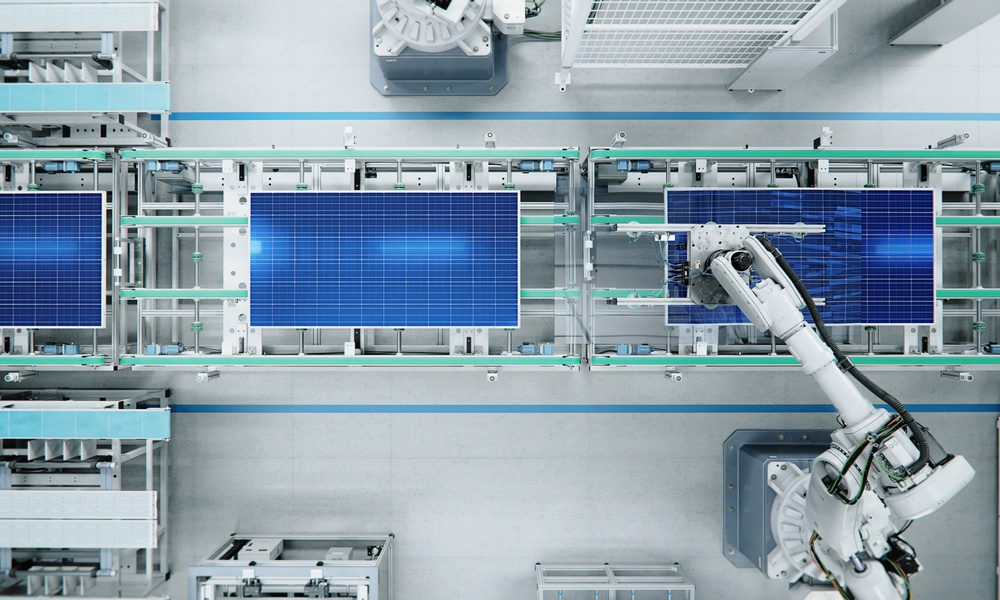
As industries face growing pressure to reduce their environmental impact, manufacturers are increasingly adopting practices that balance economic growth with ecological responsibility. Green manufacturing has emerged as one of the most effective approaches for reducing pollution, conserving natural resources, and supporting long-term environmental conservation.
Rather than focusing solely on production output, green manufacturing emphasizes efficiency, waste reduction, and sustainable resource management throughout the manufacturing process. These efforts can create meaningful environmental benefits while also improving operational resilience.
Traditional manufacturing processes generate significant amounts of waste, emissions, and byproducts that can harm ecosystems. Green manufacturing seeks to minimize these impacts through improved production methods, cleaner technologies, and better resource management.
Many companies now implement strategies such as:
By reducing the amount of waste sent to landfills and lowering emissions released into the environment, manufacturers can help protect air quality, waterways, and wildlife habitats.
In addition, manufacturers are increasingly using data-driven monitoring systems to identify inefficiencies that may otherwise go unnoticed. Tracking energy use, material consumption, and production performance in real time allows businesses to make informed decisions that reduce environmental impact without sacrificing productivity.
Resource conservation is another important aspect of reducing a business’s environmental footprint. Manufacturing often requires substantial amounts of energy, water, and raw materials. Green manufacturing encourages businesses to use these resources more efficiently while exploring renewable alternatives where possible.
Energy-efficient machinery, renewable energy systems, and smarter production planning can significantly reduce resource consumption. In many cases, businesses discover that sustainability initiatives not only benefit the environment but also lower operating costs over time.
Another benefit is the reduced strain on finite natural resources. As global demand for manufactured goods continues to rise, using materials more responsibly helps preserve resources for future generations while decreasing the environmental costs associated with extraction and transportation.
Environmental conservation often depends on innovation. Manufacturers that invest in cleaner technologies accelerate the development of solutions that reduce industrial impacts across entire sectors.
Examples include:
However, implementing these improvements frequently requires significant upfront investment. As green manufacturing businesses grow, access to appropriate funding can play a critical role in expanding environmentally responsible operations. Entrepreneurs exploring growth opportunities may benefit from understanding available financing options for sustainable manufacturing startups, particularly when investing in energy-efficient equipment and sustainable production systems.
Sustainable innovation also encourages collaboration across supply chains. Manufacturers, suppliers, and technology providers increasingly work together to develop solutions that improve efficiency and reduce environmental impacts beyond a single facility, creating broader benefits across industries.
The environmental challenges facing the world require action from every sector, including manufacturing. Through waste reduction, resource conservation, and technological innovation, green manufacturing supports environmental conservation and economic development.
As more organizations embrace sustainable production methods, the manufacturing sector can become a powerful contributor to environmental conservation. While no single solution can address every environmental challenge, green manufacturing represents an important step toward a future where industrial growth and ecological stewardship work together.
Make high-traffic business entrances have better traffic flow and practical door solutions. Create a more…
Prepare your Ford Bronco for unpredictable off roading trails with smart precautions that reduce risk…
HR leaders can scale workplace benefits with more confidence by spotting space, safety, and compliance…
Keep your dually truck ready for demanding roads with smart upkeep that addresses wear early…
Harvest season is changing as farmers look for more sustainable methods that reduce strain on…
Create an inviting outdoor escape with thoughtful design choices that bring refined character and a…