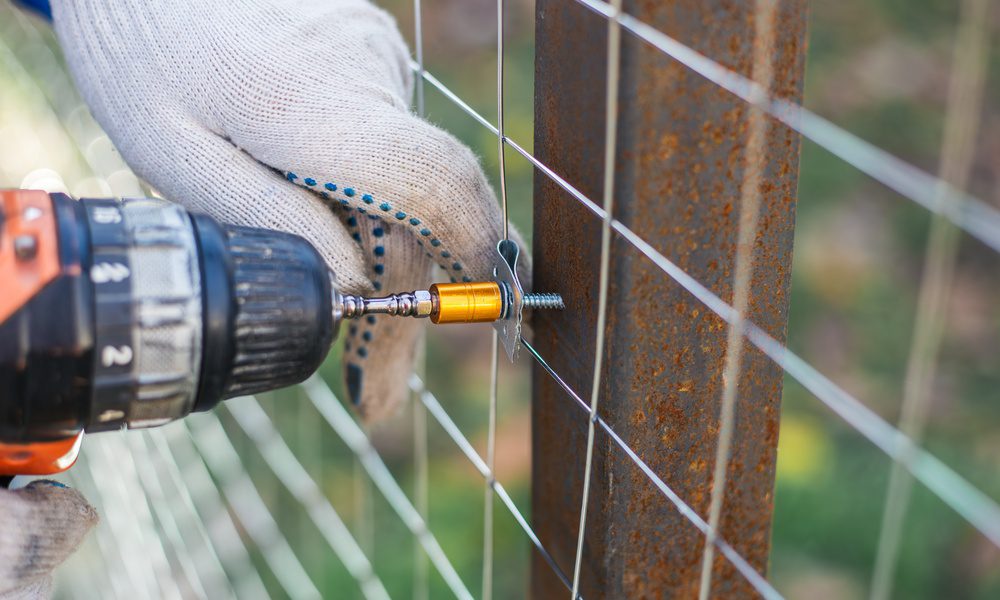
A damaged fence can hurt curb appeal, reduce privacy, and create safety concerns. The main question is simple: fix the problem area or replace the whole fence structure.
The answer depends on age, damage, cost, and long-term value. A small repair can make sense for a newer fence, but an older fence with repeated issues may need a full reset.
The first step is checking how much of the fence still stands strong. One broken panel or loose gate usually points to repair, while multiple leaning sections often point to replacement.
Posts matter most. If several posts have shifted, rotted, or cracked, the fence may no longer have the support needed to last.
Repair often costs less upfront, but repeated fixes can add up fast. A cheaper short-term job does not always save money over the course of a few seasons.
Replacement can cost more at the start, but it may cut future labor and maintenance. That matters when damage keeps showing up in new areas.
Wood fences often allow easier spot repairs, especially when damage stays limited to a few boards or rails. Once rot spreads through posts or framing, repair loses value.
Chain-link and vinyl fences can also handle targeted fixes, but matching older sections can get tricky. Knowing which fencing tools to have on hand can also help you prepare for the repairs you’ll need based on your type of fence.
Some signs make the choice easier. A fence near the end of its lifespan rarely benefits from constant patchwork.
These issues usually point to a larger structural problem. A repair may improve the look for now, but it may not restore full strength.
A fence should provide privacy, security, and a clean boundary. If gaps, weak sections, or unstable panels affect daily use, the fence no longer does its job well.
That matters even more for homes with pets or children. A fence that cannot close securely or stay upright may need full replacement instead of another temporary fix.
Choosing whether to repair or replace a fence on your property is a time and money-saving decision. Repair works best when damage stays small and the rest of the fence remains solid. Replacement makes more sense when age, cost, and stability all move in the wrong direction.
The smartest decision comes from looking beyond the next repair bill. A fence should solve problems, not create new ones every few months.
Follow proven professional fence installation practices for accurate placement, lasting strength, and reliable performance from…
Compare natural and lab-grown diamond rings to understand differences in origin, price, appearance, and value…
A concert ticket can be more than a night out. Turn the trip into a…
These essential checks for your jet ski help improve reliability and reduce issues on the…
A reliable pickup truck will help you make the most of pumpkin patch season with…
Learn when a Canada Temporary Resident Permit may help overcome inadmissibility and support necessary travel.…