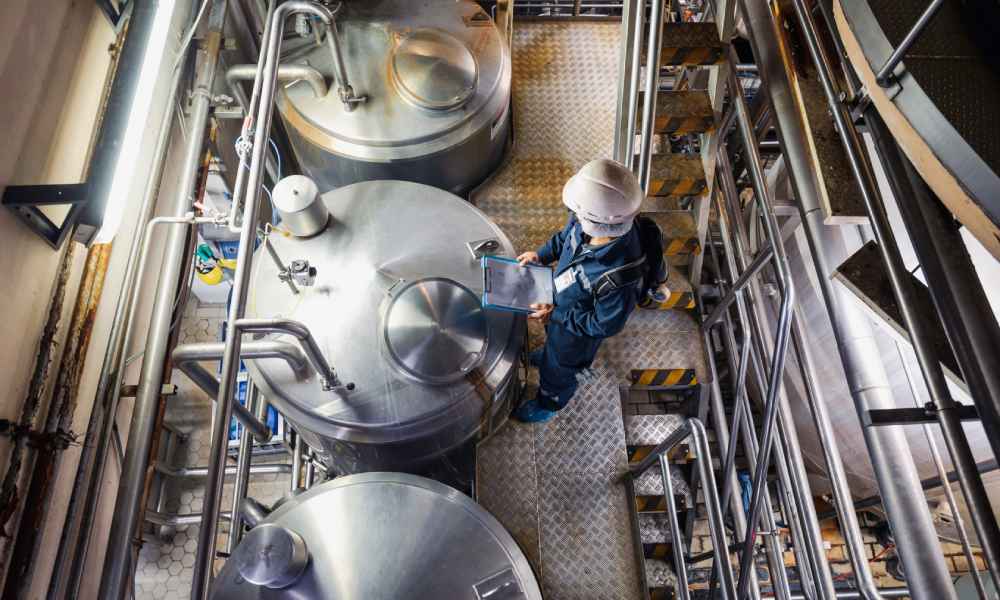
Lined chemical storage tanks protect equipment, reduce leak risks, and help facilities manage corrosive materials with more control. Strong maintenance practices keep those systems reliable and lower the chance of unplanned shutdowns, product loss, and safety violations. Follow these best practices for maintaining lined chemical storage tanks to keep your facility running smoothly.
A maintenance program should start with routine inspections and clear schedules. Facility managers need documented checks for the tank shell, liner seams, fittings, vents, valves, and level indicators so small issues do not grow into expensive failures.
Complete visual inspections regularly to catch surface wear before it turns into damage. Workers should look for blistering, cracking, discoloration, warping, loose edges, and signs of chemical attack around high-stress points.
Exterior conditions matter just as much as liner condition. Watch for corrosion on surrounding supports, pooling near the base, and damaged containment areas, which can create pressure on the tank system and increase the chance of liner failure.
Cleaning schedules should match the stored chemical, tank use frequency, and contamination risk. Residue buildup can hide liner damage, affect product quality, and create unsafe conditions during transfer or maintenance work.
Cleaning crews need procedures that match the liner material and the chemical environment. Harsh tools or incompatible cleaners can damage the liner surface and shorten service life.
Temperature swings, overfilling, and sudden chemical changes can stress lined tanks faster than normal wear. Operators need to track fill levels, product compatibility, and process temperatures during daily operations.
Facilities also need to confirm that transferred chemicals match the tank’s design limits. This is one reason tank liners support chemical safety in industrial settings with strict containment demands.
Maintenance teams and operators should know what normal liner condition looks like during routine work. Early reporting often prevents minor defects from turning into leaks, shutdowns, or chemical exposure events.
Training should stay simple and job-specific. Teams should know how to report concerns and isolate a tank when needed to minimize issues and promote safety on the site.
Small liner defects need quick evaluation from qualified personnel. Delayed repairs often allow chemicals to reach the substrate, which can cause corrosion, weaken structural integrity, and expand the repair scope.
Temporary fixes should never replace a proper repair plan. Facilities need approved materials and verified repair methods before returning a tank to full service.
Accurate records support safer operations and better planning. Inspection notes, repair dates, cleaning logs, and product change history help teams spot recurring issues and make smarter maintenance decisions.
Good documentation also supports audits and compliance reviews. A complete history shows that the tank system receives regular attention and that known issues get addressed before they become serious.
With these best practices for maintaining lined chemical storage tanks facilities stay safer, liners last longer, and tanks perform more reliably in demanding chemical storage environments. Start training your team to recognize these elements today.
Follow proven professional fence installation practices for accurate placement, lasting strength, and reliable performance from…
Compare natural and lab-grown diamond rings to understand differences in origin, price, appearance, and value…
A concert ticket can be more than a night out. Turn the trip into a…
These essential checks for your jet ski help improve reliability and reduce issues on the…
A reliable pickup truck will help you make the most of pumpkin patch season with…
Learn when a Canada Temporary Resident Permit may help overcome inadmissibility and support necessary travel.…