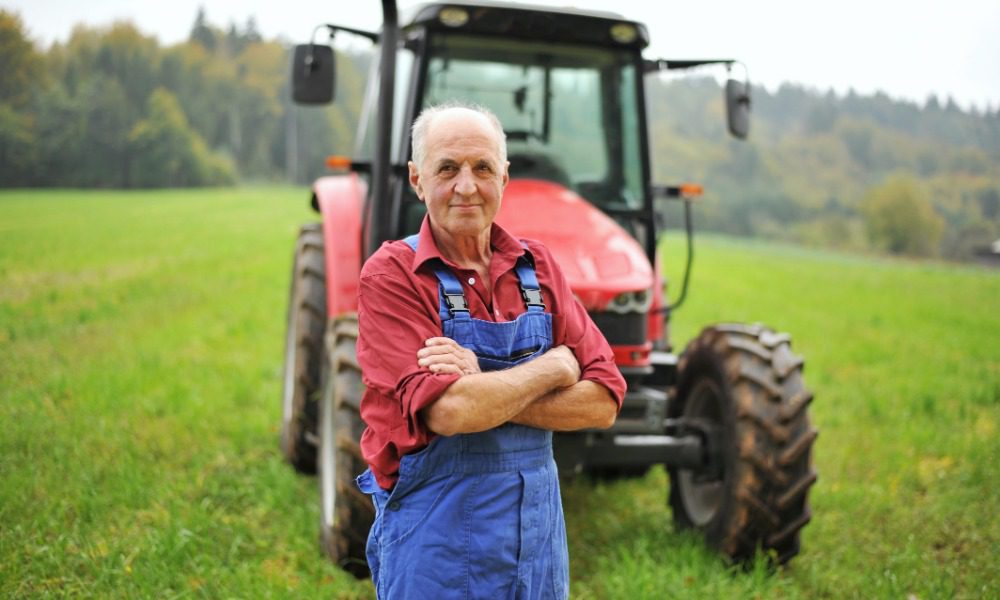
Naturally, farmers need to know how to grow crops and care for livestock. But there are other skills that can set them apart in their day-to-day work. Here are a few every farmer should consider learning how to use.
Equipment breaks down, and it rarely happens at a convenient time. Knowing how to diagnose a problem with a tractor, replace a worn belt, or fix a hydraulic line means you’re not waiting on a technician every time something goes wrong.
You don’t need to become a full mechanic. A working knowledge of your most-used machines goes a long way. Many community colleges offer short agricultural equipment courses, and plenty of manufacturers publish detailed service manuals for their models.
Equipment breaks in the field, and waiting on a repair shop costs you time and money you may not have. Welding is an indispensable skill for a farmer to know. You can use it to weld housing assemblies for farm tools to fix cracked frames, or restore worn-out brackets, and much more. With the right setup, this one skill can keep your operation running through a breakdown that would otherwise shut down your whole workday.
Farming is a business, and the numbers tell you whether it’s working. Tracking expenses, income, and yields by season gives you a picture of where money is going and where you might be losing it.
You don’t need an accounting degree. Spreadsheet software covers most of what a small or mid-size operation needs. The key is consistency; records only show patterns when you keep them regularly.
Your soil tells you what your field needs before your crops do. Farmers who know how to read compaction, drainage, and pH levels can adjust their planting, irrigation, and fertilizer decisions with actual data behind them. Compacted soil, for example, blocks root growth and reduces water absorption, which shows up later as uneven crop development. Soil testing kits are inexpensive, and the information they give you is specific enough to change what you plant and where.
Farms rank among the more hazardous work environments around. Sharp equipment, heavy machinery, chemical exposure, and extreme heat are all part of the job. Knowing how to respond quickly when something goes wrong can reduce the severity of an injury before professional help arrives.
A certified first aid course covers wound care, heat-related illness, and what to do in a chemical exposure situation. If you work with others on your property, it’s worth making sure more than one person has that training.
The most effective farmers aren’t just good at growing things. They understand their equipment, their land, their books, and how to handle what goes wrong. Every skill you learn makes your operation more self-sufficient and less dependent on outside help.
Make transportation easier for people with disabilities with practical tips for accessible vehicles, mobility equipment,…
Does your kitchen still create scraps even after careful meal planning? See where those leftovers…
Preserve cherished memories through thoughtful fabric choices and careful craftsmanship that create a personal keepsake…
Check out all the common mistakes to avoid when buying ink for your tattoo shop…
Protective finishes depend on adhesion, coating chemistry, curing, thickness, and testing to resist wear, corrosion,…
Chemical processing equipment faces corrosion, heat, abrasion, pressure, and wear. See how facilities can protect…