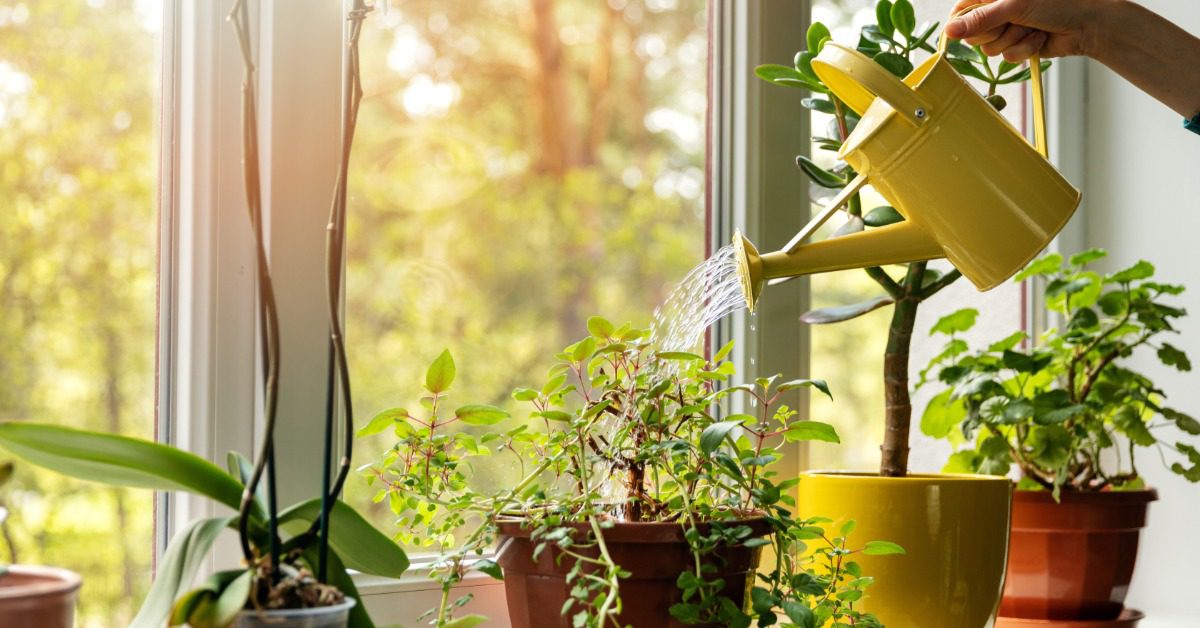
Plants thrive when their environment supports steady development from root to leaf. Understanding the essential environmental factors for healthy plant growth helps gardeners create conditions that encourage stronger plants, better resilience, and consistent performance throughout the growing season.
Light fuels photosynthesis, making it one of the most important elements of plant care. Different species require different light levels, so matching each plant to the correct location improves growth and reduces stress. Indoor growers may supplement natural sunlight with grow lights when needed, while outdoor gardeners should consider seasonal changes that affect daily sun exposure.
Temperature influences how efficiently plants absorb water and nutrients. Sudden swings between hot and cold conditions can slow growth or damage delicate foliage. Stable temperatures allow plants to focus their energy on producing healthy roots and new leaves instead of recovering from environmental stress. Monitoring seasonal conditions also helps gardeners protect sensitive plants from unexpected weather.
Fresh air keeps the growing environment healthier by reducing excess moisture around foliage. Proper circulation also helps strengthen stems over time. Remember that airflow is essential for plant health and growth, especially in greenhouses or indoor growing spaces where stagnant air can create unfavorable conditions. Gentle ventilation encourages balanced development without exposing plants to harsh drafts.
Plants need consistent moisture, but oversaturating the soil often causes more problems than underwatering. Check soil moisture before watering to avoid keeping roots constantly wet. Humidity also plays a role, particularly for tropical varieties that naturally grow in moist environments. Adjusting humidity levels when necessary helps plants maintain healthy foliage and reduces unnecessary stress.
Healthy soil provides physical support while delivering the nutrients plants need to grow. Well-draining soil prevents water from collecting around the roots and allows oxygen to reach them. Adding organic matter improves soil structure while helping it retain appropriate moisture. Testing soil occasionally can also identify nutrient imbalances that may limit plant performance.
Successful gardening depends on more than regular watering or occasional fertilizing. Paying attention to light, temperature, air circulation, humidity, and soil conditions creates an environment where plants can flourish naturally. Small adjustments often produce noticeable improvements over time, making it easier to grow stronger plants with fewer setbacks.
Understanding the essential environmental factors for healthy plant growth allows gardeners to make informed decisions throughout every stage of the growing process. By creating a stable environment that supports each plant’s needs, you can encourage vigorous growth, healthier foliage, and a more productive garden year after year.
Improve your workspace with office renovation ideas that support employee comfort, boost morale, and create…
Make transportation easier for people with disabilities with practical tips for accessible vehicles, mobility equipment,…
Does your kitchen still create scraps even after careful meal planning? See where those leftovers…
Preserve cherished memories through thoughtful fabric choices and careful craftsmanship that create a personal keepsake…
Check out all the common mistakes to avoid when buying ink for your tattoo shop…
Protective finishes depend on adhesion, coating chemistry, curing, thickness, and testing to resist wear, corrosion,…