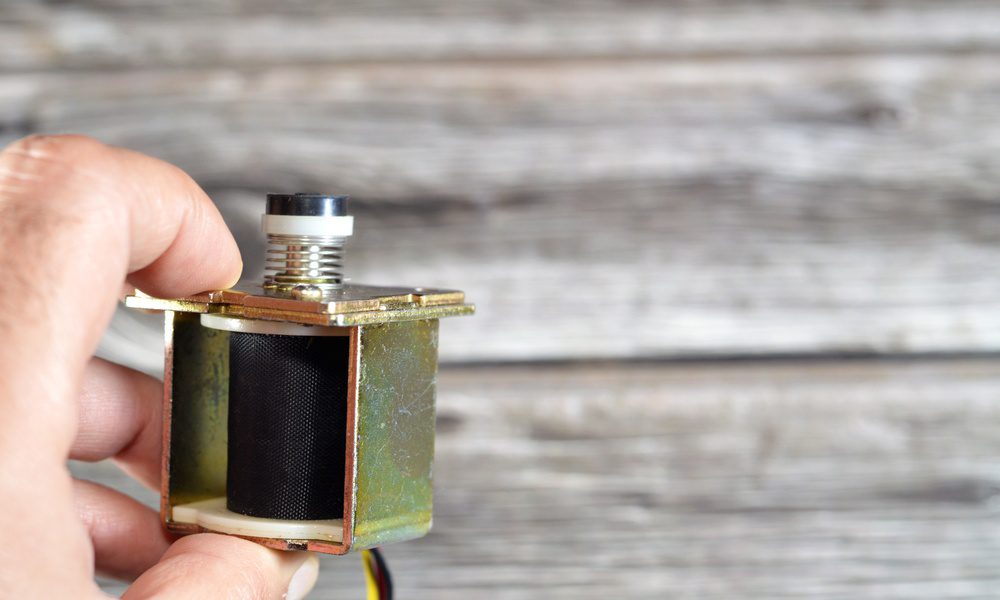
Solenoid valves play a quiet yet important role in many machines. They open and close quickly, help control flow, and support smooth operation in equipment people use every day. When one stops working as expected, the problem often appears mechanical at first, but the real cause may be electrical.
Electrical issues can subtly disrupt performance. A valve may respond slowly, stick, buzz louder than normal, or fail to actuate at all. When teams know which electrical problems affect solenoid valve performance, they can troubleshoot faster and avoid longer shutdowns.
Incorrect voltage is one of the most common reasons a solenoid valve fails. If the coil receives too little voltage, it may not generate enough magnetic force to move the plunger fully. That can lead to weak cycling, delayed response, or complete failure.
Too much voltage can cause problems as well. Excess voltage can overheat the coil, shorten its lifespan, and damage internal components. Matching the power supply to the valve’s rated voltage helps maintain steady performance and prevents unnecessary wear.
A loose wire can create an unreliable valve in a hurry. When electrical connections shift, corrode, or weaken over time, the valve may lose power off and on throughout the day. That inconsistency can make the issue harder to diagnose because the valve may seem fine one moment and fail the next.
Technicians should inspect terminals, connectors, and wiring points during routine maintenance. A secure connection supports stable performance and reduces the likelihood of intermittent faults that waste time during troubleshooting.
The coil acts as the heart of the solenoid valve’s electrical function. If it burns out or starts breaking down, the valve won’t operate the way it should. Heat, power surges, moisture, and age can all damage the coil.
In many applications, solenoid valves are great to use in automated systems because they react quickly and support precise control. Still, that performance depends on a healthy coil. If a valve starts humming, overheating, or failing to shift, the coil deserves a close look.
An unstable power supply can cause performance problems throughout an entire system. When voltage drops or spikes during operation, valves may chatter, open inconsistently, or stop responding under load. These fluctuations can stem from overloaded circuits, weak power sources, or equipment that draws uneven current.
A steady electrical supply gives the valve the power it needs to operate with confidence. If several valves start showing similar issues at once, the larger power system may need inspection rather than the valves alone.
Sometimes the valve itself isn’t the problem. A mismatched relay, incorrect controller output, or incompatible coil rating can interfere with operation. Even a properly installed valve can underperform if the rest of the electrical setup doesn’t support it.
That’s why component matching plays such a big role in system reliability. When installers pair the right valve with the correct voltage, signal type, and control hardware, the equipment runs more smoothly and is easier to maintain.
Electrical problems can turn a dependable solenoid valve into a frustrating weak point. Low voltage, loose wiring, coil damage, unstable power, and mismatched components can all affect how the valve performs. These issues may look small at first, but they can disrupt the whole system when ignored.
A careful electrical check often reveals the source of the trouble faster than replacing parts at random. When you pay attention to the power behind the valve, you put your system in a better position to run cleanly and consistently.
Follow proven professional fence installation practices for accurate placement, lasting strength, and reliable performance from…
Compare natural and lab-grown diamond rings to understand differences in origin, price, appearance, and value…
A concert ticket can be more than a night out. Turn the trip into a…
These essential checks for your jet ski help improve reliability and reduce issues on the…
A reliable pickup truck will help you make the most of pumpkin patch season with…
Learn when a Canada Temporary Resident Permit may help overcome inadmissibility and support necessary travel.…